
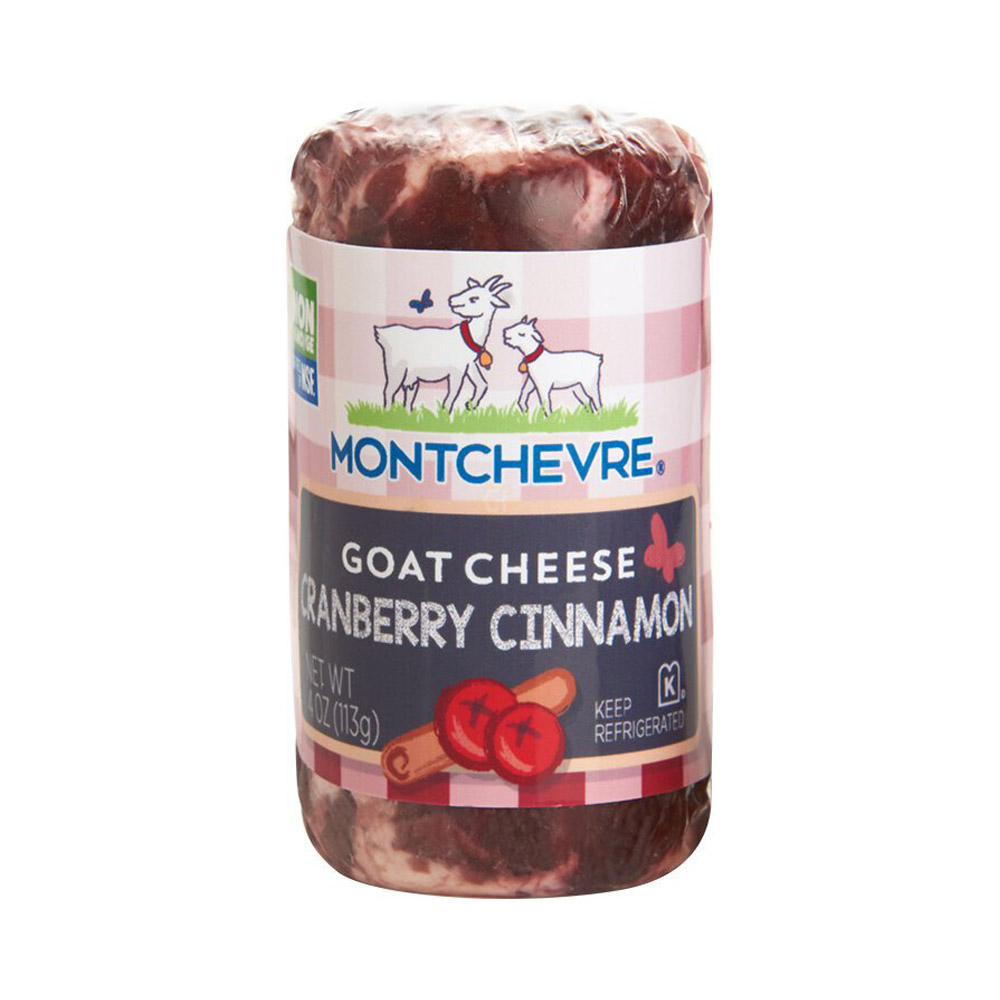


MONTCHEVRE, FRESH GOAT CHEESE, CRANBERRY CINNAMON
Analysis updated August 2026 · How Scout scores
At a glance
Summary
This goat cheese product contains high-quality ingredients like pasteurized goat milk and cheese cultures, which are beneficial for protein and nutrient intake. However, the inclusion of sunflower oil, a seed oil high in omega-6 fatty acids, is a concern due to its potential inflammatory effects. The product is moderately processed, which limits its score despite the presence of beneficial ingredients.
Key ingredients 7
Pasteurized goat milkGood
Pasteurized goat milk is a high-quality source of protein and essential nutrients. It is easier to digest than cow's milk for some individuals due to its different protein structure. The pasteurization process ensures safety by eliminating harmful bacteria.
Risks
Some individuals may have allergies or intolerances to goat milk proteins.
Benefits
Rich in calcium, protein, and beneficial fatty acids, supporting bone health and muscle maintenance.
Cheese culturesGood
Cheese cultures are beneficial bacteria used in the fermentation process. They enhance flavor and texture while contributing to gut health. The fermentation process can improve digestibility and nutrient absorption.
Benefits
May support gut health by promoting beneficial gut bacteria.
CinnamonGood
Beneficial ingredient — whole-food or functional value in this product class.
Risks
Excessive consumption of cinnamon can lead to liver damage due to coumarin content.
Benefits
Contains antioxidants and may have anti-inflammatory properties.
Sweetened dried cranberriesNeutral
Sweetened dried cranberries provide natural sugars and antioxidants. However, the added sugar can contribute to increased calorie intake. The drying process concentrates the nutrients but also the sugars.
Risks
High sugar content may contribute to increased calorie intake and potential blood sugar spikes.
Benefits
Contains antioxidants like vitamin C and polyphenols, which may support immune health.
SaltNeutral
Salt is used for flavor enhancement and preservation. It is a common ingredient in cheese production. Excessive consumption can lead to health issues such as hypertension.
Risks
High sodium intake can contribute to hypertension and cardiovascular issues.
Benefits
Essential for maintaining fluid balance and nerve function in the body.
Microbial rennetNeutral
Microbial rennet is an enzyme used to coagulate milk in cheese production. It is a vegetarian alternative to animal-derived rennet. It does not significantly impact the nutritional profile of the cheese.
Benefits
Allows for cheese production without animal-derived enzymes, suitable for vegetarians.
Sunflower oilVery Bad
Sunflower oil is a seed oil high in omega-6 fatty acids, which can promote inflammation when consumed in excess. It is often highly processed, which can degrade its nutritional quality. The high omega-6 content can disrupt the omega-3 to omega-6 balance in the diet.
Risks
High omega-6 content may promote inflammation and contribute to chronic diseases when consumed in excess.
Processing
Processed Foods
Get the full breakdown in the Scout appTake Scout shopping
Scan any product to see lab results, healthy alternatives, and your personalized analysis.
Download on theApp Store GET IT ONGoogle Play