
:max_bytes(150000):strip_icc()/ar-trader-joes-best-new-products-june-pancakes-ar-tjs-4x3-cf1d02d83e7744608dfa76d3fdaf1036.jpg)



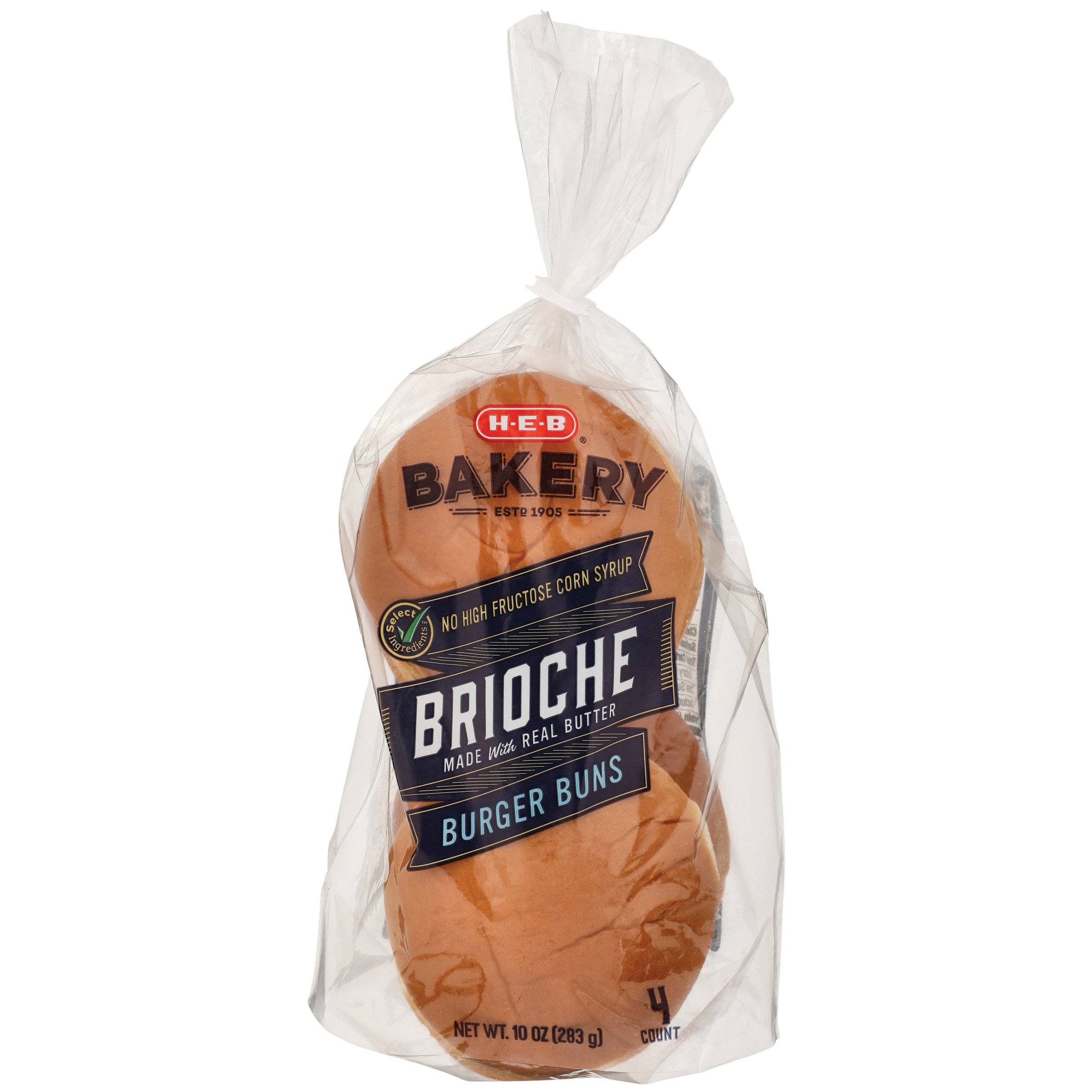
Brioche Buns
Analysis updated September 2026 · How Scout scores
At a glance
Summary
The brioche buns contain beneficial ingredients like eggs, butter, and milk, which contribute to their nutritional profile. However, the presence of refined sugar, canola oil, and invert sugar, along with the use of natural flavoring, raises concerns due to their potential health impacts and the level of processing involved. These factors, combined with the processed nature of the product, influence the overall score.
Key ingredients 13
EggVery Good
Eggs are a high-quality source of protein and essential nutrients. They contain all nine essential amino acids and are rich in vitamins and minerals. Eggs also contribute to the texture and richness of baked goods.
Risks
Potential allergen for some individuals.
Benefits
Rich in protein and essential nutrients, supporting muscle health and overall nutrition.
ButterGood
Butter is a natural fat that adds flavor and richness to baked goods. It contains fat-soluble vitamins and is a source of healthy saturated fats. When used in moderation, it can be part of a balanced diet.
Risks
High in saturated fat, which should be consumed in moderation.
Benefits
Provides rich flavor and contains fat-soluble vitamins like A and D.
MilkGood
Milk is a nutrient-rich liquid providing protein, calcium, and vitamins. It enhances the nutritional profile of baked goods and contributes to texture and flavor. Milk is a valuable source of essential nutrients in the diet.
Risks
Potential allergen for those with lactose intolerance or milk allergies.
Benefits
Rich in calcium and protein, supporting bone health and overall nutrition.
Unbleached Wheat FlourNeutral
Unbleached wheat flour is a staple ingredient in baking, providing structure and texture. It is less processed than bleached flour, retaining more nutrients. However, it is still a refined carbohydrate with limited nutritional benefits.
Risks
May contribute to blood sugar spikes due to its refined nature.
Benefits
Provides essential structure and texture in baked goods.
WaterNeutral
Water is a fundamental ingredient in baking, providing moisture and aiding in the mixing process. It is essential for activating yeast and developing gluten. Water itself does not provide nutritional value.
Benefits
Essential for dough hydration and yeast activation.
Bakers YeastNeutral
Bakers yeast is a leavening agent that helps dough rise by producing carbon dioxide. It is a natural ingredient used in bread-making. While it aids in fermentation, it does not provide significant nutritional benefits.
Benefits
Essential for leavening and flavor development in bread.
Skim MilkNeutral
Standard formulation ingredient — neither beneficial nor harmful at typical use.
Risks
Potential allergen for those with lactose intolerance or milk allergies.
Benefits
Rich in calcium and protein, supporting bone health and muscle function.
SaltNeutral
Salt is used to enhance flavor and control yeast activity in baking. It is a common culinary ingredient but should be consumed in moderation due to its sodium content. While essential for flavor, it does not provide significant nutritional benefits.
Risks
Excessive sodium intake can lead to hypertension and cardiovascular issues.
Benefits
Enhances flavor and helps control yeast fermentation in baking.
Wheat GlutenNeutral
Wheat gluten is a protein that provides elasticity and structure to dough. It is commonly used in bread-making to improve texture. While it enhances the baking process, it may cause issues for those with gluten sensitivities.
Risks
May cause digestive issues for individuals with gluten intolerance or celiac disease.
Benefits
Improves dough elasticity and texture in baked goods.
SugarBad
Refined sugar is a common sweetener that can contribute to excess calorie intake. It provides quick energy but lacks essential nutrients. Overconsumption of sugar is linked to various health issues, including obesity and diabetes.
Risks
May contribute to obesity, diabetes, and dental issues when consumed in excess.
Benefits
Provides sweetness and enhances flavor in baked goods.
Invert SugarBad
Invert sugar is a processed sweetener that is sweeter than regular sugar. It is used to retain moisture and improve texture in baked goods. Like other refined sugars, it provides calories without essential nutrients.
Risks
May contribute to obesity and metabolic issues when consumed in excess.
Benefits
Enhances sweetness and moisture retention in baked goods.
Natural FlavoringBad
Natural flavoring is a vague term that can include a variety of processed flavor compounds. It is used to enhance taste but lacks transparency regarding its composition. The lack of specificity raises concerns about potential additives.
Risks
Lack of transparency may hide unwanted additives or allergens.
Benefits
Enhances flavor without adding calories.
Canola OilVery Bad
Canola oil is a refined seed oil high in omega-6 fatty acids, which can promote inflammation. It is often processed using high heat and chemicals, which may degrade its nutritional quality. Despite being low in saturated fat, its high omega-6 content is a concern.
Risks
High omega-6 content may promote inflammation when consumed in excess.
Benefits
Low in saturated fat, but lacks significant nutritional benefits.
Processing
Processed Foods
Get the full breakdown in the Scout appTake Scout shopping
Scan any product to see lab results, healthy alternatives, and your personalized analysis.
Download on theApp Store GET IT ONGoogle PlayAmazon pricing & content
Amazon price as of . Product prices and availability are accurate as of the date/time indicated and are subject to change. Any price and availability information displayed on Amazon.com at the time of purchase will apply to the purchase of this product.
CERTAIN CONTENT THAT APPEARS ON THIS SITE COMES FROM AMAZON. THIS CONTENT IS PROVIDED “AS IS” AND IS SUBJECT TO CHANGE OR REMOVAL AT ANY TIME.