


At a glance
Summary
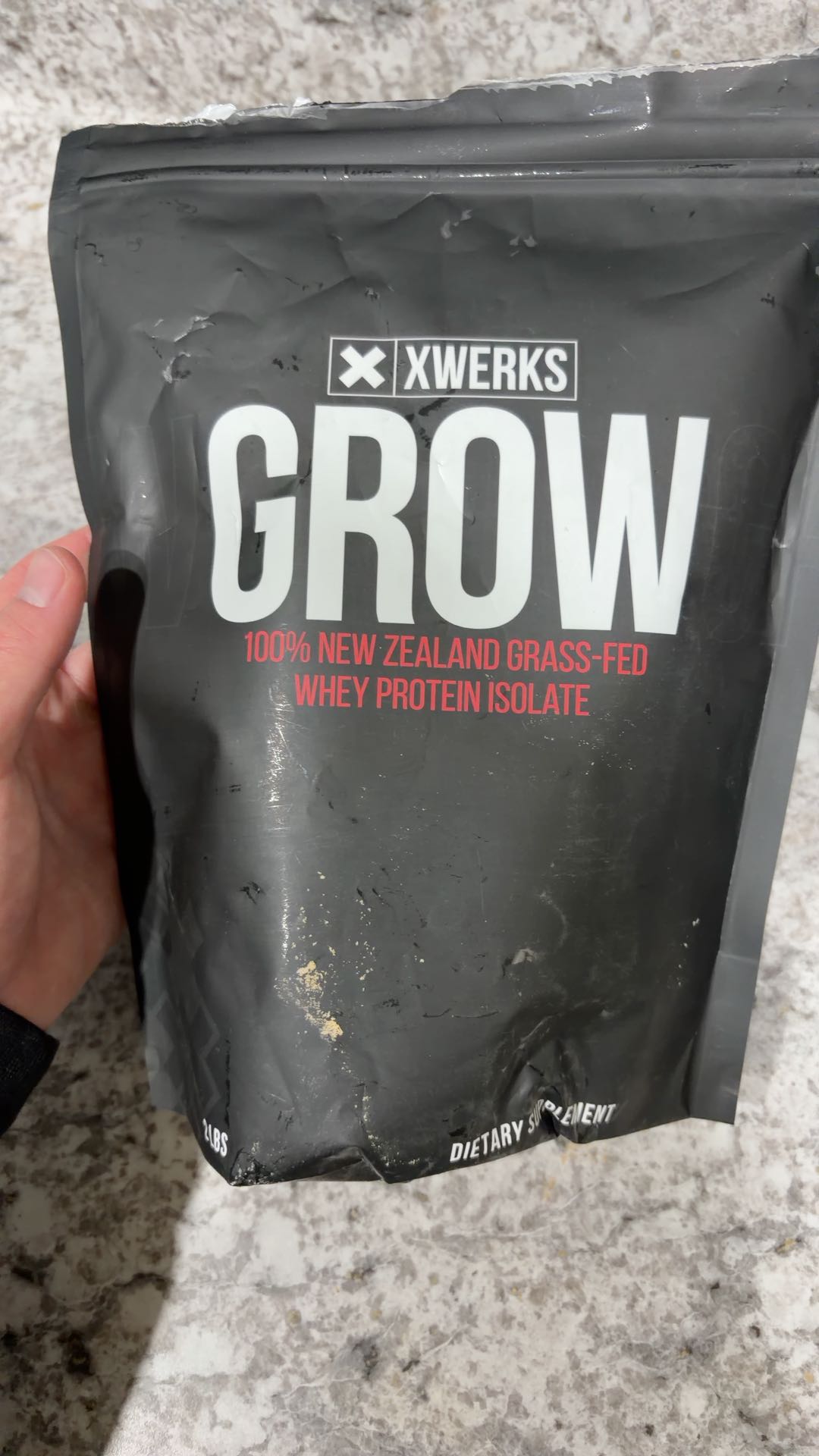
This whey isolate protein powder contains a high-quality protein source, which is beneficial for muscle repair and growth. However, the presence of sucralose, an artificial sweetener, and soy lecithin, a processed emulsifier, slightly detracts from its overall health profile. The use of vague flavoring also raises concerns about ingredient transparency, impacting the product's clean label appeal.
Key ingredients 5
Whey Protein IsolateVery Good
Whey protein isolate is a high-quality protein source with a complete amino acid profile, making it excellent for muscle repair and growth. It is processed to remove most fats and carbohydrates, resulting in a high protein content. Compared to other protein sources, it is rapidly absorbed and highly bioavailable.
Benefits
Rich in essential amino acids and supports muscle recovery and growth.
SaltNeutral
Salt is used to enhance flavor and preserve the product. In moderate amounts, it is generally safe for consumption. However, excessive intake can lead to health issues such as hypertension.
Risks
Excessive consumption may contribute to high blood pressure.
Benefits
Enhances flavor and acts as a preservative.
Soy LecithinBad
Soy lecithin is used as an emulsifier to improve texture and mixability in products. It is derived from soybeans, which may be genetically modified and can contain allergens. While it is not as harmful as seed oils, it is still a processed additive with potential allergenic concerns.
Risks
May contain allergens and is often derived from genetically modified soybeans.
Benefits
Improves texture and mixability of the product.
FlavorBad
The term 'flavor' is vague and can encompass a wide range of artificial and natural additives. Such ingredients are often used to enhance taste but lack transparency, which can be concerning for consumers seeking clean labels. The lack of specificity makes it difficult to assess the health impact accurately.
Risks
Potential for containing artificial additives and allergens without clear labeling.
Benefits
Enhances the taste of the product.
SucraloseBad
Sucralose is an artificial sweetener used to provide sweetness without calories. It is chemically altered to be non-caloric, but concerns exist regarding its impact on gut health and potential metabolic effects. While it is FDA-approved, some studies suggest it may alter gut microbiota.
Risks
May affect gut microbiota and has potential metabolic effects.
Benefits
Provides sweetness without adding calories.
Processing
Processed Foods
Get the full breakdown in the Scout appTake Scout shopping
Scan any product to see lab results, healthy alternatives, and your personalized analysis.
Download on theApp Store GET IT ONGoogle Play