
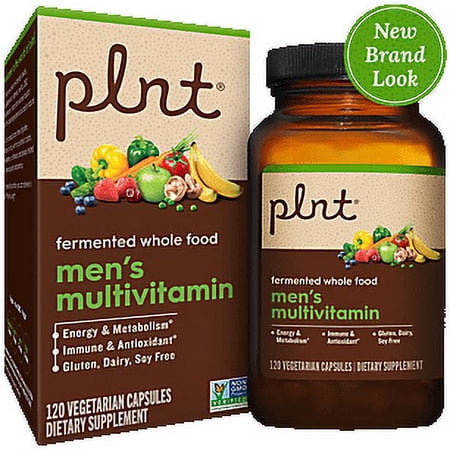

Plnt Fermented Whole Food Men?s Multivitamin (120 Vegetarian Capsules)
At a glance
Summary
This multivitamin features a comprehensive range of essential vitamins and minerals in bioavailable forms, such as Vitamin D3 and beta carotene, which are known for their effectiveness and safety. The formulation is clean, with no artificial additives or harmful ingredients, and it is minimally processed, making it a high-quality choice for supporting overall health and wellness.
Key ingredients 23
Vitamin CVery Good
Vitamin C is a powerful antioxidant that supports immune function and skin health. It is crucial for collagen synthesis and enhances iron absorption from plant-based foods. This vitamin is well-regarded for its role in reducing oxidative stress.
Benefits
Boosts immune function, supports skin health, and enhances iron absorption.
FolateVery Good
Folate, as folic acid, is essential for DNA synthesis and cell division. It is crucial during periods of rapid growth, such as pregnancy and fetal development. This vitamin is important for preventing neural tube defects and supporting overall health.
Benefits
Supports DNA synthesis and prevents neural tube defects.
PotassiumVery Good
Potassium is crucial for maintaining fluid balance, nerve function, and muscle contractions. It helps regulate blood pressure and supports cardiovascular health. This mineral is essential for maintaining overall health and well-being.
Risks
Excessive potassium intake can lead to hyperkalemia, affecting heart function.
Benefits
Supports fluid balance, nerve function, and cardiovascular health.
Vitamin AGood
Vitamin A is essential for maintaining healthy vision, immune function, and skin health. As beta carotene, it is a precursor to vitamin A and is considered safer due to its conversion process in the body. It is a high-quality source of vitamin A with antioxidant properties.
Benefits
Supports vision, immune function, and skin health with antioxidant properties.
Vitamin D3Good
Vitamin D3 is vital for calcium absorption and bone health, and it supports immune function. It is the most bioavailable form of vitamin D, making it highly effective in maintaining adequate vitamin D levels. This vitamin is essential for overall health and well-being.
Benefits
Promotes bone health, supports immune function, and enhances calcium absorption.
Vitamin EGood
Vitamin E acts as an antioxidant, protecting cells from oxidative damage. It supports immune function and skin health. This vitamin is important for maintaining healthy skin and eyes.
Benefits
Protects cells from oxidative damage and supports immune function.
Vitamin K1Good
Vitamin K1 is essential for blood clotting and bone health. It plays a critical role in the synthesis of proteins required for blood coagulation. This vitamin is important for maintaining healthy bones and cardiovascular health.
Benefits
Supports blood clotting and bone health.
ThiaminGood
Thiamin, or vitamin B1, is crucial for energy metabolism and nerve function. It helps convert carbohydrates into energy and is essential for the proper functioning of the heart, muscles, and nervous system. This vitamin is vital for maintaining energy levels and overall health.
Benefits
Supports energy metabolism and nerve function.
RiboflavinGood
Riboflavin, or vitamin B2, is important for energy production and cellular function. It helps break down proteins, fats, and carbohydrates and plays a vital role in maintaining healthy skin and eyes. This vitamin is essential for energy production and overall health.
Benefits
Aids in energy production and supports healthy skin and eyes.
NiacinGood
Niacin, or vitamin B3, supports energy metabolism and DNA repair. It is essential for converting nutrients into energy and maintaining healthy skin and nerves. This vitamin is important for cardiovascular health and energy production.
Benefits
Supports energy metabolism and cardiovascular health.
Vitamin B6Good
Vitamin B6 is crucial for protein metabolism and cognitive development. It supports neurotransmitter synthesis and immune function. This vitamin is essential for brain health and energy metabolism.
Benefits
Supports protein metabolism and cognitive development.
Vitamin B12Good
Vitamin B12 is vital for red blood cell formation and neurological function. It is essential for DNA synthesis and maintaining healthy nerve cells. This vitamin is crucial for energy production and overall health.
Benefits
Supports red blood cell formation and neurological function.
BiotinGood
Biotin, or vitamin B7, supports carbohydrate, fat, and protein metabolism. It is important for maintaining healthy hair, skin, and nails. This vitamin is essential for energy production and overall health.
Benefits
Supports metabolism and maintains healthy hair, skin, and nails.
Pantothenic AcidGood
Pantothenic acid, or vitamin B5, is crucial for synthesizing coenzyme A, which is important for fatty acid metabolism. It supports energy production and the synthesis of hormones and cholesterol. This vitamin is essential for maintaining energy levels and overall health.
Benefits
Supports energy production and fatty acid metabolism.
IronGood
Iron is essential for oxygen transport and energy production. It is a critical component of hemoglobin, which carries oxygen in the blood. This mineral is important for preventing anemia and supporting overall health.
Risks
Excessive iron intake can lead to toxicity and organ damage.
Benefits
Supports oxygen transport and prevents anemia.
IodineGood
Iodine is crucial for thyroid hormone production and metabolic regulation. It is essential for normal growth and development, particularly in the brain. This mineral is important for maintaining healthy thyroid function.
Risks
Excessive iodine intake can lead to thyroid dysfunction.
Benefits
Supports thyroid hormone production and metabolic regulation.
MagnesiumGood
Magnesium is vital for muscle and nerve function, blood glucose control, and bone health. It is involved in over 300 biochemical reactions in the body. This mineral is essential for maintaining energy levels and overall health.
Benefits
Supports muscle and nerve function and bone health.
ZincGood
Zinc is important for immune function, wound healing, and DNA synthesis. It plays a role in cell division and growth. This mineral is essential for maintaining a healthy immune system and overall health.
Risks
Excessive zinc intake can interfere with copper absorption.
Benefits
Supports immune function and wound healing.
SeleniumGood
Selenium is a powerful antioxidant that supports immune function and thyroid health. It plays a role in preventing cellular damage from free radicals. This mineral is important for maintaining overall health and well-being.
Risks
Excessive selenium intake can lead to toxicity and health issues.
Benefits
Supports immune function and acts as an antioxidant.
CopperGood
Copper is essential for iron metabolism, connective tissue formation, and brain function. It plays a role in the production of red blood cells and maintaining healthy bones. This mineral is important for overall health and well-being.
Risks
Excessive copper intake can lead to toxicity and liver damage.
Benefits
Supports iron metabolism and connective tissue formation.
ManganeseGood
Manganese is important for bone formation, blood clotting, and reducing inflammation. It plays a role in carbohydrate and fat metabolism. This mineral is essential for maintaining healthy bones and overall health.
Risks
Excessive manganese intake can lead to neurological issues.
Benefits
Supports bone formation and reduces inflammation.
ChromiumGood
Chromium is important for macronutrient metabolism and blood sugar regulation. It enhances the action of insulin and is involved in carbohydrate, fat, and protein metabolism. This mineral is essential for maintaining healthy blood sugar levels.
Benefits
Supports macronutrient metabolism and blood sugar regulation.
MolybdenumGood
Molybdenum is essential for enzyme function and detoxification processes. It plays a role in the metabolism of sulfur-containing amino acids. This mineral is important for maintaining overall health and well-being.
Benefits
Supports enzyme function and detoxification processes.
Processing
Unprocessed or Minimally Processed Foods
Get the full breakdown in the Scout appTake Scout shopping
Scan any product to see lab results, healthy alternatives, and your personalized analysis.
Download on theApp Store GET IT ONGoogle PlayAmazon pricing & content
Amazon price as of . Product prices and availability are accurate as of the date/time indicated and are subject to change. Any price and availability information displayed on Amazon.com at the time of purchase will apply to the purchase of this product.
CERTAIN CONTENT THAT APPEARS ON THIS SITE COMES FROM AMAZON. THIS CONTENT IS PROVIDED “AS IS” AND IS SUBJECT TO CHANGE OR REMOVAL AT ANY TIME.