
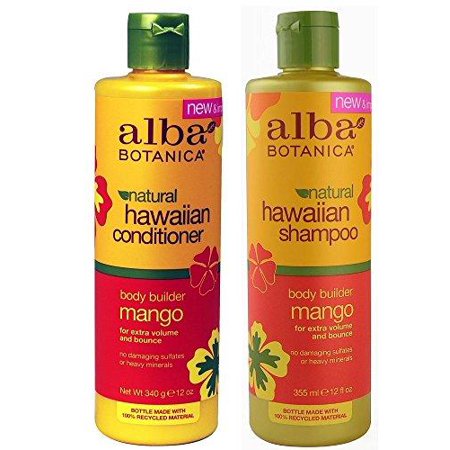


alba botanica natural hawaiian shampoo and conditioner mango 12-ounce bottle
Analysis updated October 2026 · How Scout scores
At a glance
Summary
This shampoo and conditioner contains beneficial ingredients like aloe vera, mango extract, and vitamin C, which provide hydration and antioxidant benefits. However, the presence of alcohol, limonene, and unspecified fragrance can be irritating and potentially harmful to sensitive skin. The product's formulation includes both natural extracts and synthetic components, resulting in a mixed ingredient profile.
Key ingredients 31
Aloe Barbadensis Leaf JuiceVery Good
Aloe vera is known for its soothing and moisturizing properties. It is often used to calm irritated skin.
Risks
Rarely, some individuals may experience allergic reactions.
Benefits
Provides soothing, anti-inflammatory, and moisturizing benefits.
Ascorbic AcidVery Good
Ascorbic acid, or vitamin C, is a powerful antioxidant. It helps brighten the skin and reduce signs of aging.
Risks
Can cause irritation in high concentrations.
Benefits
Improves skin brightness and reduces the appearance of fine lines.
Retinyl PalmitateVery Good
Retinyl palmitate is a form of vitamin A used for its anti-aging benefits. It promotes cell turnover and improves skin texture.
Risks
May cause irritation or sensitivity, especially in sunlight.
Benefits
Enhances skin renewal and reduces the appearance of wrinkles.
TocopherolVery Good
Tocopherol, or vitamin E, is an antioxidant that helps protect the skin from damage. It also has moisturizing properties.
Risks
Generally safe with low risk of irritation.
Benefits
Protects against environmental damage and supports skin hydration.
Linoleic AcidVery Good
Linoleic acid is an essential fatty acid that helps maintain the skin barrier. It is known for its moisturizing and anti-inflammatory properties.
Risks
Generally safe with minimal risk of irritation.
Benefits
Supports skin barrier function and reduces inflammation.
Linolenic AcidVery Good
Linolenic acid is an omega-3 fatty acid with anti-inflammatory and moisturizing benefits. It helps improve skin health.
Risks
Low risk of irritation, generally considered safe.
Benefits
Enhances skin hydration and reduces inflammation.
PanthenolVery Good
Panthenol, or provitamin B5, is a moisturizing agent that helps improve skin hydration. It also has soothing properties.
Risks
Generally safe with minimal risk of irritation.
Benefits
Enhances skin moisture and soothes irritation.
GlycerinGood
Glycerin is a humectant that attracts moisture to the skin. It is widely used in cosmetics for its hydrating properties.
Risks
Generally safe with minimal risk of irritation.
Benefits
Helps maintain skin hydration and improves skin barrier function.
Ananas Sativus (Pineapple) Fruit ExtractGood
Pineapple extract contains bromelain, an enzyme with exfoliating properties. It helps remove dead skin cells.
Risks
May cause mild irritation if used in high concentrations.
Benefits
Promotes gentle exfoliation and brightens the skin.
Carica Papaya (Papaya) Fruit ExtractGood
Papaya extract contains papain, an enzyme that aids in exfoliation. It helps improve skin texture.
Risks
Potential for mild irritation in sensitive skin.
Benefits
Enhances skin smoothness and radiance through gentle exfoliation.
Laminaria Digitata ExtractGood
This seaweed extract is rich in minerals and antioxidants. It is used for its hydrating and anti-aging properties.
Risks
Low risk of irritation, generally considered safe.
Benefits
Provides hydration and helps protect against environmental damage.
Mangifera Indica (Mango) Fruit ExtractGood
Mango extract is rich in vitamins A and C, which are beneficial for skin health. It provides antioxidant protection.
Risks
Minimal risk of irritation.
Benefits
Offers antioxidant benefits and helps improve skin texture.
Zingiber Officinale (Ginger) Root ExtractGood
Ginger root extract is known for its anti-inflammatory and antioxidant properties. It helps soothe and protect the skin.
Risks
May cause mild irritation in sensitive individuals.
Benefits
Reduces inflammation and provides antioxidant protection.
Hydrolyzed Sweet Almond SeedcakeGood
This ingredient is rich in proteins and nutrients beneficial for skin and hair. It provides conditioning and moisturizing effects.
Risks
Low risk of irritation, generally considered safe.
Benefits
Nourishes and strengthens hair and skin.
Water (Aqua)Neutral
Water is a common solvent used in cosmetic formulations. It helps dissolve other ingredients and provides a base for the product.
Risks
There are no significant risks associated with water in cosmetic products.
Benefits
Water hydrates and helps distribute other ingredients evenly.
Sodium Laurylglucosides HydroxypropylsulfonateNeutral
This is a mild surfactant used for its cleansing properties. It is considered less irritating than traditional sulfates.
Risks
May cause mild irritation in sensitive individuals.
Benefits
Provides effective cleansing without the harshness of traditional sulfates.
Cocamidopropyl HydroxysultaineNeutral
A surfactant and foam booster derived from coconut oil. It is used to enhance the texture and feel of the product.
Risks
Can cause mild irritation or allergic reactions in some individuals.
Benefits
Improves the foaming and cleansing properties of the product.
Sodium Cocoyl IsethionateNeutral
A mild surfactant derived from coconut oil, known for its gentle cleansing properties. It is often used in sulfate-free formulations.
Risks
Generally considered safe, but may cause mild irritation in sensitive skin.
Benefits
Provides gentle cleansing and is less likely to strip natural oils from the skin.
Chenopodium Quinoa SeedNeutral
Quinoa seed extract is used for its nutrient-rich profile. It provides vitamins and minerals beneficial for skin health.
Risks
Generally safe with low risk of irritation.
Benefits
Nourishes the skin with essential nutrients.
Citric AcidNeutral
Citric acid is used to adjust the pH of cosmetic products. It also has mild exfoliating properties.
Risks
Can cause irritation in high concentrations.
Benefits
Helps maintain product stability and provides gentle exfoliation.
Dehydroacetic AcidNeutral
Dehydroacetic acid is a preservative used to prevent microbial growth. It is considered safe for use in cosmetics.
Risks
Low risk of irritation or allergic reactions.
Benefits
Extends the shelf life of the product by preventing spoilage.
Guar Hydroxypropyltrimonium ChlorideNeutral
This ingredient is a conditioning agent derived from guar gum. It helps improve the texture and manageability of hair.
Risks
Generally safe with minimal risk of irritation.
Benefits
Enhances hair softness and reduces static.
Sodium ChlorideNeutral
Sodium chloride, or table salt, is used to thicken cosmetic formulations. It also helps cleanse the skin.
Risks
Can be drying in high concentrations.
Benefits
Improves product texture and provides mild exfoliation.
Benzoic AcidNeutral
Benzoic acid is a preservative used to prevent microbial growth. It is considered safe for use in cosmetics.
Risks
Low risk of irritation or allergic reactions.
Benefits
Helps extend the shelf life of the product.
Benzyl AlcoholNeutral
Benzyl alcohol is used as a preservative and solvent in cosmetics. It helps prevent microbial growth.
Risks
Can cause irritation in sensitive skin.
Benefits
Extends product shelf life and enhances ingredient solubility.
PhenoxyethanolNeutral
Phenoxyethanol is a preservative used to prevent microbial growth. It is widely used in cosmetics for its effectiveness.
Risks
May cause irritation in sensitive individuals.
Benefits
Helps maintain product safety by preventing spoilage.
Potassium SorbateNeutral
Potassium sorbate is a preservative used to inhibit mold and yeast growth. It is considered safe for use in cosmetics.
Risks
Low risk of irritation or allergic reactions.
Benefits
Extends the shelf life of the product by preventing microbial growth.
Sodium BenzoateNeutral
Sodium benzoate is a preservative used to prevent microbial growth. It is commonly used in cosmetics and food products.
Risks
Generally safe with minimal risk of irritation.
Benefits
Helps maintain product safety by preventing spoilage.
AlcoholBad
Alcohol is used as a solvent and preservative in cosmetics. It can be drying and irritating to the skin.
Risks
May cause dryness and irritation, especially in sensitive skin.
Benefits
Helps dissolve other ingredients and enhances product absorption.
LimoneneBad
Limonene is a fragrance component that can cause skin irritation and allergic reactions. It is often used for its citrus scent.
Risks
Potential allergen and irritant, especially in sensitive skin.
Benefits
Provides a pleasant citrus fragrance.
Fragrance (Parfum)Bad
Fragrance is a common cause of allergic reactions and skin irritation. It is often a mixture of various chemicals.
Risks
High potential for irritation and allergic reactions.
Benefits
Adds a pleasant scent to the product.
Get the full breakdown in the Scout appTake Scout shopping
Scan any product to see lab results, healthy alternatives, and your personalized analysis.
Download on theApp Store GET IT ONGoogle PlayAmazon pricing & content
Amazon price as of . Product prices and availability are accurate as of the date/time indicated and are subject to change. Any price and availability information displayed on Amazon.com at the time of purchase will apply to the purchase of this product.
CERTAIN CONTENT THAT APPEARS ON THIS SITE COMES FROM AMAZON. THIS CONTENT IS PROVIDED “AS IS” AND IS SUBJECT TO CHANGE OR REMOVAL AT ANY TIME.