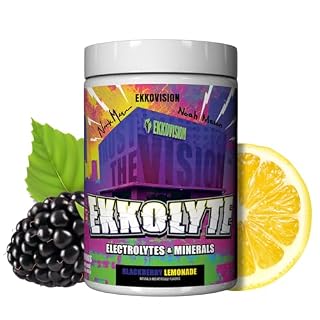
Vidrate

At a glance
Summary
This electrolyte supplement features high-quality ingredients such as fructooligosaccharides, sodium chloride, and potassium chloride, which support gut health and electrolyte balance. The use of natural flavorings is a minor concern due to lack of transparency, but the product avoids artificial sweeteners and dyes, maintaining a clean label. The inclusion of beneficial vitamins like ascorbic acid and vitamin B12 further enhances its nutritional profile.
Key ingredients 10
FructooligosaccharidesGood
Fructooligosaccharides are prebiotic fibers that support gut health by promoting the growth of beneficial bacteria. They are derived from sugar beet and are minimally processed, making them a high-quality ingredient. Their inclusion can enhance digestive health and improve nutrient absorption.
Risks
Excessive consumption may cause digestive discomfort such as bloating or gas.
Benefits
Supports gut health and improves digestion by promoting beneficial gut bacteria.
Ascorbic AcidGood
Ascorbic acid, also known as vitamin C, is an antioxidant that supports immune function and skin health. It is a high-quality vitamin that is essential for collagen synthesis and protecting cells from oxidative stress. Its inclusion boosts the nutritional profile of the product.
Risks
High doses may cause gastrointestinal discomfort.
Benefits
Boosts immune function and supports skin health through its antioxidant properties.
Vitamin B12Good
Vitamin B12 (methylcobalamin) is essential for nerve function and red blood cell formation. It is a high-quality form of B12 that is easily absorbed by the body. Its inclusion supports energy metabolism and neurological health.
Benefits
Supports energy metabolism and neurological health, essential for overall well-being.
Citric AcidNeutral
Citric acid is a natural acid found in citrus fruits, used as a flavoring and preservative. It is generally recognized as safe and is commonly used in food products. It helps enhance flavor and preserve freshness without significant health concerns.
Benefits
Enhances flavor and acts as a preservative to maintain product freshness.
DL Malic AcidNeutral
DL Malic acid is a synthetic form of malic acid used to enhance flavor and acidity in foods. It is generally recognized as safe and is commonly used in food products. It provides a tart flavor without significant health concerns.
Benefits
Enhances flavor by providing a tart taste and helps balance acidity.
Natural ColourNeutral
Natural colour from red beetroot is used to provide color without synthetic dyes. It is derived from natural sources and is minimally processed. This ingredient is generally considered safe and preferable to artificial colorants.
Benefits
Provides natural coloring without synthetic additives.
SweetenerNeutral
Steviol glycosides from stevia are natural sweeteners that provide sweetness without calories. They are derived from the stevia plant and are minimally processed. This ingredient is a healthier alternative to artificial sweeteners.
Benefits
Provides sweetness without added calories, making it suitable for calorie-conscious consumers.
Sodium ChlorideNeutral
Standard formulation ingredient — neither beneficial nor harmful at typical use.
Risks
Excessive intake can lead to high blood pressure and other cardiovascular issues.
Benefits
Essential for hydration and electrolyte balance, especially during physical exertion.
Potassium ChlorideNeutral
Standard formulation ingredient — neither beneficial nor harmful at typical use.
Risks
Excessive intake can lead to hyperkalemia, which can affect heart function.
Benefits
Supports muscle function and cardiovascular health by maintaining electrolyte balance.
Natural FlavouringsBad
Natural flavourings are often used to enhance taste but can be vague in terms of their exact composition. They are minimally processed but lack transparency, which can be a concern for consumers seeking clean labels. The use of 'natural' does not guarantee the absence of processing or additives.
Risks
Lack of transparency in composition may pose concerns for those with allergies or sensitivities.
Benefits
Provides flavor enhancement without artificial additives.
Processing
Processed Foods
Get the full breakdown in the Scout appTake Scout shopping
Scan any product to see lab results, healthy alternatives, and your personalized analysis.
Are you Vidrate? Fix an error Get the badge Get tested