


At a glance
Summary
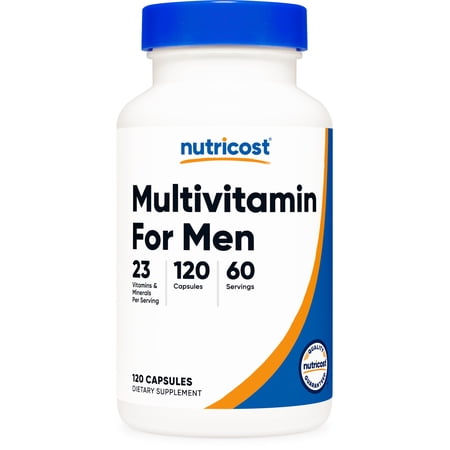
This multivitamin contains a comprehensive range of essential vitamins, including high-quality forms like Vitamin D3 and Vitamin C, which are crucial for immune function and overall health. The formulation is clean, with no harmful additives or artificial ingredients, and the vitamins are present in bioavailable forms, making it a beneficial choice for daily supplementation.
Key ingredients 12
Vitamin CVery Good
Vitamin C is a powerful antioxidant that supports immune function and skin health. It is a high-quality active ingredient in supplements, known for its role in collagen synthesis and enhancing iron absorption. Its presence is crucial for overall health maintenance.
Risks
Excessive Vitamin C intake can lead to gastrointestinal disturbances such as diarrhea.
Benefits
Boosts immune function, supports skin health, and enhances iron absorption.
Vitamin AGood
Vitamin A is essential for maintaining healthy vision, immune function, and skin health. It is a high-quality active ingredient commonly found in supplements. Its inclusion in a multivitamin supports overall health and wellness.
Risks
Excessive intake of Vitamin A can lead to toxicity, causing liver damage and other health issues.
Benefits
Supports vision, immune function, and skin health.
Vitamin D3Good
Vitamin D3 is crucial for calcium absorption and bone health, and it supports immune function. It is a high-quality form of Vitamin D that is more effective than D2. Its presence in supplements is beneficial for maintaining optimal health.
Risks
High doses of Vitamin D3 can lead to hypercalcemia, which can cause nausea and kidney problems.
Benefits
Enhances calcium absorption and supports bone and immune health.
Vitamin EGood
Vitamin E acts as an antioxidant, protecting cells from oxidative damage. It is a beneficial ingredient in supplements for its role in supporting skin health and immune function. Its inclusion helps combat free radicals in the body.
Risks
High doses of Vitamin E can increase the risk of bleeding and hemorrhagic stroke.
Benefits
Protects cells from oxidative damage and supports skin and immune health.
Vitamin K1Good
Vitamin K1 is important for blood clotting and bone health. It is a beneficial component of multivitamins, contributing to cardiovascular and skeletal health. Its role in activating proteins involved in blood coagulation is well-documented.
Benefits
Supports blood clotting and bone health.
Vitamin B1Good
Vitamin B1, or thiamine, is essential for energy metabolism and nerve function. It is a beneficial ingredient in multivitamins, supporting carbohydrate metabolism and neurological health. Its inclusion aids in converting nutrients into energy.
Benefits
Supports energy metabolism and nerve function.
Vitamin B2Good
Vitamin B2, or riboflavin, plays a key role in energy production and cellular function. It is a beneficial component of multivitamins, aiding in the metabolism of fats, drugs, and steroids. Its presence supports overall energy levels and cellular health.
Benefits
Aids in energy production and supports cellular function.
Vitamin B3Good
Vitamin B3, or niacin, is important for DNA repair and energy metabolism. It is a beneficial ingredient in supplements, supporting skin health and reducing cholesterol levels. Its inclusion helps maintain healthy skin and nervous system function.
Risks
High doses of niacin can cause flushing, liver damage, and gastrointestinal issues.
Benefits
Supports DNA repair, energy metabolism, and skin health.
Vitamin B6Good
Vitamin B6 is crucial for amino acid metabolism and neurotransmitter synthesis. It is a beneficial component of multivitamins, supporting brain health and reducing inflammation. Its presence aids in the production of serotonin and norepinephrine.
Risks
Excessive intake of Vitamin B6 can lead to nerve damage and sensory neuropathy.
Benefits
Supports amino acid metabolism and neurotransmitter synthesis.
Vitamin B12Good
Vitamin B12 is vital for red blood cell formation and neurological function. It is a high-quality active ingredient in supplements, preventing anemia and supporting nerve health. Its presence is crucial for maintaining energy levels and cognitive function.
Benefits
Supports red blood cell formation and neurological function.
BiotinGood
Biotin is important for carbohydrate, fat, and protein metabolism. It is a beneficial ingredient in supplements, supporting hair, skin, and nail health. Its inclusion aids in maintaining healthy metabolic processes.
Benefits
Supports metabolism and promotes healthy hair, skin, and nails.
Folic AcidNeutral
Standard formulation ingredient — neither beneficial nor harmful at typical use.
Risks
High doses of folic acid can mask vitamin B12 deficiency symptoms.
Benefits
Supports DNA synthesis, cell division, and fetal development.
Processing
Unprocessed or Minimally Processed Foods
Get the full breakdown in the Scout appTake Scout shopping
Scan any product to see lab results, healthy alternatives, and your personalized analysis.
Download on theApp Store GET IT ONGoogle Play