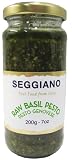
Pesto alla genovese

At a glance
Summary
This pesto contains beneficial ingredients like basil, extra virgin olive oil, and nuts, which provide healthy fats and antioxidants. However, the presence of sunflower oil, a seed oil high in omega-6 fatty acids, and added sugar detracts from its nutritional profile. The product is moderately processed, which limits its score despite some high-quality components.
Key ingredients 14
BasilVery Good
Basil is a fresh herb rich in antioxidants and essential oils that have anti-inflammatory properties. It is minimally processed and provides vitamins such as vitamin K and A. Its aromatic compounds may support digestive health.
Benefits
Rich in antioxidants and essential oils that may reduce inflammation and support overall health.
Extra virgin olive oilVery Good
Extra virgin olive oil is a high-quality monounsaturated fat with anti-inflammatory properties. It contains antioxidants that support heart health. Cold-pressed extraction preserves beneficial compounds.
Benefits
Rich in monounsaturated fats that support heart health and provide anti-inflammatory properties. Contains antioxidants like vitamin E and polyphenols that may reduce oxidative stress.
Grana Padano cheeseGood
Grana Padano cheese is a hard cheese rich in calcium and protein, beneficial for bone health. It contains beneficial bacteria from fermentation, which may support gut health. The cheese is aged, enhancing its flavor and digestibility.
Risks
Contains milk and egg lysozyme, which may be allergens for some individuals.
Benefits
Rich in calcium and protein, supporting bone health and providing essential nutrients.
CashewsGood
Cashews are a nutrient-dense nut providing healthy fats, protein, and minerals like magnesium. They are minimally processed and can support heart health due to their monounsaturated fat content. Cashews also contain antioxidants that may reduce oxidative stress.
Risks
May cause allergic reactions in individuals with nut allergies.
Benefits
Rich in healthy fats and minerals, supporting heart health and providing essential nutrients.
Pine nutsGood
Pine nuts are a good source of healthy fats, protein, and essential minerals like magnesium and zinc. They are minimally processed and can support heart health due to their monounsaturated fat content. Pine nuts also contain antioxidants that may reduce oxidative stress.
Risks
May cause allergic reactions in individuals with nut allergies.
Benefits
Rich in healthy fats and essential minerals, supporting heart health and providing essential nutrients.
Pecorino cheeseGood
Pecorino cheese is a hard cheese rich in calcium and protein, beneficial for bone health. It contains beneficial bacteria from fermentation, which may support gut health. The cheese is aged, enhancing its flavor and digestibility.
Risks
Contains milk, which may be an allergen for some individuals.
Benefits
Rich in calcium and protein, supporting bone health and providing essential nutrients.
GarlicGood
Garlic is a flavorful herb with potential health benefits, including antimicrobial and cardiovascular support. It is minimally processed and contains compounds like allicin that may reduce inflammation. Garlic is also known for its potential to support immune function.
Risks
May cause digestive discomfort in some individuals when consumed in large amounts.
Benefits
Contains compounds that support cardiovascular health and may enhance immune function.
Potato flakesNeutral
Potato flakes are a processed form of potatoes, providing carbohydrates and some fiber. They are typically dehydrated and reconstituted, which can affect texture but not significantly alter nutritional content. They serve as a thickening agent in recipes.
Benefits
Provides carbohydrates and some fiber, contributing to energy intake.
SaltNeutral
Salt is a common seasoning that enhances flavor but provides no significant nutritional benefits. It is refined and lacks trace minerals found in unrefined salts. Excessive consumption can lead to health issues like hypertension.
Risks
Excessive intake may contribute to hypertension and cardiovascular issues.
Acidity regulator: lactic acidNeutral
Lactic acid is used as an acidity regulator and is naturally occurring in fermented foods. It helps maintain the product's pH and stability. It is generally recognized as safe and has no significant health concerns.
Benefits
Helps maintain product stability and pH without significant nutritional benefits.
Vegetable fibresNeutral
Vegetable fibers are added to improve texture and provide some dietary fiber. They are minimally processed and contribute to the fiber content of the product. However, they do not significantly alter the nutritional profile.
Benefits
Contributes to dietary fiber intake, supporting digestive health.
SugarBad
Sugar is a refined carbohydrate that can contribute to weight gain and metabolic issues when consumed in excess. It provides empty calories with no essential nutrients. High intake is associated with increased risk of chronic diseases.
Risks
Excessive consumption can lead to weight gain, metabolic syndrome, and increased risk of chronic diseases.
Natural flavouringBad
Natural flavoring is a vague term that can include a variety of processed ingredients. It lacks transparency and may contain additives or solvents used in extraction. Compared to whole food ingredients, it provides no nutritional benefits.
Risks
Lack of transparency may hide potential allergens or additives.
Sunflower oilVery Bad
Sunflower oil is a seed oil high in omega-6 fatty acids, which can promote inflammation. It is often extracted using high heat and chemicals, which may degrade its nutritional quality. Compared to other oils, it lacks beneficial monounsaturated fats.
Risks
High omega-6 content may promote inflammation when consumed in excess.
Processing
Processed Foods
Get the full breakdown in the Scout appTake Scout shopping
Scan any product to see lab results, healthy alternatives, and your personalized analysis.
Are you Ponti? Fix an error Get the badge Get tested