

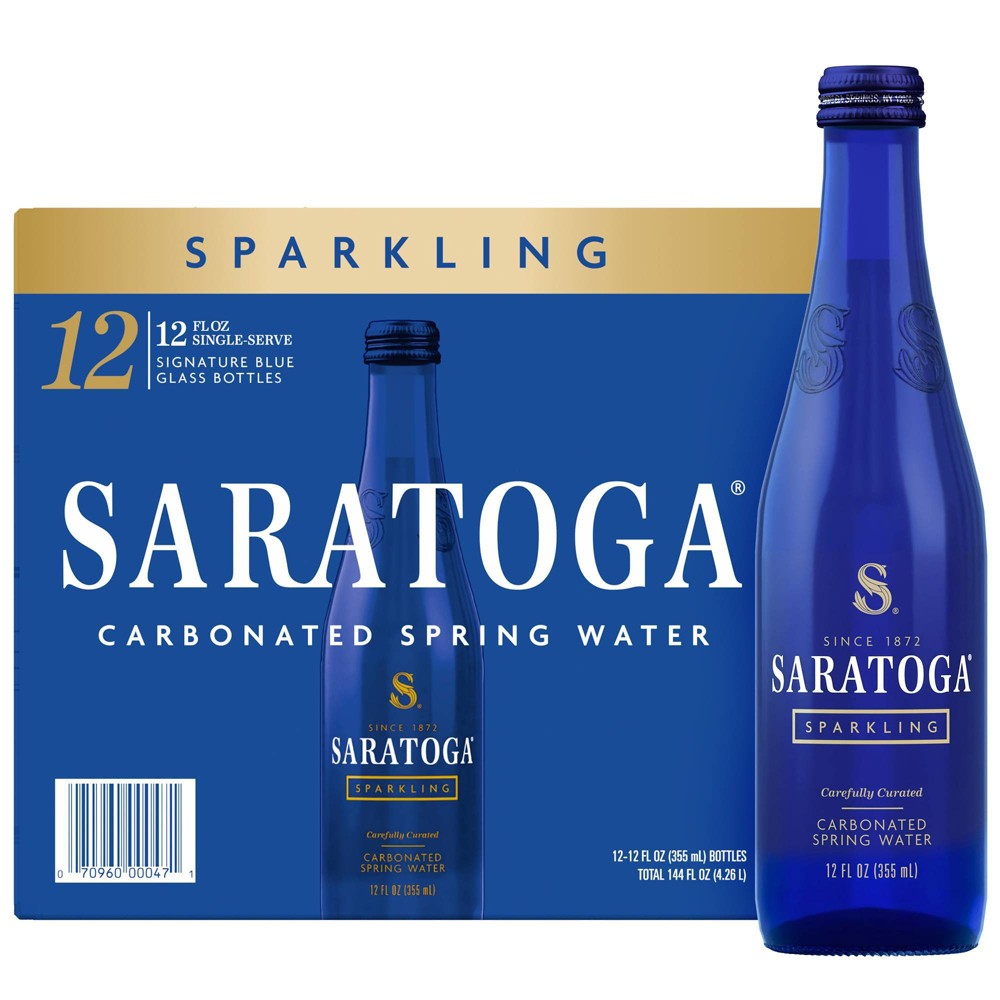

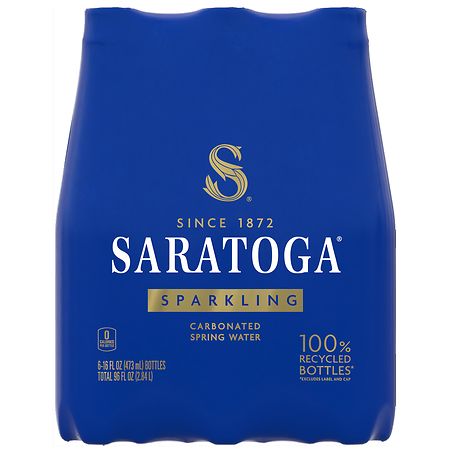

Eau minérale naturelle gazeuse
Analysis updated June 2026 · How Scout scores
At a glance
Summary
This natural sparkling mineral water is minimally processed and contains beneficial minerals such as sulfate, bicarbonate, calcium, and magnesium, which contribute to its nutritional value. The product has a clean label with no harmful additives or contaminants, making it an excellent choice for hydration. Its minimal processing and high-quality mineral content align well with premium hydration standards.
Key ingredients 11
SulfateGood
Sulfate is a naturally occurring mineral that supports digestion and detoxification. It is present in many natural mineral waters and contributes to the overall mineral balance. Sulfate can also aid in the absorption of nutrients.
Benefits
Supports digestion and detoxification processes in the body.
BicarbonateGood
Bicarbonate is beneficial for maintaining pH balance in the body and can help neutralize stomach acid. It is commonly found in mineral waters and contributes to their alkalinity. Bicarbonate can also support metabolic processes.
Benefits
Helps maintain pH balance and supports metabolic processes.
CalciumGood
Calcium is essential for bone health and plays a crucial role in muscle function and nerve signaling. It is a key mineral found in many natural waters, contributing to their nutritional value. Adequate calcium intake is important for preventing osteoporosis.
Benefits
Essential for bone health and muscle function.
MagnesiumGood
Magnesium is vital for numerous biochemical reactions in the body, including energy production and muscle function. It is often found in mineral waters and contributes to their health benefits. Magnesium also supports cardiovascular health.
Benefits
Supports energy production and cardiovascular health.
ChlorideGood
Beneficial ingredient — whole-food or functional value in this product class.
Benefits
Helps maintain fluid balance and is a component of stomach acid.
SodiumNeutral
Sodium is an essential electrolyte that supports nerve function and fluid balance. It is present in small amounts in mineral waters. While necessary, excessive sodium intake can lead to hypertension.
Risks
Excessive sodium intake can lead to hypertension.
Benefits
Supports nerve function and fluid balance.
SilicaNeutral
Silica is a trace mineral that supports connective tissue health and may contribute to skin and hair health. It is found in small amounts in some mineral waters. Silica's role in health is still being studied.
Benefits
May support connective tissue and skin health.
StrontiumNeutral
Strontium is a trace element that can support bone health, similar to calcium. It is naturally present in some mineral waters. Strontium's benefits are primarily observed in bone health contexts.
Benefits
Can support bone health.
NitrateNeutral
Nitrate is a naturally occurring compound that can support cardiovascular health by improving blood flow. It is present in small amounts in mineral waters. Excessive nitrate intake can be harmful, but levels in mineral water are typically safe.
Risks
Excessive nitrate intake can be harmful, but levels in mineral water are typically safe.
Benefits
Can support cardiovascular health by improving blood flow.
PotassiumNeutral
Potassium is an essential electrolyte that supports heart and muscle function. It is found in small amounts in mineral waters. Adequate potassium intake is important for maintaining healthy blood pressure levels.
Benefits
Supports heart and muscle function.
FluorideNeutral
Fluoride is known for its role in dental health, helping to prevent tooth decay. It is present in trace amounts in some mineral waters. While beneficial for teeth, excessive fluoride can lead to dental fluorosis.
Risks
Excessive fluoride can lead to dental fluorosis.
Benefits
Helps prevent tooth decay.
Processing
Unprocessed or Minimally Processed Foods
Get the full breakdown in the Scout appTake Scout shopping
Scan any product to see lab results, healthy alternatives, and your personalized analysis.
Download on theApp Store GET IT ONGoogle Play