

At a glance
Summary
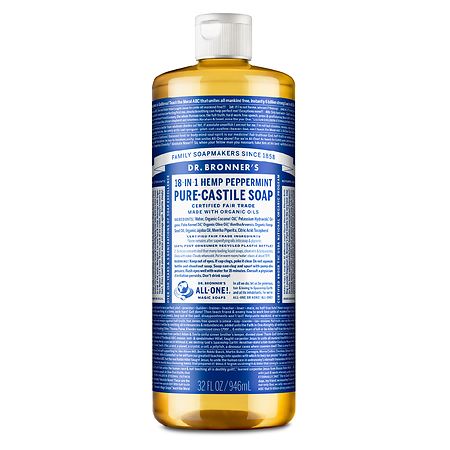
This body wash contains several beneficial ingredients such as glycerin, glyceryl oleate, and tea tree oil, which are known for their moisturizing and antimicrobial properties. However, the presence of phenoxyethanol and undisclosed fragrance can be concerning due to potential skin irritation and allergic reactions. The product avoids harsher surfactants like SLS, but the inclusion of these preservatives and fragrance components affects its overall safety profile.
Key ingredients 31
GlycerinGood
Glycerin is a humectant that attracts moisture to the skin, helping to keep it hydrated. It is a common ingredient in skincare products due to its moisturizing properties. It is generally well-tolerated and beneficial for all skin types.
Risks
There are minimal risks associated with glycerin; it is generally safe for use.
Benefits
Helps to maintain skin hydration and improve skin barrier function.
Glyceryl oleateGood
Glyceryl oleate is an emulsifier and skin-conditioning agent derived from natural oils. It helps to stabilize formulations and improve skin feel. It is considered safe and beneficial for skin health.
Risks
Generally considered safe with minimal risk of irritation.
Benefits
Improves skin softness and helps to maintain moisture balance.
Coco-glucosideGood
Coco-glucoside is a mild, non-ionic surfactant derived from coconut oil and glucose. It is used for its gentle cleansing properties and is suitable for sensitive skin. It is biodegradable and considered environmentally friendly.
Risks
Generally considered safe with minimal risk of irritation.
Benefits
Provides gentle cleansing and is suitable for sensitive skin.
Mentha arvensis leaf oilGood
Mentha arvensis leaf oil, also known as cornmint oil, is used for its cooling and refreshing properties. It contains menthol, which provides a soothing sensation on the skin. It is often used in products for its aromatic and invigorating effects.
Risks
May cause irritation or allergic reactions in sensitive individuals.
Benefits
Provides a cooling sensation and invigorating aroma.
Charcoal powderGood
Charcoal powder is used for its detoxifying and purifying properties. It is known to absorb impurities and excess oil from the skin, making it a popular ingredient in cleansing products. It is generally considered safe and effective for oily and acne-prone skin.
Risks
Overuse may lead to dryness or irritation in some skin types.
Benefits
Helps to purify and detoxify the skin by absorbing impurities.
Zingiber officinale (Ginger) root extractGood
Ginger root extract is known for its antioxidant and anti-inflammatory properties. It can help to soothe the skin and reduce redness. It is often used in skincare products for its potential to improve skin tone and texture.
Risks
Generally considered safe, but may cause irritation in very sensitive skin.
Benefits
Helps to soothe and improve skin tone and texture.
Melaleuca alternifolia (Tea Tree) leaf oilGood
Tea tree oil is renowned for its antimicrobial and anti-inflammatory properties. It is commonly used to treat acne and other skin conditions due to its ability to reduce bacteria and inflammation. It is generally considered safe when used in appropriate concentrations.
Risks
May cause irritation or allergic reactions in sensitive individuals.
Benefits
Helps to reduce bacteria and inflammation, making it effective for acne-prone skin.
Aqua/Water/EauNeutral
Water is a universal solvent and is used as a base in many cosmetic formulations. It helps dissolve other ingredients and provides a medium for them to function. It is generally considered safe and non-reactive.
Risks
There are no significant risks associated with water in cosmetic formulations.
Benefits
Water hydrates the skin and helps in the application of the product.
Sodium coco-sulfateNeutral
Sodium coco-sulfate is a surfactant derived from coconut oil and is used for its cleansing properties. It is considered milder than sodium lauryl sulfate but can still cause irritation in sensitive individuals. It is often used as an alternative to harsher sulfates.
Risks
Potential for skin irritation, especially in sensitive skin types.
Benefits
Provides effective cleansing and foaming properties.
Cocamidopropyl betaineNeutral
Cocamidopropyl betaine is a mild surfactant derived from coconut oil, used to reduce irritation from other surfactants. It is commonly used in personal care products for its foaming and thickening properties. It is generally considered safe but can cause allergic reactions in some individuals.
Risks
May cause allergic reactions or skin irritation in some individuals.
Benefits
Helps to create a rich lather and improve the texture of the product.
Xanthan gumNeutral
Xanthan gum is a natural thickening agent used to stabilize and thicken cosmetic formulations. It is derived from fermented sugars and is considered safe for use in personal care products. It helps to improve the texture and consistency of products.
Risks
There are minimal risks associated with xanthan gum; it is generally safe for use.
Benefits
Improves product texture and stability.
Citrus Limon (Lemon) Peel OilNeutral
Lemon peel oil is used for its refreshing scent and potential astringent properties. It contains natural antioxidants and can help to brighten the skin. However, it may cause photosensitivity if not properly formulated.
Risks
May cause photosensitivity or irritation in some individuals.
Benefits
Provides a refreshing scent and potential brightening effects.
Citrus medica vulgaris peel oilNeutral
Citrus medica vulgaris peel oil is used for its aromatic properties and potential skin benefits. It contains natural antioxidants and can help to refresh the skin. However, like other citrus oils, it may cause photosensitivity.
Risks
May cause photosensitivity or irritation in some individuals.
Benefits
Provides a refreshing aroma and potential antioxidant benefits.
Sodium chlorideNeutral
Sodium chloride, or table salt, is used to thicken and stabilize formulations. It is generally considered safe and non-irritating in cosmetic products. It helps to improve the texture and consistency of products.
Risks
There are minimal risks associated with sodium chloride; it is generally safe for use.
Benefits
Improves product texture and stability.
Benzoic acidNeutral
Benzoic acid is used as a preservative in cosmetic products to prevent microbial growth. It is generally considered safe when used in appropriate concentrations. It helps to extend the shelf life of products.
Risks
May cause irritation in sensitive skin types.
Benefits
Provides effective preservation against microbial growth.
Dehydroacetic acidNeutral
Dehydroacetic acid is a preservative used to inhibit the growth of microorganisms in cosmetic products. It is considered safe and effective for use in personal care products. It helps to maintain product integrity and safety.
Risks
Generally considered safe with minimal risk of irritation.
Benefits
Provides effective preservation against microbial growth.
Sodium phytateNeutral
Sodium phytate is a chelating agent used to stabilize cosmetic formulations by binding metal ions. It is derived from phytic acid and is considered safe for use in personal care products. It helps to improve the stability and efficacy of formulations.
Risks
There are minimal risks associated with sodium phytate; it is generally safe for use.
Benefits
Improves product stability and efficacy.
Citric acidNeutral
Citric acid is used to adjust the pH of cosmetic formulations and as a mild exfoliant. It is generally considered safe and effective for use in personal care products. It helps to maintain the stability and performance of formulations.
Risks
May cause irritation in sensitive skin types.
Benefits
Helps to maintain product stability and improve skin texture.
Linalyl acetateNeutral
Linalyl acetate is a naturally occurring compound found in many essential oils, used for its fragrance. It is generally considered safe but can cause skin irritation or allergic reactions in some individuals.
Risks
May cause skin irritation or allergic reactions.
Benefits
Provides a pleasant floral scent.
Citrus aurantium peel oilNeutral
Citrus aurantium peel oil is used for its aromatic properties and potential skin benefits. It contains natural antioxidants and can help to refresh the skin. However, like other citrus oils, it may cause photosensitivity.
Risks
May cause photosensitivity or irritation in some individuals.
Benefits
Provides a refreshing aroma and potential antioxidant benefits.
EthylhexylglycerinNeutral
Ethylhexylglycerin is used as a preservative and skin-conditioning agent in cosmetic products. It is considered safe and effective for use in personal care products. It helps to enhance the efficacy of other preservatives.
Risks
Generally considered safe with minimal risk of irritation.
Benefits
Enhances preservation and provides skin-conditioning benefits.
MentholNeutral
Menthol is used for its cooling and soothing properties in cosmetic products. It provides a refreshing sensation on the skin and is often used in products for its aromatic effects. It is generally considered safe but can cause irritation in sensitive skin.
Risks
May cause irritation or allergic reactions in sensitive individuals.
Benefits
Provides a cooling sensation and soothing effects.
Hexyl cinnamalNeutral
Hexyl cinnamal is a fragrance ingredient used to impart a floral scent to cosmetic products. It is generally considered safe but can cause skin irritation or allergic reactions in some individuals.
Risks
May cause skin irritation or allergic reactions.
Benefits
Provides a pleasant floral scent.
Sodium hydroxideNeutral
Sodium hydroxide is used to adjust the pH of cosmetic formulations. It is a strong alkaline compound that is generally considered safe when used in appropriate concentrations. It helps to maintain the stability and performance of formulations.
Risks
May cause irritation if used in high concentrations.
Benefits
Helps to maintain product stability and performance.
Sodium lauroyl sarcosinateBad
Processed additive flagged under Scout's ingredient doctrine.
Risks
May cause mild irritation in very sensitive skin types.
Benefits
Provides gentle cleansing without stripping natural oils.
PhenoxyethanolBad
Phenoxyethanol is a preservative used to prevent microbial growth in cosmetic products. While effective, it can cause skin irritation and allergic reactions in some individuals. It is often criticized for its potential to cause adverse reactions, especially in sensitive skin.
Risks
Potential for skin irritation and allergic reactions.
Benefits
Provides effective preservation against microbial growth.
LimoneneBad
Processed additive flagged under Scout's ingredient doctrine.
Risks
May cause skin irritation or allergic reactions.
Benefits
Provides a citrus scent and potential antioxidant benefits.
LinaloolBad
Processed additive flagged under Scout's ingredient doctrine.
Risks
May cause skin irritation or allergic reactions.
Benefits
Provides a pleasant floral scent.
Sodium benzoateBad
Synthetic preservative that can form benzene in the presence of vitamin C.
Risks
May cause irritation in sensitive skin types.
Benefits
Provides effective preservation against microbial growth.
Potassium sorbateBad
Synthetic preservative — flagged in daily-use products.
Risks
Generally considered safe with minimal risk of irritation.
Benefits
Provides effective preservation against microbial growth.
Parfum (Fragrance)Very Bad
Fragrance is used to impart a pleasant scent to cosmetic products. However, it is a common cause of allergic reactions and skin irritation. The exact composition is often undisclosed, leading to concerns about potential allergens and irritants.
Risks
High potential for allergic reactions and skin irritation.
Benefits
Provides a pleasant scent to the product.
Processing
Processed Foods
Get the full breakdown in the Scout appTake Scout shopping
Scan any product to see lab results, healthy alternatives, and your personalized analysis.
Download on theApp Store GET IT ONGoogle Play