

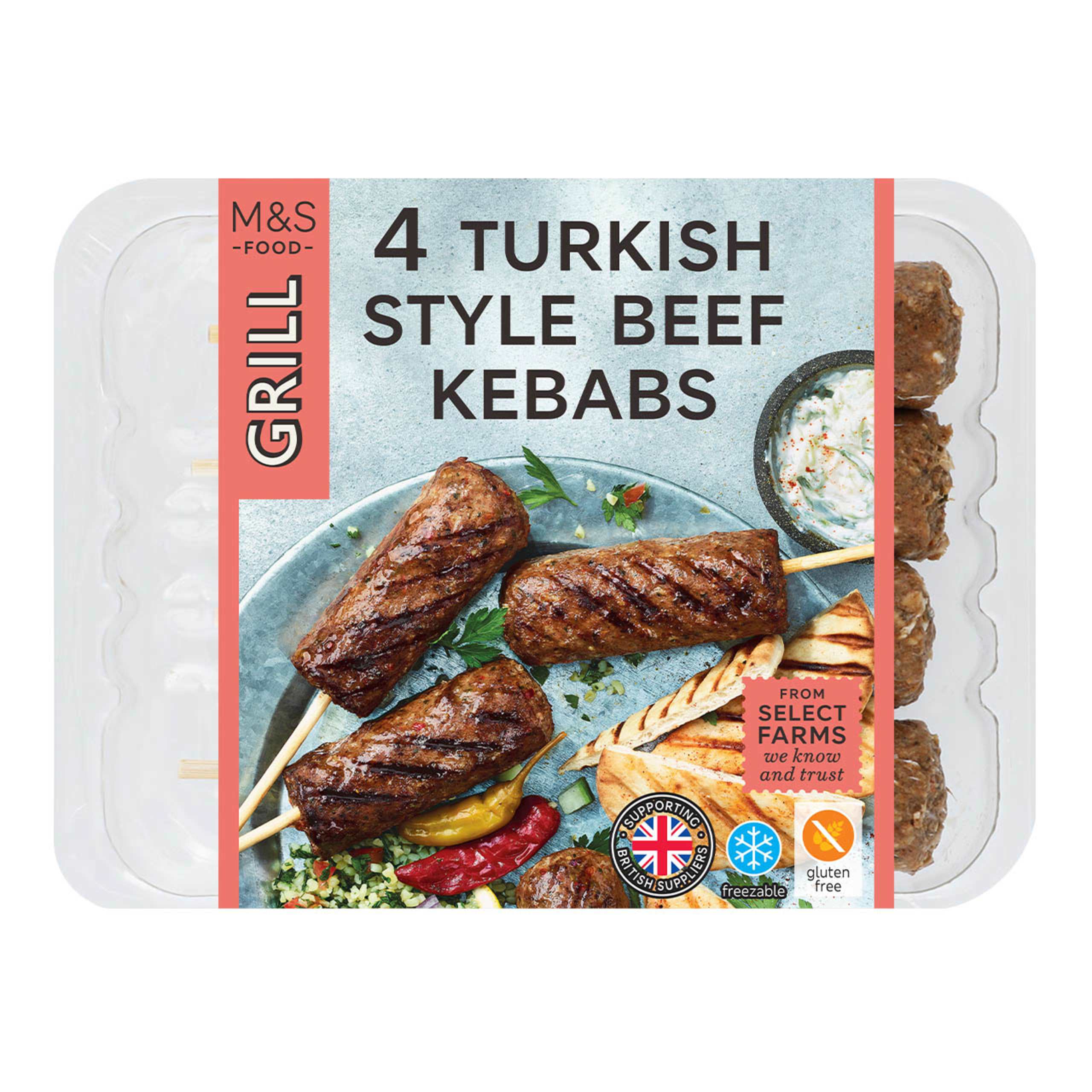


At a glance
Summary
The beef kebabs contain beneficial ingredients like ground beef, onion, egg, and parsley, which provide essential nutrients and protein. However, the product is processed and includes breadcrumbs, which add refined carbohydrates and increase the processing level. The presence of added salt also contributes to a higher sodium content, which can be a concern for cardiovascular health if consumed in excess.
Key ingredients 6
EggVery Good
Eggs are a high-quality source of protein and contain essential nutrients like choline and vitamin D. They provide a complete amino acid profile and are versatile in culinary applications. Whole eggs offer both protein and healthy fats.
Risks
Some individuals may have allergies to eggs, and excessive consumption can contribute to high cholesterol levels.
Benefits
Rich in protein and essential nutrients, supporting muscle health and overall nutrition.
Ground beefGood
Ground beef is a rich source of high-quality protein and essential nutrients like iron and B vitamins. It provides a complete amino acid profile, supporting muscle growth and repair. Choosing lean cuts can help reduce saturated fat intake.
Risks
Excessive consumption of red meat may be linked to increased risk of certain health issues, such as heart disease and colorectal cancer.
Benefits
Provides essential nutrients and high-quality protein that support muscle health and overall nutrition.
OnionGood
Onions are low in calories and rich in antioxidants, particularly quercetin, which has anti-inflammatory properties. They add flavor and nutrients without adding significant calories. Onions also contain prebiotics that support gut health.
Benefits
Rich in antioxidants and prebiotics, supporting immune function and gut health.
ParsleyGood
Parsley is a nutrient-dense herb rich in vitamins A, C, and K, as well as antioxidants. It adds flavor and color to dishes while providing health benefits. Parsley also contains compounds that may support bone health and immune function.
Benefits
Rich in vitamins and antioxidants, supporting overall health and adding flavor.
BreadcrumbsNeutral
Breadcrumbs are used as a binding agent and filler in many recipes. They are typically made from refined wheat flour, which provides carbohydrates but lacks significant nutritional benefits. The presence of sugar and salt in breadcrumbs can contribute to overall intake.
Risks
May contribute to increased carbohydrate and sodium intake, especially if consumed in large quantities.
Benefits
Provides texture and helps bind ingredients together in recipes.
SaltNeutral
Salt is used to enhance flavor and preserve food. While it is essential for maintaining fluid balance and nerve function, excessive intake can lead to health issues such as hypertension. Moderation is key to balancing its benefits and risks.
Risks
Excessive salt intake can contribute to high blood pressure and cardiovascular disease.
Benefits
Essential for fluid balance and nerve function when consumed in moderation.
Processing
Processed Foods
Get the full breakdown in the Scout appTake Scout shopping
Scan any product to see lab results, healthy alternatives, and your personalized analysis.
Download on theApp Store GET IT ONGoogle Play