





At a glance
Summary
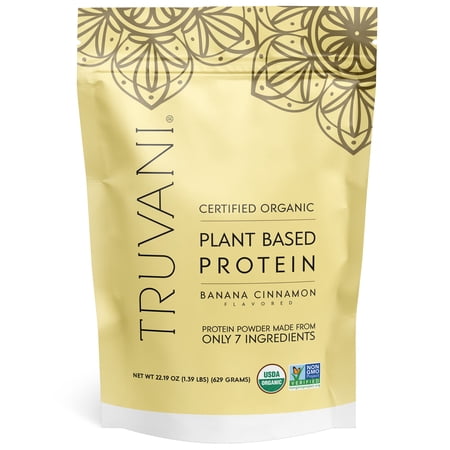
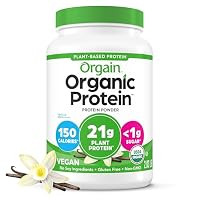
This dairy-free protein shake features high-quality ingredients like organic pea protein and chia seeds, which provide essential nutrients and are minimally processed. However, the inclusion of organic natural flavors, which lack transparency, slightly detracts from the overall formulation. The product is generally clean with a few additives, but the use of organic cane sugar and sunflower oil is balanced by the organic certification, ensuring no synthetic pesticides or GMOs.
Key ingredients 21
Organic Chia SeedsGood
Organic chia seeds are a nutrient-dense whole food rich in omega-3 fatty acids, fiber, and antioxidants. They are minimally processed and provide a range of health benefits, including improved digestion and heart health. The organic certification ensures they are free from synthetic pesticides.
Benefits
High in omega-3 fatty acids and fiber, supporting heart health and digestion.
Organic InulinGood
Organic inulin is a prebiotic fiber that supports gut health by promoting beneficial bacteria growth. It is minimally processed and adds dietary fiber to the product. The organic certification ensures it is free from synthetic pesticides.
Risks
Excessive consumption may cause digestive discomfort in sensitive individuals.
Benefits
Supports digestive health by promoting beneficial gut bacteria.
NiacinamideGood
Vitamin B3 — evidence-backed skin and metabolic benefits.
Risks
Excessive intake may lead to liver damage or skin flushing.
Benefits
Provides niacin, supporting energy metabolism and skin health.
Beta CaroteneGood
Beneficial ingredient — whole-food or functional value in this product class.
Risks
Excessive intake may lead to carotenemia, causing skin discoloration.
Benefits
Provides vitamin A precursor, supporting vision and immune health.
BiotinGood
Beneficial ingredient — whole-food or functional value in this product class.
Benefits
Supports hair, skin, and nail health by providing biotin.
Filtered WaterNeutral
Filtered water is a neutral ingredient primarily used as a solvent and carrier for other ingredients. It does not contribute any nutritional value but is essential for the consistency and hydration of the product. No significant health impacts are associated with its use.
See more about Filtered Water →Organic Pea ProteinNeutral
Standard formulation ingredient — neither beneficial nor harmful at typical use.
Benefits
Rich in essential amino acids and easily digestible, supporting muscle growth and repair.
Organic Rice DextrinNeutral
Organic rice dextrin is a carbohydrate derived from rice, used as a filler and stabilizer. It is minimally processed and provides a source of energy without significant nutritional benefits. Its organic status ensures it is free from synthetic additives.
Benefits
Provides a source of energy, though it offers limited nutritional benefits.
Tripotassium CitrateNeutral
Tripotassium citrate is a potassium salt used to regulate acidity and improve mineral content. It is synthetically derived but generally recognized as safe. It helps maintain electrolyte balance in the body.
Risks
Excessive intake may lead to hyperkalemia, especially in individuals with kidney issues.
Benefits
Helps maintain electrolyte balance and supports metabolic functions.
Tricalcium PhosphateNeutral
Tricalcium phosphate is a calcium salt used to fortify foods with calcium. It is synthetically derived but generally recognized as safe. It supports bone health by providing a source of calcium.
Risks
Excessive intake may lead to hypercalcemia, especially in individuals with kidney issues.
Benefits
Provides a source of calcium, supporting bone health and strength.
Magnesium PhosphateNeutral
Magnesium phosphate is a magnesium salt used to fortify foods with magnesium. It is synthetically derived but generally recognized as safe. It supports muscle and nerve function by providing a source of magnesium.
Risks
Excessive intake may lead to digestive issues or imbalances in mineral levels.
Benefits
Provides a source of magnesium, supporting muscle and nerve function.
Sodium AscorbateNeutral
Sodium ascorbate is a form of vitamin C used to enhance antioxidant content and preserve freshness. It is synthetically derived but generally recognized as safe. It supports immune function and collagen synthesis.
Risks
Excessive intake may lead to digestive discomfort or imbalances in sodium levels.
Benefits
Provides vitamin C, supporting immune health and antioxidant protection.
Zinc GluconateNeutral
Zinc gluconate is a zinc salt used to fortify foods with zinc. It is synthetically derived but generally recognized as safe. It supports immune function and wound healing by providing a source of zinc.
Risks
Excessive intake may lead to zinc toxicity, causing nausea or immune dysfunction.
Benefits
Provides a source of zinc, supporting immune health and wound healing.
D-alpha Tocopheryl AcetateNeutral
D-alpha tocopheryl acetate is a form of vitamin E used to enhance antioxidant content. It is synthetically derived but generally recognized as safe. It supports skin health and protects cells from oxidative damage.
Risks
Excessive intake may lead to bleeding risks or interfere with vitamin K absorption.
Benefits
Provides vitamin E, supporting skin health and antioxidant protection.
Manganese SulfateNeutral
Manganese sulfate is a manganese salt used to fortify foods with manganese. It is synthetically derived but generally recognized as safe. It supports bone health and metabolic functions by providing a source of manganese.
Risks
Excessive intake may lead to neurological issues or imbalances in mineral levels.
Benefits
Provides a source of manganese, supporting bone health and metabolism.
Potassium IodideNeutral
Potassium iodide is a potassium salt used to fortify foods with iodine. It is synthetically derived but generally recognized as safe. It supports thyroid function by providing a source of iodine.
Risks
Excessive intake may lead to thyroid dysfunction or imbalances in iodine levels.
Benefits
Provides iodine, supporting thyroid health and hormone production.
Calcium-d-pantothenateNeutral
Calcium-d-pantothenate is a form of vitamin B5 used to fortify foods with pantothenic acid. It is synthetically derived but generally recognized as safe. It supports energy metabolism and skin health by providing a source of vitamin B5.
Benefits
Provides pantothenic acid, supporting energy metabolism and skin health.
Organic Cane SugarBad
Processed additive flagged under Scout's ingredient doctrine.
Risks
Excessive consumption may contribute to weight gain and metabolic issues.
Benefits
Provides a quick source of energy and is less processed than refined sugars.
Organic Natural FlavorsBad
Organic natural flavors are used to enhance taste but lack transparency regarding their specific composition. They are minimally processed but can mask the true quality of the product. Despite being organic, they are considered a catch-all ingredient with potential unknowns.
Risks
Lack of transparency can lead to potential allergen exposure or sensitivity.
Benefits
Enhances the flavor profile of the product without synthetic additives.
Organic Sunflower LecithinBad
Processed additive flagged under Scout's ingredient doctrine.
Benefits
Improves texture and consistency of the product without synthetic additives.
Organic High Oleic Sunflower OilVery Bad
Heavily flagged ingredient class under Scout's doctrine.
Benefits
Rich in monounsaturated fats, supporting heart health and providing anti-inflammatory properties.
Processing
Unprocessed or Minimally Processed Foods
Get the full breakdown in the Scout appTake Scout shopping
Scan any product to see lab results, healthy alternatives, and your personalized analysis.
Download on theApp Store GET IT ONGoogle Play