


At a glance
Summary
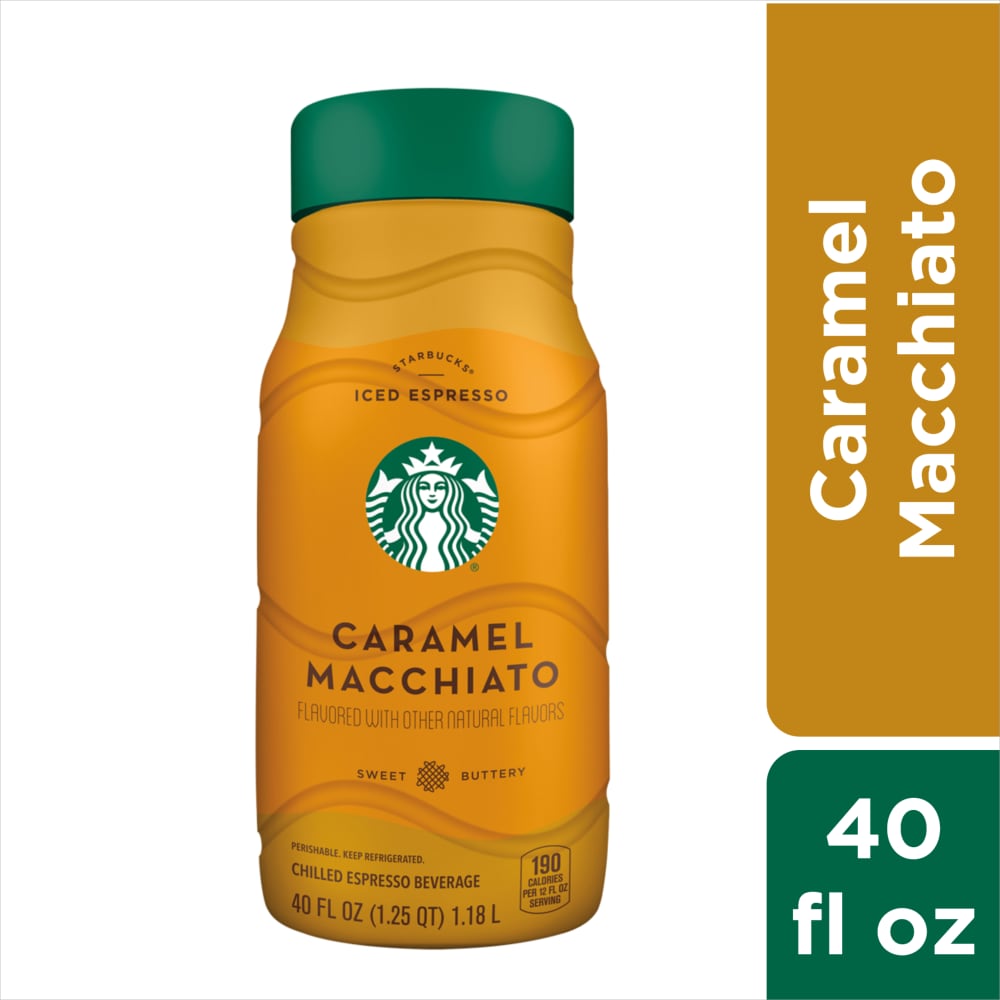
This Vanilla Caramel Iced Latte is ultra-processed, which limits its potential score. It contains a significant amount of added sugar, contributing to health concerns such as obesity and diabetes. Additionally, the use of 'natural flavors' lacks transparency and adds to the processing level, although the presence of brewed coffee provides some beneficial antioxidants.
Key ingredients 9
Brewed CoffeeGood
Brewed coffee is a natural source of antioxidants and can provide a moderate caffeine boost. The antioxidants in coffee may help reduce inflammation and protect against certain diseases. It is minimally processed, retaining most of its natural benefits.
Risks
Excessive consumption of caffeine can lead to insomnia, jitteriness, and increased heart rate.
Benefits
Rich in antioxidants that may help reduce inflammation and improve overall health.
CreamGood
Traditional whole-fat dairy ingredient.
Risks
High in saturated fat, which may contribute to heart disease if consumed in excess.
Benefits
Enhances flavor and texture, providing a creamy mouthfeel.
Skim MilkNeutral
Skim milk is a low-fat dairy option that provides calcium and protein. It is processed to remove fat, which reduces calorie content but retains essential nutrients. It is a common ingredient in beverages for its creamy texture without added fat.
Risks
Some individuals may be lactose intolerant and experience digestive issues.
Benefits
Provides calcium and protein, supporting bone health and muscle maintenance.
Potassium PhosphateNeutral
Potassium phosphate is used as a stabilizer and acidity regulator in beverages. It is generally recognized as safe but provides no significant nutritional benefits. It helps maintain the product's consistency and shelf life.
Risks
Excessive intake may affect kidney function, especially in individuals with kidney disease.
Benefits
Helps stabilize the product and maintain its quality over time.
PectinNeutral
Pectin is a natural thickening agent derived from fruits, used to improve texture. It is a soluble fiber that can aid in digestion and is minimally processed. It is commonly used in food products for its gelling properties.
Benefits
May aid in digestion due to its soluble fiber content.
Sodium CitrateNeutral
Sodium citrate is used as an acidity regulator and emulsifier in food products. It is generally recognized as safe and helps maintain the product's consistency. It is a common additive in beverages to enhance flavor stability.
Benefits
Helps maintain product consistency and enhances flavor stability.
SaltNeutral
Salt is used to enhance flavor and preserve food products. It is minimally processed but should be consumed in moderation to avoid health issues. It is a common ingredient in many food products for its flavor-enhancing properties.
Risks
Excessive salt intake can lead to high blood pressure and cardiovascular issues.
Benefits
Enhances flavor and acts as a preservative.
SugarBad
Sugar is a high-calorie sweetener with no essential nutrients, contributing to excessive calorie intake. It is associated with increased risk of obesity, type 2 diabetes, and heart disease when consumed in excess. The product contains a significant amount of added sugar, which is a concern for health.
Risks
High sugar intake is linked to obesity, type 2 diabetes, and heart disease.
Benefits
Provides quick energy but lacks essential nutrients.
Natural FlavorBad
Natural flavors are often used to enhance taste but lack transparency in their composition. They are highly processed and can contain a variety of chemical compounds. The lack of specific ingredient disclosure is a concern for consumers seeking transparency.
Risks
Lack of transparency in composition may pose concerns for individuals with allergies or sensitivities.
Benefits
Enhances the flavor profile of the product.
Processing
Ultra-Processed Foods
Get the full breakdown in the Scout appTake Scout shopping
Scan any product to see lab results, healthy alternatives, and your personalized analysis.
Download on theApp Store GET IT ONGoogle Play