

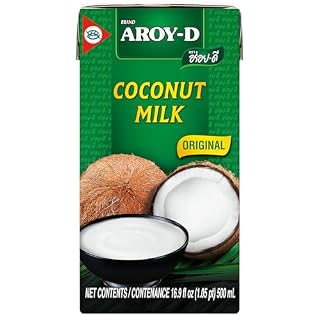


Tapioca Boba Pudding With Coconut Milk Ube Taro
Analysis updated June 2026 · How Scout scores
At a glance
Summary
This pudding contains beneficial ingredients like coconut milk, taro, and ube puree, which provide healthy fats, fiber, and antioxidants. However, the presence of refined cane sugar, a processed ingredient, detracts from its nutritional profile. The product is moderately processed, which limits its score despite the use of mostly natural ingredients.
Key ingredients 7
Coconut MilkGood
Coconut milk is a plant-based milk alternative rich in medium-chain triglycerides (MCTs). It provides a creamy texture and is often used in dairy-free recipes. The MCTs in coconut milk can be easily digested and used for energy.
Risks
High in saturated fats, which may be a concern for individuals with specific dietary restrictions.
Benefits
Contains MCTs that may support metabolism and provide quick energy. Offers a dairy-free alternative for those with lactose intolerance.
TaroGood
Taro is a starchy root vegetable rich in fiber and essential nutrients. It is a good source of vitamins and minerals, including vitamin E, potassium, and magnesium. Taro can support digestive health due to its fiber content.
Risks
Contains oxalates, which may contribute to kidney stones in susceptible individuals if consumed in large amounts.
Benefits
Rich in dietary fiber, which supports digestive health and may help regulate blood sugar levels.
Ube PureeGood
Ube puree is made from purple yam, which is rich in antioxidants and vitamins. It provides a natural source of color and flavor to foods. Ube is known for its high anthocyanin content, which has potential health benefits.
Benefits
Rich in antioxidants that may help reduce inflammation and support overall health.
Sea SaltGood
Sea salt is a minimally processed salt that retains trace minerals. It is often used as a seasoning and preservative in foods. The presence of trace minerals can provide additional nutritional benefits compared to refined table salt.
Risks
Excessive sodium intake can lead to high blood pressure and cardiovascular issues.
Benefits
Provides essential sodium and trace minerals that support electrolyte balance and overall health.
Tapioca PearlsNeutral
Tapioca pearls are made from cassava root starch and are primarily a source of carbohydrates. They are used to add texture to beverages and desserts. Tapioca is gluten-free, making it suitable for those with gluten sensitivities.
Risks
High in carbohydrates with minimal nutritional value, which may contribute to increased blood sugar levels.
Benefits
Provides a gluten-free carbohydrate source that can be used in various culinary applications.
Cane SugarBad
Cane sugar is a refined sugar that provides sweetness but lacks nutritional benefits. Excessive consumption of refined sugars can lead to health issues such as obesity and diabetes. It is often used in processed foods to enhance flavor.
Risks
High intake of refined sugars is linked to increased risk of obesity, type 2 diabetes, and dental cavities.
Benefits
Provides quick energy but should be consumed in moderation to avoid negative health impacts.
Natural FlavorBad
Umbrella term that can hide dozens of undisclosed synthetic constituents.
Risks
Potential for allergic reactions in sensitive individuals due to undisclosed ingredients.
Benefits
Enhances flavor without adding calories or sugar.
Processing
Processed Foods
Get the full breakdown in the Scout appTake Scout shopping
Scan any product to see lab results, healthy alternatives, and your personalized analysis.
Download on theApp Store GET IT ONGoogle PlayAmazon pricing & content
Amazon price as of . Product prices and availability are accurate as of the date/time indicated and are subject to change. Any price and availability information displayed on Amazon.com at the time of purchase will apply to the purchase of this product.
CERTAIN CONTENT THAT APPEARS ON THIS SITE COMES FROM AMAZON. THIS CONTENT IS PROVIDED “AS IS” AND IS SUBJECT TO CHANGE OR REMOVAL AT ANY TIME.