
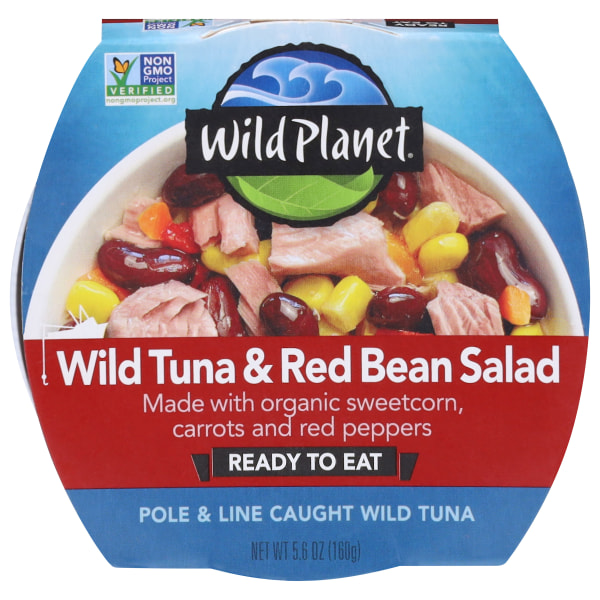


Wild Planet Wild Tuna & Red Bean Salad with Veggies Ready to Eat 5.6 oz Can
Analysis updated September 2026 · How Scout scores
At a glance
Summary
This product contains beneficial ingredients like skipjack tuna, red beans, and organic vegetables, which provide protein, fiber, and essential nutrients. However, the presence of sunflower oil, a seed oil high in omega-6 fatty acids, and the use of natural chili flavor, a processed ingredient, detract from its overall healthiness. The product is moderately processed, which limits its score despite the organic certification of several ingredients.
Key ingredients 11
Skipjack tunaVery Good
Skipjack tuna is a high-quality source of protein and omega-3 fatty acids, which are beneficial for heart health. It is a wild-caught fish, reducing concerns about contaminants often found in farmed fish. The presence of essential nutrients like vitamin D and selenium further enhances its nutritional profile.
Risks
Potential risk of mercury exposure, though skipjack is generally lower in mercury compared to other tuna species.
Benefits
Rich in omega-3 fatty acids that support cardiovascular health and provide anti-inflammatory benefits.
Red beansGood
Red beans are a good source of plant-based protein and dietary fiber, which aid in digestion and satiety. They are rich in essential nutrients like iron, magnesium, and folate. The organic certification indicates minimal pesticide use, enhancing their health benefits.
Benefits
Provide essential nutrients and fiber, supporting digestive health and reducing the risk of chronic diseases.
SweetcornGood
Sweetcorn is a whole grain that provides dietary fiber and essential vitamins like B vitamins and vitamin C. It is organically grown, which reduces exposure to harmful pesticides. The natural sugars in sweetcorn are balanced by its fiber content, making it a healthy carbohydrate source.
Benefits
Offers dietary fiber and essential nutrients, supporting overall health and digestion.
Red pepperGood
Red pepper is rich in vitamins A and C, which are important for immune function and skin health. The organic nature of the ingredient ensures minimal pesticide residue. Its vibrant color indicates a high antioxidant content, which can help reduce oxidative stress.
Benefits
High in antioxidants and vitamins, supporting immune health and reducing inflammation.
CarrotGood
Carrots are an excellent source of beta-carotene, which the body converts into vitamin A, essential for vision and immune health. Being organic, they are less likely to contain harmful pesticide residues. Their natural sweetness and fiber content make them a nutritious addition to the salad.
Benefits
Rich in beta-carotene and fiber, promoting eye health and aiding digestion.
Ground black pepperGood
Ground black pepper is a spice that adds flavor and has potential health benefits due to its antioxidant properties. It contains piperine, which can enhance the absorption of certain nutrients. Its use in moderation can contribute to a flavorful and nutritious dish.
Benefits
Contains antioxidants and piperine, which may enhance nutrient absorption and provide health benefits.
White wine vinegarNeutral
White wine vinegar is used as a flavor enhancer and preservative in foods. It is made through the fermentation of white wine, which can add a subtle acidity to dishes. While it provides flavor, it does not offer significant nutritional benefits.
Benefits
Adds flavor and acts as a natural preservative without significant nutritional impact.
WaterNeutral
Water is used as a solvent and to maintain moisture in the product. It is essential for hydration but does not contribute additional nutrients. Its presence is necessary for the texture and consistency of the salad.
Benefits
Essential for hydration but does not provide additional nutritional benefits.
SaltNeutral
Salt is used to enhance flavor and preserve the product. It is a common ingredient in processed foods but should be consumed in moderation to avoid health issues. While it is necessary for flavor, excessive intake can lead to health concerns.
Risks
Excessive consumption can lead to high blood pressure and other cardiovascular issues.
Benefits
Enhances flavor and acts as a preservative, but should be consumed in moderation.
Natural chili flavorBad
Natural chili flavor is a processed ingredient that may contain additives or carriers. It is used to impart a spicy flavor but lacks the nutritional benefits of whole chili peppers. The term 'natural flavor' can be vague, masking the presence of less desirable components.
Risks
May contain additives or carriers that are not disclosed, leading to potential sensitivities.
Benefits
Provides flavor enhancement but lacks significant nutritional benefits.
Sunflower oilVery Bad
Sunflower oil is a seed oil high in omega-6 fatty acids, which can promote inflammation when consumed in excess. It is often extracted using high heat and chemicals, which can degrade its nutritional quality. Compared to healthier oils like olive oil, it offers fewer health benefits.
Risks
High omega-6 content may promote inflammation and imbalance omega-3 to omega-6 ratio.
Processing
Processed Foods
Get the full breakdown in the Scout appTake Scout shopping
Scan any product to see lab results, healthy alternatives, and your personalized analysis.
Download on theApp Store GET IT ONGoogle PlayAmazon pricing & content
Amazon price as of . Product prices and availability are accurate as of the date/time indicated and are subject to change. Any price and availability information displayed on Amazon.com at the time of purchase will apply to the purchase of this product.
CERTAIN CONTENT THAT APPEARS ON THIS SITE COMES FROM AMAZON. THIS CONTENT IS PROVIDED “AS IS” AND IS SUBJECT TO CHANGE OR REMOVAL AT ANY TIME.