


At a glance
Summary
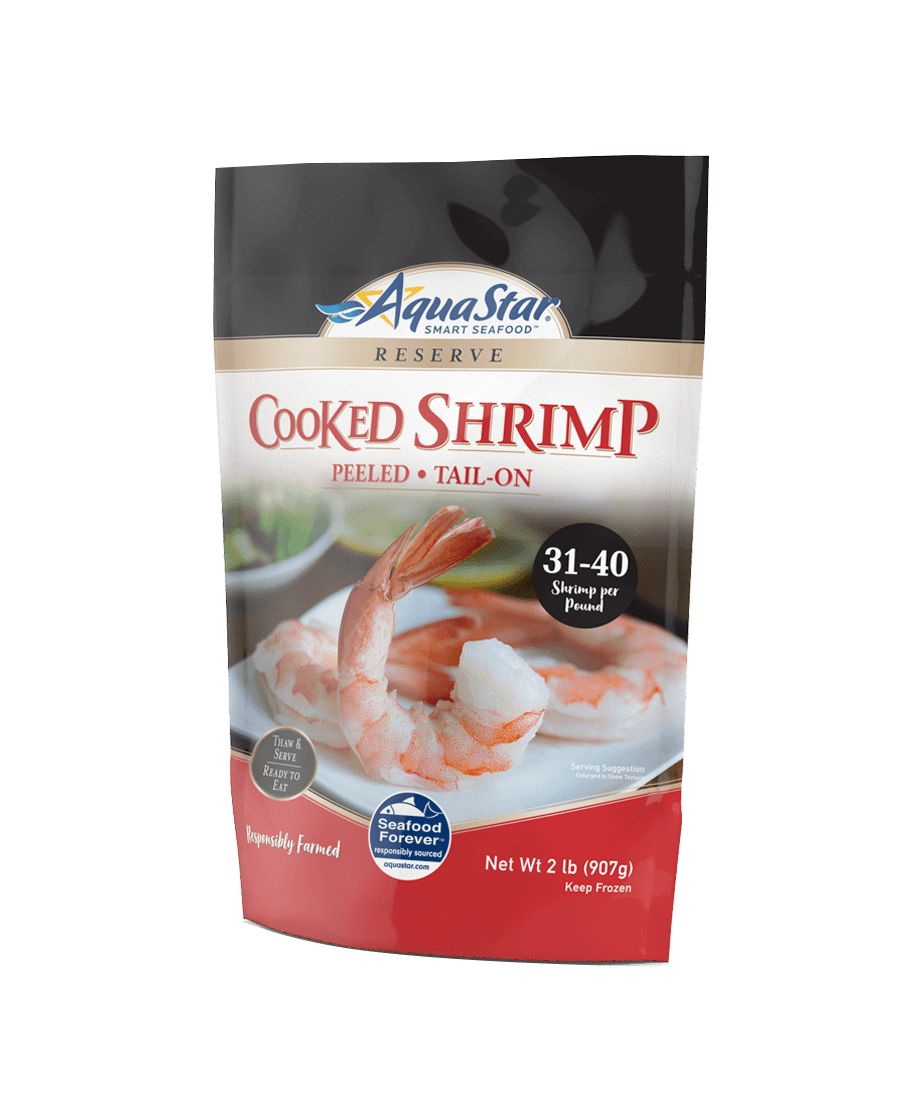
This shrimp product is processed and contains sodium tripolyphosphate, a synthetic additive used to retain moisture, which can increase sodium content and pose health concerns if consumed excessively. While the shrimp itself is a good source of protein, the presence of this additive and the processing level limit its score compared to minimally processed seafood options.
Key ingredients 3
ShrimpNeutral
Shrimp is a good source of protein and essential nutrients like selenium and vitamin B12. It is low in calories and fat, making it a healthy choice for many diets. However, it may contain cholesterol and potential allergens.
Risks
Shrimp can be a common allergen and may contain cholesterol, which could be a concern for some individuals.
Benefits
Shrimp provides high-quality protein and essential nutrients such as selenium and vitamin B12, supporting overall health.
SaltNeutral
Salt is used to enhance flavor and preserve food. It is a common ingredient in processed foods and provides sodium, an essential mineral. However, excessive intake can lead to health issues such as hypertension.
Risks
Excessive salt consumption can contribute to high blood pressure and cardiovascular diseases.
Benefits
Salt provides essential sodium, which is necessary for maintaining fluid balance and nerve function.
Sodium TripolyphosphateBad
Sodium tripolyphosphate is used as a preservative and moisture-retaining agent in seafood. It is a synthetic additive that can increase the sodium content of foods. Overconsumption may lead to health concerns related to high sodium intake.
Risks
May contribute to increased sodium intake, which is associated with hypertension and cardiovascular issues.
Benefits
Helps retain moisture in seafood, improving texture and shelf life.
Processing
Processed Foods
Get the full breakdown in the Scout appTake Scout shopping
Scan any product to see lab results, healthy alternatives, and your personalized analysis.
Download on theApp Store GET IT ONGoogle PlayAmazon pricing & content
CERTAIN CONTENT THAT APPEARS ON THIS SITE COMES FROM AMAZON. THIS CONTENT IS PROVIDED “AS IS” AND IS SUBJECT TO CHANGE OR REMOVAL AT ANY TIME.