
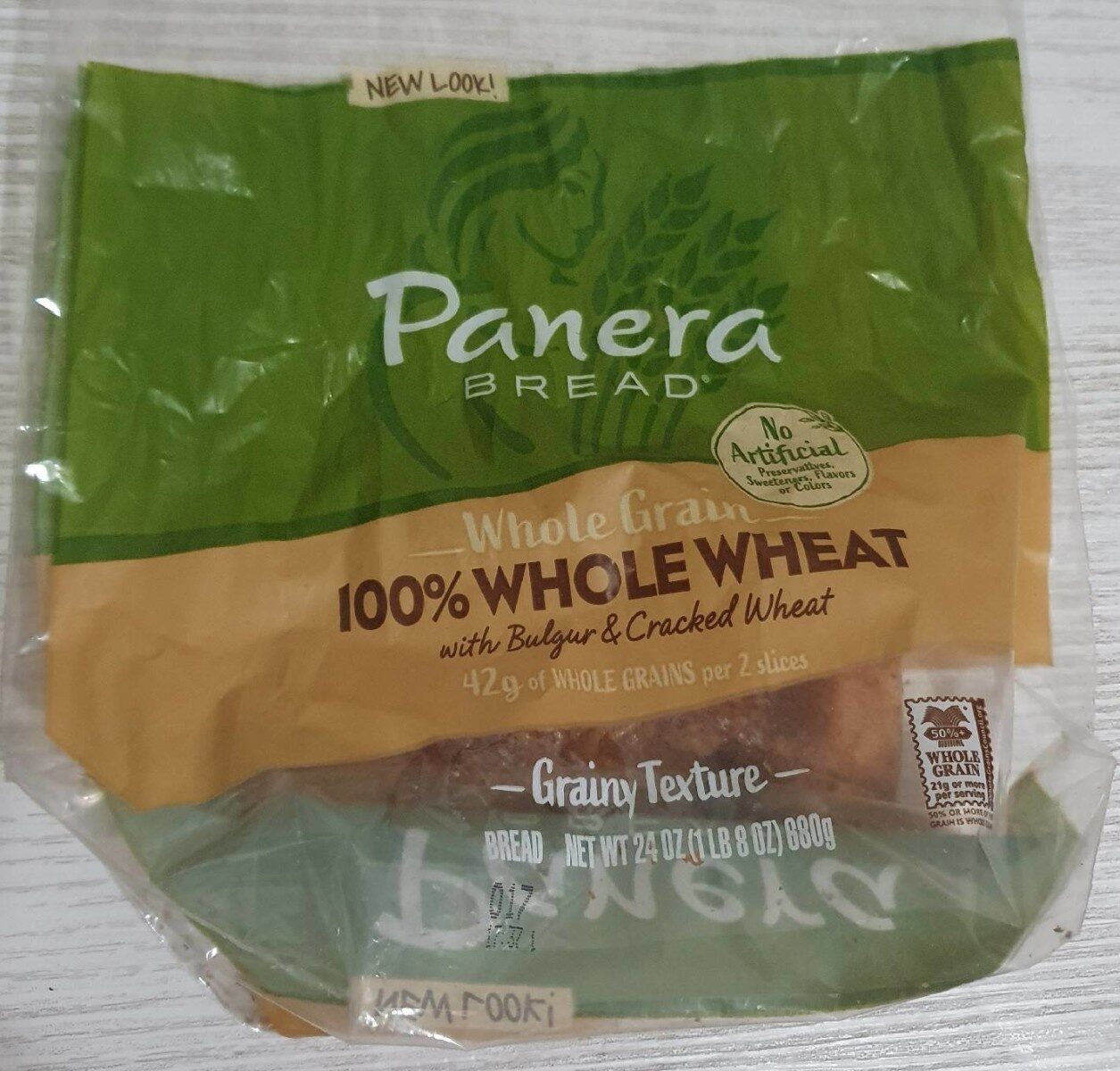



100% Whole Wheat Bread with Bulgur & Cracked Wheat
Analysis updated May 2026 · How Scout scores
At a glance
Summary
This bread contains beneficial whole grain ingredients like whole wheat flour and bulgur wheat, which provide fiber and essential nutrients. However, the presence of canola oil, a highly processed seed oil, and added sugar detracts from its healthiness. Additionally, the product is classified as ultra-processed due to its ingredient complexity and use of additives, which limits its overall score.
Key ingredients 18
Whole Wheat FlourGood
Whole wheat flour is a whole grain ingredient that retains all parts of the grain, providing fiber and essential nutrients. It is less processed compared to refined flour, maintaining more of its natural vitamins and minerals. This ingredient supports digestive health and provides sustained energy.
Benefits
Rich in dietary fiber, which aids in digestion and helps maintain stable blood sugar levels.
Sprouted Wheat FlourGood
Sprouted wheat flour is made from whole grains that have been allowed to germinate, enhancing nutrient availability. The sprouting process increases the bioavailability of vitamins and minerals and may improve digestibility. This ingredient can be beneficial for those seeking more nutrient-dense grain options.
Benefits
Contains increased levels of vitamins and minerals due to the sprouting process, which may enhance nutrient absorption.
Bulgur WheatGood
Bulgur wheat is a whole grain that is partially cooked and then dried, retaining its nutritional profile. It is high in fiber and provides a good source of plant-based protein. This ingredient supports heart health and aids in digestion.
Benefits
High in dietary fiber and plant-based protein, contributing to heart health and digestive wellness.
Cracked Whole WheatGood
Cracked whole wheat is a minimally processed whole grain that retains its nutritional profile. It provides fiber and essential nutrients, supporting digestive health and providing sustained energy. This ingredient is beneficial for maintaining a balanced diet.
Benefits
Rich in dietary fiber and essential nutrients, supporting digestive health and energy levels.
Wheat BranGood
Wheat bran is the outer layer of the wheat kernel, rich in fiber and essential nutrients. It supports digestive health and can help regulate blood sugar levels. This ingredient is beneficial for those seeking to increase their fiber intake.
Benefits
High in dietary fiber, which aids in digestion and helps maintain stable blood sugar levels.
Ascorbic AcidGood
Vitamin C — beneficial even when serving as a preservative.
Benefits
Acts as an antioxidant and dough conditioner, improving bread texture and volume.
YeastNeutral
Yeast is a microorganism used in baking to leaven bread, contributing to texture and flavor. It is a natural ingredient that does not pose significant health risks. Yeast fermentation can also enhance the bioavailability of certain nutrients.
Benefits
Contributes to the leavening and flavor of bread, enhancing texture and palatability.
SaltNeutral
Salt is used to enhance flavor and preserve food, but excessive intake can lead to health issues. It is important to consume in moderation to avoid potential negative health impacts. In bread, it also helps control yeast fermentation.
Risks
Excessive consumption can lead to high blood pressure and cardiovascular issues.
Benefits
Enhances flavor and helps control yeast activity in bread making.
Cultured Whole Wheat FlourNeutral
Cultured whole wheat flour is whole wheat flour that has undergone fermentation, which can enhance flavor and nutrient availability. It is a natural ingredient that does not pose significant health risks. Fermentation may also improve digestibility.
Benefits
Fermentation can enhance flavor and nutrient availability, potentially improving digestibility.
Wheat FlakesNeutral
Wheat flakes are made from whole wheat grains that are steamed and flattened, retaining their nutritional profile. They provide fiber and essential nutrients, supporting overall health. This ingredient is a natural source of whole grains.
Benefits
Provides dietary fiber and essential nutrients, supporting overall health.
Fermented Rye FlourNeutral
Fermented rye flour is rye flour that has undergone fermentation, which can enhance flavor and nutrient availability. It is a natural ingredient that does not pose significant health risks. Fermentation may also improve digestibility.
Benefits
Fermentation can enhance flavor and nutrient availability, potentially improving digestibility.
VinegarNeutral
Vinegar is used as a natural preservative and flavor enhancer in bread. It is a natural ingredient that does not pose significant health risks. Vinegar can also help improve the shelf life of baked goods.
Benefits
Acts as a natural preservative and flavor enhancer, improving shelf life.
Wheat StarchNeutral
Wheat starch is a carbohydrate extracted from wheat, used to improve texture and consistency in baked goods. It is a natural ingredient that does not pose significant health risks. This ingredient helps achieve the desired texture in bread.
Benefits
Improves texture and consistency in baked goods, contributing to the desired bread texture.
Malted Barley FlourNeutral
Malted barley flour is made from sprouted barley grains, used to enhance flavor and improve dough fermentation. It is a natural ingredient that does not pose significant health risks. This ingredient can enhance the flavor profile of bread.
Benefits
Enhances flavor and improves dough fermentation, contributing to a better flavor profile.
EnzymesNeutral
Enzymes are used in baking to improve dough handling and bread quality. They are natural proteins that do not pose significant health risks. This ingredient helps achieve consistent baking results.
Benefits
Improves dough handling and bread quality, ensuring consistent baking results.
SugarBad
Sugar is a refined carbohydrate that provides quick energy but lacks essential nutrients. Excessive consumption can lead to health issues such as obesity and diabetes. It is important to limit intake to maintain overall health.
Risks
Excessive consumption can contribute to obesity, diabetes, and other metabolic disorders.
Benefits
Provides quick energy but should be consumed in moderation.
Soy LecithinBad
Refined emulsifier lecithin (doctrine: 'bad', distinct from seed oils).
Risks
May cause allergic reactions in individuals sensitive to soy.
Benefits
Improves texture and shelf life of baked goods, maintaining product consistency.
Canola OilVery Bad
Canola oil is a seed oil that is highly processed and often refined, which can lead to the loss of beneficial nutrients. It is high in omega-6 fatty acids, which may contribute to inflammation if consumed in excess. The processing methods and high omega-6 content make it a less desirable choice compared to healthier fats.
Risks
High omega-6 content may promote inflammation when consumed in excess.
Processing
Ultra-Processed Foods
Get the full breakdown in the Scout appTake Scout shopping
Scan any product to see lab results, healthy alternatives, and your personalized analysis.
Download on theApp Store GET IT ONGoogle Play