


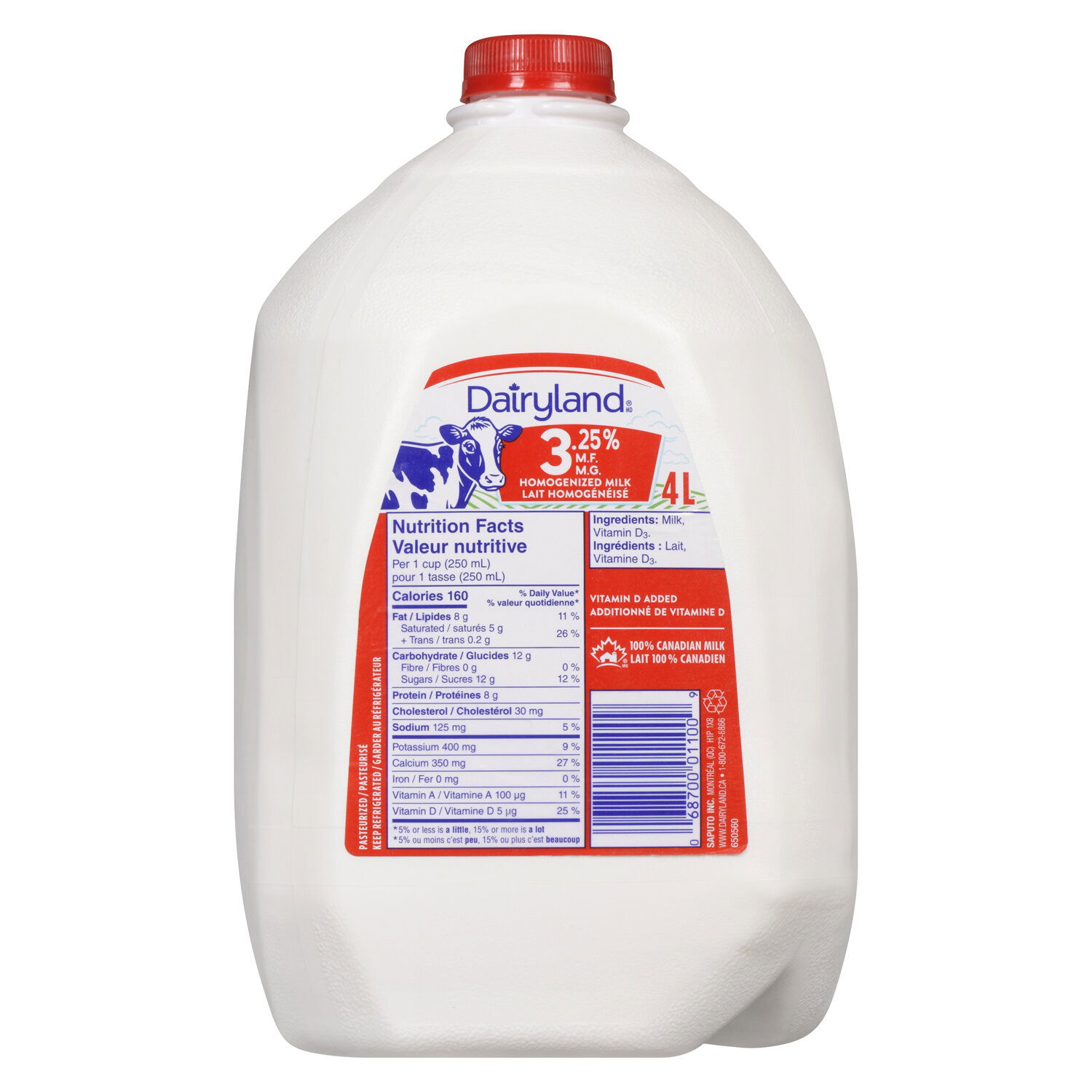
2% reduced fat milk
Analysis updated July 2026 · How Scout scores
At a glance
Summary
This 2% reduced fat milk is a processed food with a simple ingredient list, primarily consisting of reduced-fat milk, which provides essential nutrients like calcium and protein. The addition of vitamins A and D3 enhances its nutritional profile, but the processing level limits its score. Despite being processed, it lacks harmful additives, making it a relatively healthy choice within its category.
Key ingredients 3
Vitamin D3Good
Beneficial ingredient — whole-food or functional value in this product class.
Benefits
Enhances calcium absorption, which is crucial for maintaining strong bones and preventing osteoporosis.
Reduced-Fat MilkNeutral
Standard formulation ingredient — neither beneficial nor harmful at typical use.
Benefits
Provides essential nutrients such as calcium, vitamin D, and protein, which are important for bone health and muscle function.
Vitamin A PalmitateNeutral
Vitamin A Palmitate is added to fortify milk with vitamin A, which is essential for vision and immune function. It is a synthetic form of vitamin A used to replace the natural vitamin A lost during fat removal. While beneficial for those needing additional vitamin A, it is not naturally occurring in reduced-fat milk.
Risks
Excessive intake of vitamin A can lead to toxicity, but this is unlikely from fortified milk alone.
Benefits
Helps maintain healthy vision and supports the immune system by providing an essential nutrient that may be lacking in reduced-fat milk.
Processing
Processed Foods
Get the full breakdown in the Scout appTake Scout shopping
Scan any product to see lab results, healthy alternatives, and your personalized analysis.
Download on theApp Store GET IT ONGoogle PlayAmazon pricing & content
Amazon price as of . Product prices and availability are accurate as of the date/time indicated and are subject to change. Any price and availability information displayed on Amazon.com at the time of purchase will apply to the purchase of this product.
CERTAIN CONTENT THAT APPEARS ON THIS SITE COMES FROM AMAZON. THIS CONTENT IS PROVIDED “AS IS” AND IS SUBJECT TO CHANGE OR REMOVAL AT ANY TIME.