

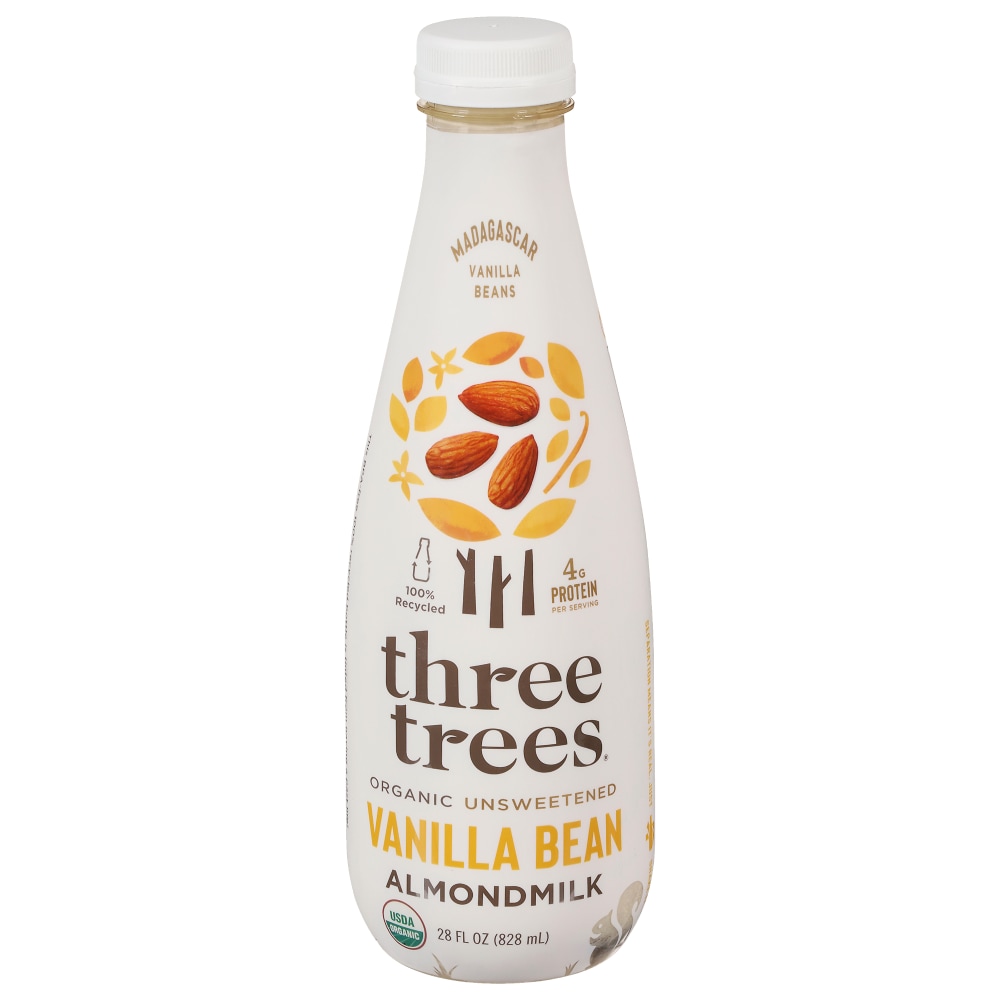


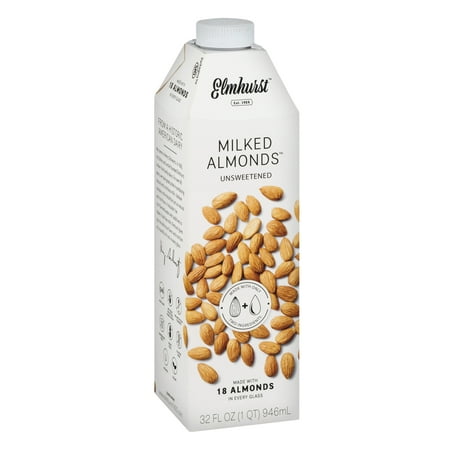

Sprouts Organic Almond Milk Vanilla Unsweetened
SproutsAnalysis updated August 2026 · How Scout scores
At a glance
Summary
This almond milk is fortified with beneficial nutrients like calcium, vitamin D2, and vitamin B12, which are important for bone health and preventing deficiencies in plant-based diets. However, it contains processed ingredients such as natural vanilla flavor and sunflower lecithin, which slightly detract from its overall health profile. The product is moderately processed, which limits its score despite the presence of organic almonds and other beneficial ingredients.
Key ingredients 14
AlmondsGood
Almonds are a good source of healthy fats, protein, and fiber. They provide essential nutrients such as vitamin E and magnesium. Being organic, they are free from synthetic pesticides and fertilizers.
Risks
Potential allergen for individuals with nut allergies.
Benefits
Rich in monounsaturated fats that support heart health and provide anti-inflammatory properties.
Sea SaltGood
Sea salt is a minimally processed source of sodium and trace minerals. It enhances flavor without the additives found in table salt. Its natural mineral content can support electrolyte balance.
Risks
Excessive consumption can contribute to high blood pressure.
Benefits
Contains trace minerals that may support overall health.
Tricalcium PhosphateGood
Tricalcium phosphate is used to fortify foods with calcium and phosphorus. It supports bone and dental health. It is a common fortification agent in plant-based milks.
Risks
Excessive intake may lead to imbalances in mineral absorption.
Benefits
Provides essential minerals that support bone health.
Vitamin D2Good
Vitamin D2 is a plant-derived form of vitamin D used to fortify foods. It supports calcium absorption and bone health. Fortification helps prevent vitamin D deficiency, especially in non-dairy products.
Risks
Excessive intake can lead to hypercalcemia.
Benefits
Supports bone health and immune function by aiding calcium absorption.
Vitamin B12Good
Vitamin B12 is an essential nutrient important for nerve function and red blood cell production. It is often added to plant-based products to prevent deficiency. Fortification is crucial for those following a vegan diet.
Benefits
Supports nerve health and helps prevent anemia.
Himalayan SaltGood
Himalayan salt is a mineral-rich salt that provides trace elements. It is less processed than table salt and contains minerals like potassium and magnesium. Its unique mineral content can support electrolyte balance.
Risks
Excessive consumption can contribute to high blood pressure.
Benefits
Contains trace minerals that may support overall health.
Filtered WaterNeutral
Filtered water is a neutral ingredient used as a base in many beverages. It provides hydration without any additional nutrients or calories. It is essential for diluting other ingredients and ensuring a smooth consistency.
See more about Filtered Water →Gellan GumNeutral
Gellan gum is a gelling agent used to stabilize and thicken products. It is derived from bacterial fermentation. While it is generally recognized as safe, it is a processed additive.
Risks
Excessive consumption may cause digestive discomfort.
Benefits
Improves texture and consistency of the product.
Calcium CarbonateNeutral
Standard formulation ingredient — neither beneficial nor harmful at typical use.
Risks
Excessive intake may lead to kidney stones or hypercalcemia.
Benefits
Supports bone health by providing a source of calcium.
Vitamin A PalmitateNeutral
Standard formulation ingredient — neither beneficial nor harmful at typical use.
Risks
Excessive intake can lead to hypervitaminosis A.
Benefits
Essential for maintaining healthy vision and immune function.
Guar GumNeutral
Guar gum is a thickening agent derived from guar beans. It is used to improve texture and consistency in food products. While generally safe, it is a processed additive.
Risks
May cause digestive issues if consumed in large amounts.
Benefits
Enhances the texture and stability of the product.
Organic Natural FlavorNeutral
Organic natural flavor is used to enhance taste without artificial additives. It is derived from natural sources but lacks transparency in its composition. Being organic, it is free from synthetic pesticides.
Risks
Lack of transparency may concern some consumers.
Benefits
Enhances flavor without artificial additives.
Natural Vanilla FlavorBad
Natural vanilla flavor is often derived from vanilla beans but can include other natural sources. It lacks the full nutritional profile of pure vanilla extract. The term 'natural flavors' can be vague, leading to potential consumer confusion.
Risks
May contain undisclosed additives or solvents used in extraction.
Benefits
Provides a pleasant vanilla aroma and taste.
Sunflower LecithinBad
Sunflower lecithin is used as an emulsifier to improve texture and consistency. It is a processed ingredient derived from sunflower seeds. While less concerning than seed oils, it still represents a processed additive.
Risks
May cause digestive issues in sensitive individuals.
Benefits
Helps maintain product stability and texture.
Processing
Processed Foods
Get the full breakdown in the Scout appTake Scout shopping
Scan any product to see lab results, healthy alternatives, and your personalized analysis.
Download on theApp Store GET IT ONGoogle Play