
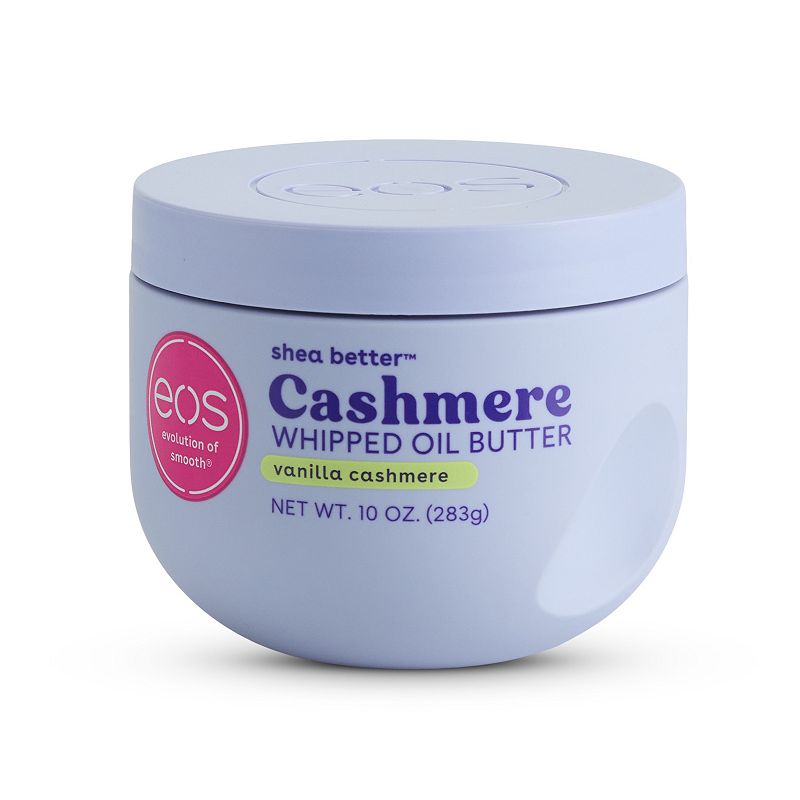
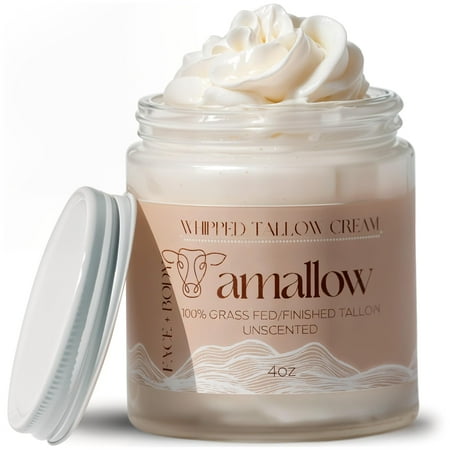

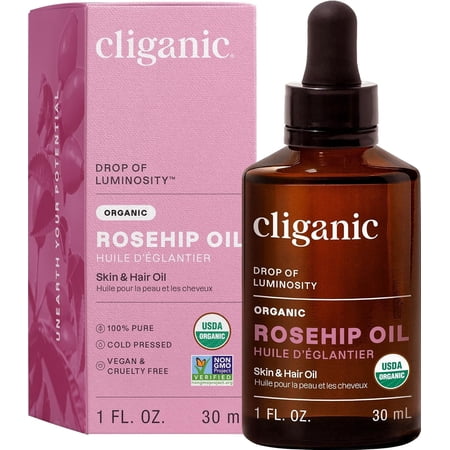
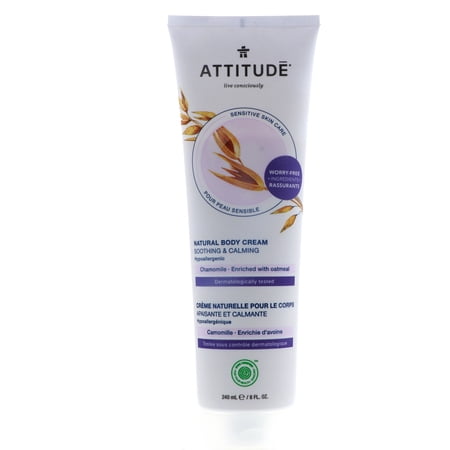
eos Vanilla Cashmere Whipped Body Butter Rich Moisture Deep Hydration for Dry Skin 10 oz
Analysis updated August 2026 · How Scout scores
At a glance
Summary
This body butter contains beneficial natural oils and butters like coconut oil, shea butter, and argan oil, which provide excellent moisturizing properties. However, the presence of fragrance, petrolatum, and phenoxyethanol introduces potential skin irritation and contamination risks. The inclusion of these ingredients, along with some synthetic components, affects the overall safety and cleanliness of the product.
Key ingredients 29
Cocos Nucifera (Coconut) OilVery Good
Coconut oil is a natural oil known for its moisturizing properties. It helps to nourish and hydrate the skin effectively.
Risks
May cause acne in individuals with oily skin due to its comedogenic nature.
Benefits
Provides deep hydration and nourishment to the skin.
Butyrospermum Parkii (Shea) ButterVery Good
Shea butter is a natural fat extracted from the nuts of the shea tree. It is rich in vitamins and provides excellent moisturizing properties.
Risks
Rarely, it may cause allergic reactions in sensitive individuals.
Benefits
Deeply moisturizes and nourishes the skin.
Theobroma Cacao (Cocoa) Seed ButterVery Good
Cocoa butter is a natural fat extracted from cocoa beans. It is rich in antioxidants and provides excellent moisturizing properties.
Risks
Rarely, it may cause allergic reactions in sensitive individuals.
Benefits
Deeply moisturizes and nourishes the skin.
Butyrospermum Parkii (Shea) OilVery Good
Shea oil is derived from shea butter and is known for its moisturizing and nourishing properties. It is rich in vitamins and fatty acids.
Risks
Rarely, it may cause allergic reactions in sensitive individuals.
Benefits
Moisturizes and nourishes the skin effectively.
Argania Spinosa Kernel OilVery Good
Argan oil is a natural oil rich in essential fatty acids and vitamin E. It provides excellent moisturizing and anti-aging benefits.
Risks
Generally safe with minimal risk of irritation.
Benefits
Moisturizes and provides anti-aging benefits.
GlycerinGood
Glycerin is a humectant that attracts moisture to the skin. It helps maintain skin hydration and improves skin barrier function.
Risks
Generally safe with minimal risk of irritation.
Benefits
Enhances skin hydration and barrier function.
Caprylic/Capric TriglycerideGood
This ingredient is an emollient derived from coconut oil and glycerin. It helps to smooth and soften the skin.
Risks
Low risk of irritation or allergic reaction.
Benefits
Improves skin texture and provides a silky feel.
Tocopheryl AcetateGood
Tocopheryl acetate is a form of vitamin E used for its antioxidant properties. It helps to protect the skin from free radical damage.
Risks
Generally safe with minimal risk of irritation.
Benefits
Provides antioxidant protection and improves skin health.
Water/EauNeutral
Water is a common solvent used in cosmetics to dissolve other ingredients. It helps in the application and absorption of the product. It does not provide direct benefits or risks.
Benefits
Acts as a solvent and helps in the application of the product.
Glyceryl Stearate SENeutral
Glyceryl Stearate SE is an emulsifier that helps blend water and oils in formulations. It stabilizes the product and improves texture.
Risks
Low risk of irritation.
Benefits
Stabilizes emulsions and improves product texture.
Cetyl AlcoholNeutral
Cetyl alcohol is a fatty alcohol used as an emollient and thickener. It helps to soften the skin and improve product consistency.
Risks
Generally safe with low risk of irritation.
Benefits
Softens skin and enhances product texture.
Palmitic AcidNeutral
Palmitic acid is a fatty acid used as an emollient and surfactant. It helps to soften the skin and stabilize formulations.
Risks
Low risk of irritation.
Benefits
Softens skin and stabilizes formulations.
Stearic AcidNeutral
Stearic acid is a fatty acid used as an emulsifier and thickener. It helps to stabilize formulations and improve texture.
Risks
Low risk of irritation.
Benefits
Stabilizes formulations and improves texture.
Hydrogenated Vegetable OilNeutral
Hydrogenated vegetable oil is used as an emollient and thickener in cosmetics. It helps to improve texture and provide a smooth application.
Risks
Low risk of irritation.
Benefits
Improves texture and provides a smooth application.
Glyceryl StearateNeutral
Glyceryl stearate is an emulsifier that helps blend water and oils in formulations. It stabilizes the product and improves texture.
Risks
Low risk of irritation.
Benefits
Stabilizes emulsions and improves product texture.
PEG-100 StearateNeutral
PEG-100 stearate is an emulsifier used to blend water and oils. It helps to stabilize formulations and improve texture.
Risks
Potential contamination with ethylene oxide and 1,4-dioxane.
Benefits
Stabilizes formulations and improves texture.
CarbomerNeutral
Carbomer is a thickening agent used to stabilize and thicken formulations. It helps to improve product consistency.
Risks
Low risk of irritation.
Benefits
Stabilizes and thickens formulations.
Caprylyl GlycolNeutral
Caprylyl glycol is a humectant and skin conditioning agent. It helps to retain moisture and improve skin texture.
Risks
Low risk of irritation.
Benefits
Retains moisture and improves skin texture.
Hexylene GlycolNeutral
Hexylene glycol is a solvent and viscosity agent used in cosmetics. It helps to improve product texture and application.
Risks
Low risk of irritation.
Benefits
Improves product texture and application.
Sodium HydroxideNeutral
Sodium hydroxide is used to adjust the pH of cosmetic formulations. It helps to maintain product stability and effectiveness.
Risks
Can cause irritation in high concentrations.
Benefits
Adjusts pH and maintains product stability.
Myristic AcidNeutral
Myristic acid is a fatty acid used as an emulsifier and surfactant. It helps to stabilize formulations and improve texture.
Risks
Low risk of irritation.
Benefits
Stabilizes formulations and improves texture.
Citric AcidNeutral
Citric acid is used to adjust the pH of cosmetic formulations. It helps to maintain product stability and effectiveness.
Risks
Can cause irritation in sensitive skin.
Benefits
Adjusts pH and maintains product stability.
Benzyl BenzoateNeutral
Benzyl benzoate is used as a fragrance ingredient and solvent. It helps to dissolve other ingredients and improve product scent.
Risks
Potential to cause skin irritation in sensitive individuals.
Benefits
Improves product scent and dissolves other ingredients.
DimethiconeBad
Occlusive silicone film-former — flagged under clean-beauty doctrine.
Risks
May cause breakouts in acne-prone skin.
Benefits
Smooths skin texture and locks in moisture.
PhenoxyethanolBad
Phenoxyethanol is a preservative used to prevent microbial growth. It can cause skin irritation and allergic reactions in some individuals.
Risks
Potential to cause skin irritation and allergic reactions.
Benefits
Prevents microbial growth and extends product shelf life.
Disodium EDTABad
Processed additive flagged under Scout's ingredient doctrine.
Risks
Low risk of irritation.
Benefits
Stabilizes formulations and improves shelf life.
Acrylates/C10-30 Alkyl Acrylate CrosspolymerBad
Processed additive flagged under Scout's ingredient doctrine.
Risks
Low risk of irritation.
Benefits
Stabilizes and thickens formulations.
Fragrance/ParfumVery Bad
Fragrance is often a mixture of various chemicals that can cause skin irritation and allergic reactions. It is a common cause of contact dermatitis.
Risks
Potential to cause skin irritation and allergic reactions.
Benefits
Provides a pleasant scent to the product.
PetrolatumVery Bad
Petrolatum is a byproduct of petroleum refining and can be contaminated with harmful substances. It forms a barrier on the skin, which can trap dirt and bacteria.
Risks
Potential contamination with harmful substances and can clog pores.
Benefits
Provides a protective barrier to lock in moisture.
Get the full breakdown in the Scout appTake Scout shopping
Scan any product to see lab results, healthy alternatives, and your personalized analysis.
Download on theApp Store GET IT ONGoogle PlayAmazon pricing & content
Amazon price as of . Product prices and availability are accurate as of the date/time indicated and are subject to change. Any price and availability information displayed on Amazon.com at the time of purchase will apply to the purchase of this product.
CERTAIN CONTENT THAT APPEARS ON THIS SITE COMES FROM AMAZON. THIS CONTENT IS PROVIDED “AS IS” AND IS SUBJECT TO CHANGE OR REMOVAL AT ANY TIME.