
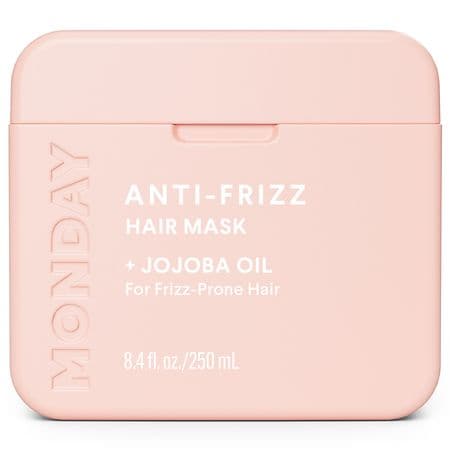
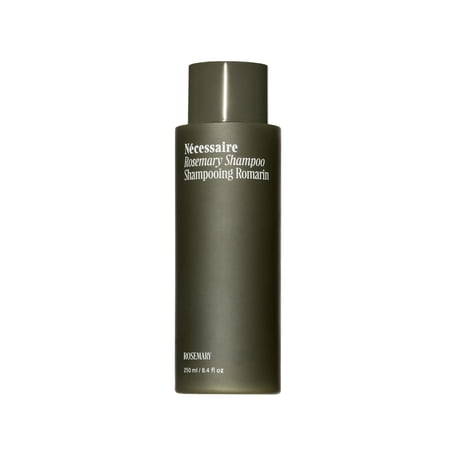
MONDAY Haircare ANTI-FRIZZ Hair Mask - 8.4 fl oz: Calming, For All Hair Types
Analysis updated June 2026 · How Scout scores
At a glance
Summary
This hair mask contains beneficial ingredients like shea butter, coconut oil, and jojoba oil, which provide moisturizing and conditioning benefits. However, it also includes non-water-soluble silicones such as dimethicone and dimethiconol, which can lead to buildup on the hair. Additionally, the presence of synthetic fragrance and drying alcohols like isopropyl alcohol detracts from its overall safety and effectiveness for hair health.
Key ingredients 35
Butyrospermum Parkii (Shea) ButterVery Good
Shea Butter is a natural fat extracted from the nuts of the shea tree. It is highly moisturizing and helps to condition and soften hair. It is rich in vitamins and fatty acids, making it beneficial for hair health.
Risks
Generally safe with low risk of irritation.
Benefits
Deeply moisturizes and conditions hair.
Cocos Nucifera (Coconut) OilVery Good
Coconut Oil is a natural oil known for its conditioning and moisturizing properties. It penetrates the hair shaft to provide deep nourishment. It is beneficial for reducing protein loss and improving hair health.
Risks
Generally safe with low risk of irritation.
Benefits
Nourishes and strengthens hair.
Simmondsia Chinensis (Jojoba) Seed OilVery Good
Jojoba Oil is a natural oil that closely resembles the natural oils of the scalp. It provides excellent moisturizing and conditioning benefits. It helps to balance oil production and improve hair texture.
Risks
Generally safe with low risk of irritation.
Benefits
Balances scalp oil and conditions hair.
Prunus Amygdalus Dulcis (Sweet Almond) OilVery Good
Sweet Almond Oil is a natural oil rich in vitamins and fatty acids. It helps to nourish and strengthen hair, improving its overall health. It is known for its ability to add shine and softness to hair.
Risks
Generally safe with low risk of irritation.
Benefits
Nourishes and adds shine to hair.
GlycerinGood
Glycerin is a humectant that attracts moisture to the hair, helping to keep it hydrated. It is derived from natural sources and is considered safe for use in hair care products. It enhances the moisture content of the hair.
Benefits
Helps maintain hair hydration and softness.
Aqua (Water)Neutral
Water is a universal solvent used to dissolve other ingredients. It acts as a base for the formulation, helping to distribute the product evenly. It does not have any direct benefits or risks.
Risks
No known risks.
Benefits
No direct benefits.
Cetearyl AlcoholNeutral
Standard formulation ingredient — neither beneficial nor harmful at typical use.
Risks
Generally safe with low risk of irritation.
Benefits
Improves product texture and provides conditioning benefits.
Isopropyl MyristateNeutral
Isopropyl Myristate is an ester used to enhance the absorption of other ingredients. It helps to improve the spreadability of the product. It does not have significant direct benefits or risks.
Benefits
Improves product absorption and spreadability.
Behentrimonium ChlorideNeutral
Behentrimonium Chloride is a conditioning agent that helps to detangle and soften hair. It is effective in reducing static and improving manageability. It is generally considered safe for use in hair care products.
Benefits
Improves hair manageability and reduces static.
DiglycerinNeutral
Diglycerin is a humectant similar to glycerin, used to retain moisture in the hair. It helps to improve the hydration level of the hair. It does not have significant direct benefits or risks.
Benefits
Helps retain moisture in hair.
HydroxyethylcelluloseNeutral
Hydroxyethylcellulose is a thickening agent used to improve the texture of the product. It helps to stabilize the formulation and enhance its viscosity. It does not have significant direct benefits or risks.
Benefits
Improves product texture and stability.
Peg-100 StearateNeutral
PEG-100 Stearate is an emulsifier used to blend oil and water-based ingredients. It helps to stabilize the formulation and improve texture. It does not have significant direct benefits or risks.
Benefits
Stabilizes and improves product texture.
Glyceryl StearateNeutral
Glyceryl Stearate is an emulsifier and thickening agent used to improve product texture. It helps to stabilize the formulation and enhance its consistency. It does not have significant direct benefits or risks.
Benefits
Improves product texture and stability.
ChlorphenesinNeutral
Chlorphenesin is a preservative used to prevent microbial growth in cosmetic products. It helps to extend the shelf life of the product. It does not have significant direct benefits or risks.
Benefits
Prevents microbial growth in the product.
Isopropyl AlcoholNeutral
Standard formulation ingredient — neither beneficial nor harmful at typical use.
Risks
Can cause dryness and irritation to hair and scalp.
Benefits
Improves product absorption.
Trideceth-10Neutral
Trideceth-10 is a surfactant and emulsifier used to improve the texture and stability of the product. It helps to blend oil and water-based ingredients. It does not have significant direct benefits or risks.
Benefits
Improves product texture and stability.
Tea-DodecylbenzenesulfonateNeutral
Tea-Dodecylbenzenesulfonate is a surfactant used to enhance the cleansing properties of the product. It helps to remove dirt and oil from the hair. It does not have significant direct benefits or risks.
Benefits
Enhances cleansing properties.
Laureth-23Neutral
Laureth-23 is an emulsifier and surfactant used to improve the texture and stability of the product. It helps to blend oil and water-based ingredients. It does not have significant direct benefits or risks.
Benefits
Improves product texture and stability.
Trideceth-3Neutral
Trideceth-3 is a surfactant and emulsifier used to improve the texture and stability of the product. It helps to blend oil and water-based ingredients. It does not have significant direct benefits or risks.
Benefits
Improves product texture and stability.
EthylhexylglycerinNeutral
Ethylhexylglycerin is a preservative and skin conditioning agent used to enhance the efficacy of other preservatives. It helps to improve the overall stability of the product. It does not have significant direct benefits or risks.
Benefits
Enhances preservative efficacy and product stability.
Disodium PhosphateNeutral
Disodium Phosphate is a buffering agent used to maintain the pH balance of the product. It helps to stabilize the formulation and improve its efficacy. It does not have significant direct benefits or risks.
Benefits
Maintains pH balance and stabilizes the product.
Citric AcidNeutral
Citric Acid is used to adjust the pH of the product and enhance its stability. It is a natural acid derived from citrus fruits. It does not have significant direct benefits or risks.
Benefits
Adjusts pH and enhances product stability.
Acetic AcidNeutral
Acetic Acid is used to adjust the pH of the product and enhance its stability. It is a natural acid commonly found in vinegar. It does not have significant direct benefits or risks.
Benefits
Adjusts pH and enhances product stability.
Hexyl CinnamalNeutral
Hexyl Cinnamal is a fragrance ingredient used to impart a pleasant scent to the product. It is a synthetic compound that mimics the scent of jasmine. It does not have significant direct benefits or risks.
Risks
Potential for allergic reactions in sensitive individuals.
Benefits
Provides a pleasant scent to the product.
Tetramethyl AcetyloctahydronaphthalenesNeutral
Tetramethyl Acetyloctahydronaphthalenes is a fragrance ingredient used to impart a pleasant scent to the product. It is a synthetic compound used in perfumery. It does not have significant direct benefits or risks.
Risks
Potential for allergic reactions in sensitive individuals.
Benefits
Provides a pleasant scent to the product.
DimethiconeBad
Dimethicone is a silicone used to provide smoothness and shine to hair. However, it is non-water-soluble and can lead to buildup on the hair over time. This buildup can make hair feel heavy and brittle.
Risks
Potential for buildup leading to dull and brittle hair.
Benefits
Provides temporary smoothness and shine.
DimethiconolBad
Dimethiconol is a silicone derivative similar to dimethicone, used for its conditioning properties. It can also lead to buildup on the hair, causing similar issues as dimethicone. It is not water-soluble, which can be problematic for hair health.
Risks
May cause buildup and weigh down hair.
Benefits
Adds smoothness and shine to hair.
PhenoxyethanolBad
Phenoxyethanol is a synthetic preservative used to prevent microbial growth. It is considered a potential irritant and can cause allergic reactions in some individuals. It is not the most skin-friendly preservative available.
Risks
Potential for skin irritation and allergic reactions.
Benefits
Prevents microbial growth in the product.
AmodimethiconeBad
Amodimethicone is a silicone used for its conditioning properties, providing smoothness and shine. It is non-water-soluble and can lead to buildup on the hair over time. This buildup can make hair feel heavy and less manageable.
Risks
Potential for buildup leading to dull and brittle hair.
Benefits
Provides temporary smoothness and shine.
Disodium EdtaBad
Processed additive flagged under Scout's ingredient doctrine.
Benefits
Improves product stability and efficacy.
Benzyl AlcoholBad
Benzyl Alcohol is a preservative and solvent used in cosmetic products. It can cause skin irritation and dryness, especially in sensitive individuals. It is generally not recommended for use in hair care products.
Risks
Can cause skin irritation and dryness.
Benefits
Acts as a preservative and solvent.
Polysorbate 60Bad
Processed additive flagged under Scout's ingredient doctrine.
Benefits
Improves product texture and stability.
Sodium PhosphateBad
Processed additive flagged under Scout's ingredient doctrine.
Benefits
Maintains pH balance and stabilizes the product.
LinaloolBad
Processed additive flagged under Scout's ingredient doctrine.
Risks
Potential for allergic reactions in sensitive individuals.
Benefits
Provides a pleasant scent to the product.
Parfum (Fragrance)Very Bad
Fragrance is a synthetic or natural compound used to impart scent to the product. It can cause allergic reactions and skin irritation in sensitive individuals. The exact composition is often undisclosed, leading to potential concerns.
Risks
Potential for allergic reactions and skin irritation.
Benefits
Provides a pleasant scent to the product.
Get the full breakdown in the Scout appTake Scout shopping
Scan any product to see lab results, healthy alternatives, and your personalized analysis.
Download on theApp Store GET IT ONGoogle Play