
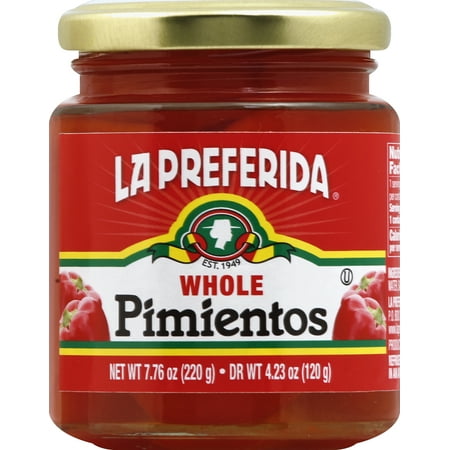
Hummus con pimiento del piquillo asado
Summary
This hummus contains beneficial ingredients like chickpeas, tahini, and olive oil, which provide healthy fats and nutrients. However, the presence of sunflower oil, a seed oil high in omega-6 fatty acids, and several additives such as preservatives and acidulants, contribute to its processed nature. The processing level and inclusion of sunflower oil prevent it from achieving a higher score despite its nutritious components.
At a glance
Key ingredients 10
ChickpeasGood
Chickpeas are a rich source of protein and fiber, supporting digestive health and satiety. They are minimally processed and provide essential nutrients like iron and folate. Compared to other legumes, chickpeas have a balanced macronutrient profile.
Benefits
High in protein and fiber, which can aid in weight management and improve digestive health. Contains essential vitamins and minerals such as iron and folate.
Sunflower oilVery Bad
Sunflower oil is a seed oil high in omega-6 fatty acids, which can promote inflammation if consumed in excess. It is often extracted using high heat and chemicals, which may degrade its nutritional quality. Compared to healthier oils like olive oil, it lacks beneficial monounsaturated fats.
Risks
High omega-6 content may promote inflammation when consumed in excess.
TahiniGood
Tahini, made from sesame seeds, is rich in healthy fats and provides a good source of calcium and magnesium. It is minimally processed and retains many of the seeds' natural nutrients. Compared to other seed pastes, tahini offers a unique flavor and nutrient profile.
Risks
Potential allergen for individuals with sesame allergies.
Benefits
Rich in healthy fats and provides essential minerals like calcium and magnesium. Offers a unique flavor and nutrient profile.
Piquillo peppersGood
Piquillo peppers are low in calories and rich in vitamins A and C, supporting immune function and skin health. They are typically roasted, which enhances their flavor without significant nutrient loss. Compared to other peppers, they have a sweeter taste and are often used in gourmet dishes.
Benefits
Rich in vitamins A and C, which support immune function and skin health. Low in calories and provide a sweet, unique flavor.
Citric acidNeutral
Citric acid is a natural preservative and acidulant used to enhance flavor and preserve freshness. It is commonly derived from citrus fruits or produced via fermentation. While it is generally recognized as safe, excessive consumption may cause digestive discomfort.
Risks
Excessive consumption may cause digestive discomfort.
Benefits
Acts as a natural preservative and enhances flavor without significant health concerns.
Lemon juiceGood
Lemon juice is a natural source of vitamin C and antioxidants, supporting immune health and providing a fresh flavor. It is minimally processed and retains the natural benefits of lemons. Compared to artificial flavorings, lemon juice offers genuine nutritional benefits.
Benefits
Rich in vitamin C and antioxidants, supporting immune health and providing a fresh flavor.
Olive oilGood
Olive oil is a high-quality monounsaturated fat with anti-inflammatory properties. It contains antioxidants that support heart health and is often cold-pressed to preserve beneficial compounds. Compared to seed oils, olive oil offers superior health benefits.
Benefits
Rich in monounsaturated fats that support heart health and provide anti-inflammatory properties. Contains antioxidants like vitamin E and polyphenols.
Garlic powderGood
Garlic powder provides a concentrated source of garlic's beneficial compounds, such as allicin, which may support cardiovascular health. It is a convenient form of garlic that retains much of its flavor and health benefits. Compared to fresh garlic, it offers longer shelf life and ease of use.
Benefits
Contains allicin, which may support cardiovascular health and provide antioxidant benefits.
SaltNeutral
Salt is used to enhance flavor and preserve food, but excessive intake can lead to hypertension and cardiovascular issues. It is a common seasoning that is generally safe in moderation. Compared to other preservatives, salt is natural but should be consumed with caution.
Risks
Excessive intake can lead to hypertension and cardiovascular issues.
Benefits
Enhances flavor and acts as a natural preservative.
Potassium sorbateNeutral
Potassium sorbate is a widely used preservative that inhibits mold and yeast growth, extending shelf life. It is synthetically produced but considered safe in small amounts. Compared to other preservatives, it has a relatively low risk of adverse effects.
Risks
May cause mild skin or respiratory irritation in sensitive individuals.
Benefits
Effectively inhibits mold and yeast growth, extending product shelf life.
Processing
Processed Foods
Get the full breakdown in the Scout app
Scan any product to see lab results, healthy alternatives, and your personalized analysis.
Download on theApp Store