
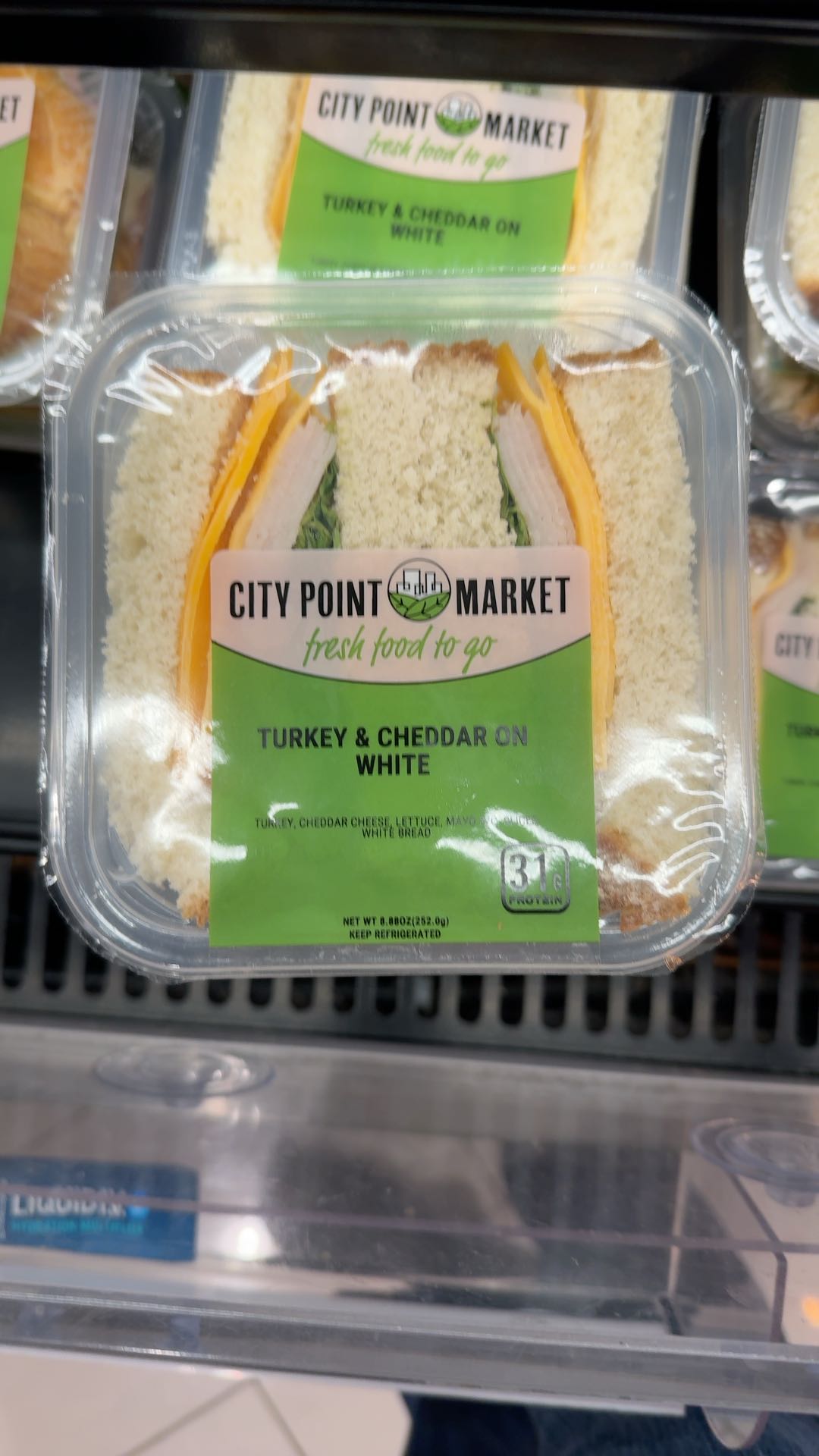
Turkey & Cheese Sandwich

City Point Market
65 Fair
View on Amazon

Summary

This turkey and cheese sandwich contains beneficial ingredients like turkey, Swiss cheese, lettuce, and tomatoes, which provide essential nutrients and are minimally processed. However, the presence of bacon, which is high in saturated fat and sodium, along with the processed nature of the sandwich, limits its healthfulness. The overall processing level and inclusion of mayonnaise and bread, which may contain additional additives, further impact the score.

At a glance

Beneficial ingredients 4
Harmful ingredients 1
Owned by Fresh & Ready Foods, LLC
Category Bread

Key ingredients 8

Turkey
Good

Turkey is a lean source of protein, providing essential amino acids necessary for muscle repair and growth. It is typically low in fat, especially when skinless, making it a healthier meat option. Turkey also contains important nutrients like B vitamins and selenium.

Benefits

Rich in high-quality protein and essential nutrients like B vitamins and selenium, supporting overall health and well-being.

See more about Turkey →
Swiss cheese
Good

Swiss cheese is a good source of calcium and protein, contributing to bone health and muscle maintenance. It is typically lower in sodium compared to other cheeses, which can be beneficial for heart health. The fermentation process also provides beneficial probiotics.

Risks

High in saturated fat, which may contribute to heart disease if consumed in excess.

Benefits

Provides calcium and protein, supporting bone health and muscle maintenance. Contains probiotics that may aid in digestion.

Bacon
Bad

Bacon is high in saturated fat and sodium, which can increase the risk of heart disease and hypertension. It is also processed with nitrates and nitrites, which have been linked to certain cancers. Despite its flavor, it is not considered a healthful choice.

Risks

High in saturated fat and sodium, increasing the risk of heart disease and hypertension. Contains nitrates and nitrites, which may be carcinogenic.

Benefits

Provides protein and some B vitamins, but these benefits are outweighed by its health risks.

Butter
Neutral

Butter is a source of saturated fat, which can contribute to heart disease if consumed in large amounts. It is minimally processed and can be part of a balanced diet when used sparingly. Grass-fed butter contains higher levels of omega-3 fatty acids and vitamin K2.

Risks

High in saturated fat, which may contribute to heart disease if consumed in excess.

Benefits

Grass-fed butter provides omega-3 fatty acids and vitamin K2, which are beneficial for heart and bone health.

See more about Butter →
Lettuce
Good

Lettuce is low in calories and provides dietary fiber, which aids in digestion and promotes satiety. It is also a source of vitamins A and K, which support vision and bone health. Lettuce is a hydrating food due to its high water content.

Benefits

Rich in vitamins A and K, supporting vision and bone health. Provides dietary fiber and hydration.

Tomatoes
Good

Tomatoes are rich in lycopene, an antioxidant linked to reduced risk of heart disease and cancer. They are also a good source of vitamin C and potassium, supporting immune function and heart health. Fresh tomatoes are minimally processed and nutrient-dense.

Benefits

High in antioxidants like lycopene, supporting heart health and reducing cancer risk. Provides vitamin C and potassium.

See more about Tomatoes →
Mayonnaise
Neutral

Mayonnaise is an emulsion of oil, egg yolk, and vinegar or lemon juice, providing a creamy texture and flavor. It is high in calories and fat, which can contribute to weight gain if consumed in large quantities. Quality mayonnaise made with healthy oils can be a better choice.

Risks

High in calories and fat, which may contribute to weight gain if consumed in excess.

Benefits

Provides a creamy texture and flavor, enhancing the palatability of dishes.

Bread
Neutral

Bread is a staple carbohydrate source, providing energy and some dietary fiber. The nutritional value depends on the type of flour used; whole grain options are more beneficial. Processed white bread lacks fiber and essential nutrients.

Risks

Processed white bread may contribute to blood sugar spikes and lacks essential nutrients.

Benefits

Whole grain bread provides dietary fiber and essential nutrients, supporting digestive health and sustained energy.

Processing

Group 3 · Processed

Processed Foods

Get the full breakdown in the Scout app

Scan any product to see lab results, healthy alternatives, and your personalized analysis.

Download on theApp Store