

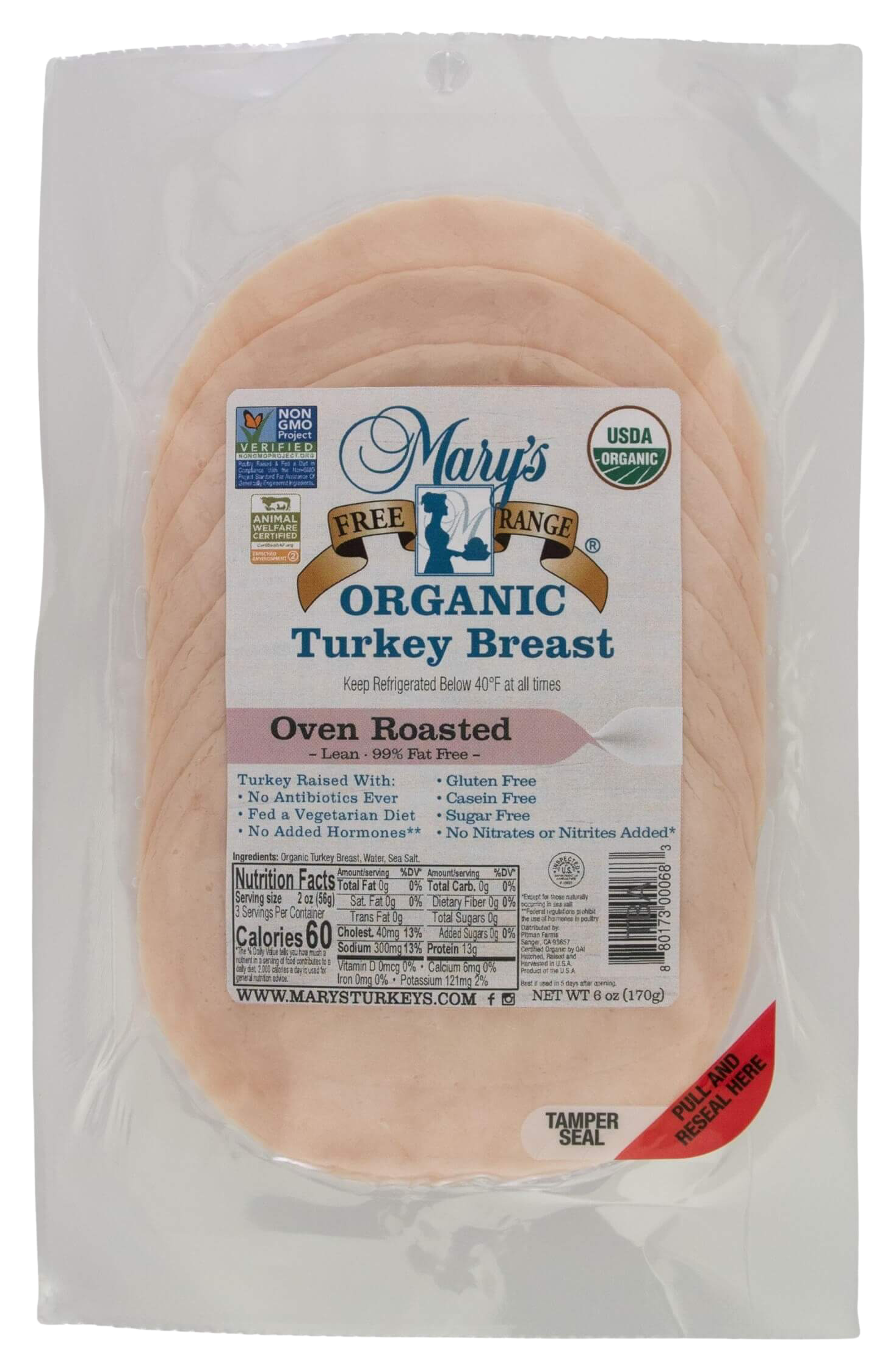


Aldi Deli Sliced Oven Classic Turkey Breast
Analysis updated September 2026 · How Scout scores
Near you
Aldi is carried at Aldi stores. Find one within 25 miles.
At a glance
Summary
This turkey breast product is processed, which limits its score potential. It contains beneficial ingredients like turkey breast, spices, and natural preservatives such as dried vinegar, which contribute to its nutritional value. However, the presence of added sugar and sodium phosphate, a common additive, slightly detracts from its overall healthiness.
Key ingredients 11
Turkey breastGood
Turkey breast is a lean source of high-quality protein. It provides essential amino acids necessary for muscle repair and growth. As a minimally processed meat, it is a healthier option compared to processed meats.
Benefits
Rich in protein and low in fat, making it a healthy choice for maintaining muscle mass and supporting weight management.
Dried vinegarGood
Dried vinegar is used as a natural preservative and flavor enhancer. It provides antimicrobial properties that help extend shelf life. As a natural ingredient, it is a preferable alternative to synthetic preservatives.
Benefits
Offers natural preservation and flavor enhancement without synthetic additives.
SpicesGood
Spices add flavor and may offer health benefits due to their antioxidant properties. They enhance the taste profile without adding calories or unhealthy additives. The specific spices used can vary, contributing unique benefits.
Benefits
May provide antioxidants and enhance flavor without adding calories.
GarlicGood
Garlic is known for its potential health benefits, including antimicrobial and anti-inflammatory properties. It adds flavor and may support cardiovascular health. As a natural ingredient, it is a beneficial addition to foods.
Benefits
May support heart health and provide antimicrobial benefits.
OnionGood
Onion is a natural ingredient that adds flavor and may offer health benefits due to its antioxidant content. It is low in calories and provides vitamins and minerals. Onions are known for their potential anti-inflammatory effects.
Benefits
Provides antioxidants and may have anti-inflammatory properties.
PaprikaGood
Paprika is a spice that adds color and flavor, and it contains antioxidants such as vitamin A. It is a natural ingredient that enhances the visual and taste appeal of foods. Paprika may also offer anti-inflammatory benefits.
Benefits
Rich in antioxidants and may provide anti-inflammatory benefits.
WaterNeutral
Water is used as a processing aid and does not contribute nutritional value. It helps maintain moisture in the product. There are no health concerns associated with water in this context.
See more about Water →SaltNeutral
Salt is used for flavor enhancement and preservation. It is a common ingredient in processed foods. While necessary for bodily functions, excessive intake can lead to health issues.
Risks
High sodium intake can contribute to hypertension and cardiovascular disease.
Benefits
Provides essential sodium needed for fluid balance and nerve function.
Potassium chlorideNeutral
Potassium chloride is used as a salt substitute to reduce sodium content. It provides potassium, an essential mineral for heart and muscle function. However, excessive intake can lead to hyperkalemia, especially in individuals with kidney issues.
Risks
High intake can cause hyperkalemia, particularly in individuals with kidney problems.
Benefits
Provides potassium, which is important for maintaining normal heart and muscle function.
SugarBad
Refined sugar is added for flavor but provides no essential nutrients. Excessive consumption of sugar can lead to health issues such as obesity and diabetes. In processed foods, it is often used to enhance taste and shelf life.
Risks
High intake of refined sugar is linked to increased risk of obesity, type 2 diabetes, and heart disease.
Sodium phosphateBad
Processed additive flagged under Scout's ingredient doctrine.
Risks
Excessive intake may lead to imbalances in calcium and phosphate levels, potentially affecting bone health.
Benefits
Helps maintain moisture and texture in processed meats, enhancing product quality.
Processing
Processed Foods
Get the full breakdown in the Scout appTake Scout shopping
Scan any product to see lab results, healthy alternatives, and your personalized analysis.
Download on theApp Store GET IT ONGoogle Play