


At a glance
Summary
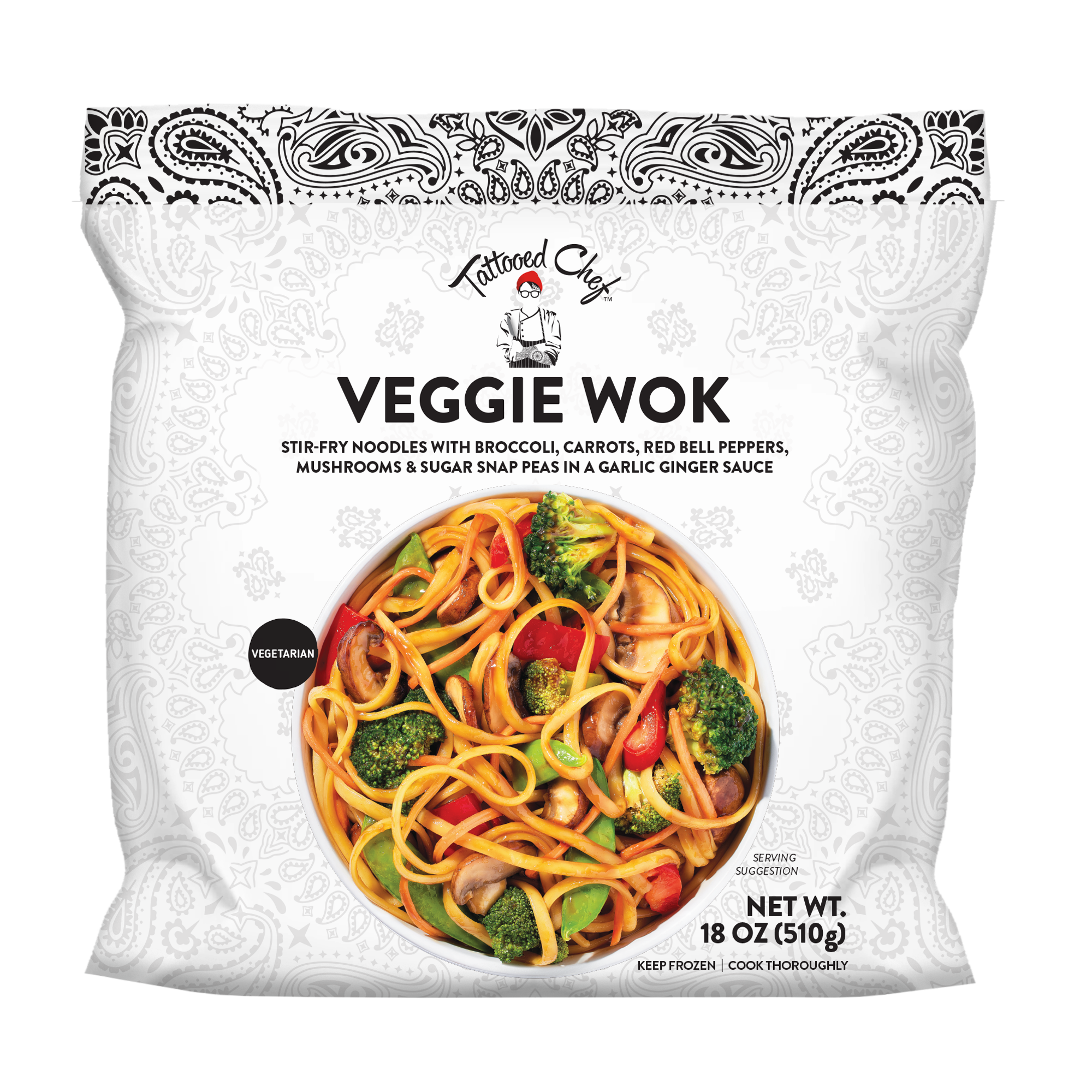
This product contains a variety of beneficial ingredients such as soybeans, sesame oil, coconut milk, ginger, and garlic, which contribute to its nutritional value. However, the presence of white sugar and the fact that it is a processed food limit its overall healthiness. The processing level and inclusion of refined sugar prevent it from achieving a higher score, despite the presence of several nutritious components.
Key ingredients 14
SoybeansGood
Soybeans are a good source of plant-based protein and contain essential amino acids. They are rich in isoflavones, which have been linked to various health benefits. Soybeans also provide fiber and healthy fats.
Risks
Some individuals may have soy allergies or sensitivities.
Benefits
Rich in protein, fiber, and isoflavones, which may support heart health and reduce cholesterol levels.
Sesame OilGood
Sesame oil is a healthy fat rich in antioxidants and anti-inflammatory compounds. It contains sesamol and sesamin, which may have health-promoting properties. It is often used for its nutty flavor in cooking.
Risks
Some individuals may have allergies to sesame seeds or oil.
Benefits
Rich in healthy fats and antioxidants that may support heart health and reduce inflammation.
Coconut MilkGood
Coconut milk is a plant-based milk alternative rich in medium-chain triglycerides (MCTs). It provides a creamy texture and is a source of healthy fats. It is often used in cooking for its flavor and texture.
Risks
High in saturated fats, which should be consumed in moderation.
Benefits
Contains MCTs that may support energy metabolism and provide a creamy texture to dishes.
GingerGood
Ginger is a spice known for its anti-inflammatory and antioxidant properties. It contains bioactive compounds like gingerol that may aid digestion and reduce nausea. It is widely used for its flavor and health benefits.
Benefits
May aid digestion, reduce nausea, and provide anti-inflammatory benefits.
GarlicGood
Garlic is known for its potential health benefits, including antimicrobial and cardiovascular effects. It contains allicin, which may help reduce blood pressure and cholesterol levels. It is widely used for its flavor and health-promoting properties.
Risks
May cause digestive discomfort in some individuals.
Benefits
May support heart health and provide antimicrobial benefits.
Red Bell PepperGood
Red bell peppers are rich in vitamins A and C, providing antioxidant benefits. They are low in calories and high in fiber, making them a nutritious addition to meals. Their vibrant color indicates a high content of beneficial phytonutrients.
Benefits
Rich in vitamins and antioxidants that support immune function and skin health.
Precooked BroccoliGood
Broccoli is a nutrient-dense vegetable high in vitamins C and K, fiber, and antioxidants. It is known for its potential cancer-fighting properties due to compounds like sulforaphane. Precooking may reduce some nutrients but retains most health benefits.
Benefits
Supports immune health and may have cancer-preventive properties.
ChampignonGood
Champignon mushrooms are low in calories and rich in vitamins, minerals, and antioxidants. They provide umami flavor and can enhance the nutritional profile of dishes. They are a good source of B vitamins and selenium.
Benefits
Rich in nutrients and antioxidants that support overall health.
WaterNeutral
Water is a neutral ingredient used as a base or solvent in many food products. It does not provide nutritional value but is essential for hydration. In this context, it serves as a medium for other ingredients.
See more about Water →Tamari SauceNeutral
Tamari sauce is a soy-based condiment similar to soy sauce but typically gluten-free. It provides umami flavor without significant nutritional benefits. It is often used to enhance the taste of dishes.
Risks
May contain high sodium levels, which can be a concern for individuals monitoring salt intake.
Benefits
Offers a rich umami flavor that can enhance the taste of dishes.
SaltNeutral
Salt is used to enhance flavor and preserve food. It is a common culinary ingredient but does not provide additional nutritional benefits. Excessive consumption can lead to health issues.
Risks
High sodium intake can contribute to hypertension and cardiovascular diseases.
Benefits
Essential for maintaining fluid balance and nerve function in the body.
Spirit VinegarNeutral
Spirit vinegar is a common acidic ingredient used for flavoring and preservation. It is made through the fermentation of distilled alcohol. It does not provide significant nutritional benefits.
Benefits
Can enhance flavor and act as a preservative in food products.
PastaNeutral
Pasta is a carbohydrate-rich food that provides energy but limited nutritional benefits. It is often used as a base in meals and can be part of a balanced diet. Whole grain varieties offer more fiber and nutrients.
Risks
Refined pasta can contribute to blood sugar spikes if consumed in excess.
Benefits
Provides energy and can be part of a balanced diet when consumed in moderation.
White SugarBad
White sugar is a refined carbohydrate that provides quick energy but lacks nutritional value. Excessive consumption can lead to health issues such as obesity and diabetes. It is often used to sweeten foods and beverages.
Risks
High intake can contribute to obesity, diabetes, and dental cavities.
Benefits
Provides quick energy but lacks essential nutrients.
Processing
Processed Foods
Get the full breakdown in the Scout appTake Scout shopping
Scan any product to see lab results, healthy alternatives, and your personalized analysis.
Download on theApp Store GET IT ONGoogle Play