


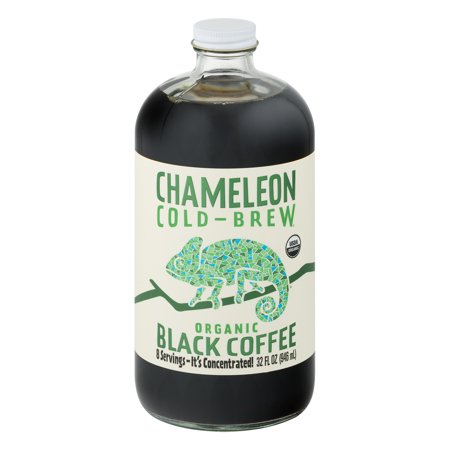


Cold Brew Latte High Protein Coffee
Analysis updated September 2026 · How Scout scores
At a glance
Summary
This cold brew latte contains organic cold brew coffee, which is beneficial due to its antioxidant content and reduced acidity. However, the presence of cane sugar and high-oleic sunflower oil, along with its ultra-processed nature, limits its healthfulness. The use of a few additives and the processing level further impact its overall score, despite the inclusion of some quality ingredients.
Key ingredients 8
Organic Cold Brew CoffeeGood
Organic cold brew coffee is a source of antioxidants and provides a natural energy boost. The organic certification indicates minimal pesticide use, enhancing its health profile. Cold brewing reduces acidity, making it gentler on the stomach compared to hot-brewed coffee.
Risks
Excessive caffeine consumption can lead to insomnia, jitteriness, and increased heart rate.
Benefits
Rich in antioxidants that may help reduce inflammation and improve overall health.
Sea SaltGood
Beneficial ingredient — whole-food or functional value in this product class.
Risks
Excessive sodium intake can lead to high blood pressure and cardiovascular issues.
Benefits
Provides essential minerals such as magnesium and calcium in small amounts.
Skim Milk Protein ConcentrateNeutral
Skim milk protein concentrate is a source of high-quality protein, beneficial for muscle repair and growth. It is processed to remove fat, making it a low-calorie protein source. However, it lacks the beneficial fats found in whole milk.
Risks
May cause digestive issues in individuals with lactose intolerance.
Benefits
Provides essential amino acids necessary for muscle maintenance and repair.
Non-GMO Expeller-Pressed High-Oleic Sunflower OilNeutral
High-oleic sunflower oil is a healthier alternative to regular sunflower oil due to its higher monounsaturated fat content. The expeller-pressed method indicates a mechanical extraction process without chemical solvents. It is non-GMO, which may appeal to consumers avoiding genetically modified ingredients.
Benefits
Rich in monounsaturated fats that support heart health and provide anti-inflammatory properties.
Dipotassium PhosphateNeutral
Dipotassium phosphate is used as a stabilizer and emulsifier in food products. It helps maintain the texture and consistency of beverages. While generally recognized as safe, it is a synthetic additive.
Risks
Excessive consumption may lead to imbalances in mineral levels, particularly potassium.
Potassium CitrateNeutral
Potassium citrate is used to regulate acidity and improve flavor in beverages. It is a source of potassium, an essential mineral for maintaining electrolyte balance. However, it is a processed additive.
Risks
High doses may cause gastrointestinal discomfort or hyperkalemia in susceptible individuals.
Benefits
Contributes to maintaining proper electrolyte balance and supports nerve function.
Gellan GumNeutral
Gellan gum is a gelling agent used to stabilize and thicken food products. It is derived from bacterial fermentation and is considered safe for consumption. It is a common additive in processed foods.
Risks
May cause digestive discomfort in sensitive individuals when consumed in large amounts.
Cane SugarBad
Cane sugar is a refined sugar that can contribute to increased blood sugar levels and weight gain when consumed in excess. It is a source of empty calories with no essential nutrients. Regular consumption of added sugars is linked to various health issues, including obesity and type 2 diabetes.
Risks
High intake of added sugars is associated with an increased risk of chronic diseases such as obesity and type 2 diabetes.
Benefits
Provides a quick source of energy but lacks nutritional benefits.
Processing
Ultra-Processed Foods
Get the full breakdown in the Scout appTake Scout shopping
Scan any product to see lab results, healthy alternatives, and your personalized analysis.
Download on theApp Store GET IT ONGoogle Play