

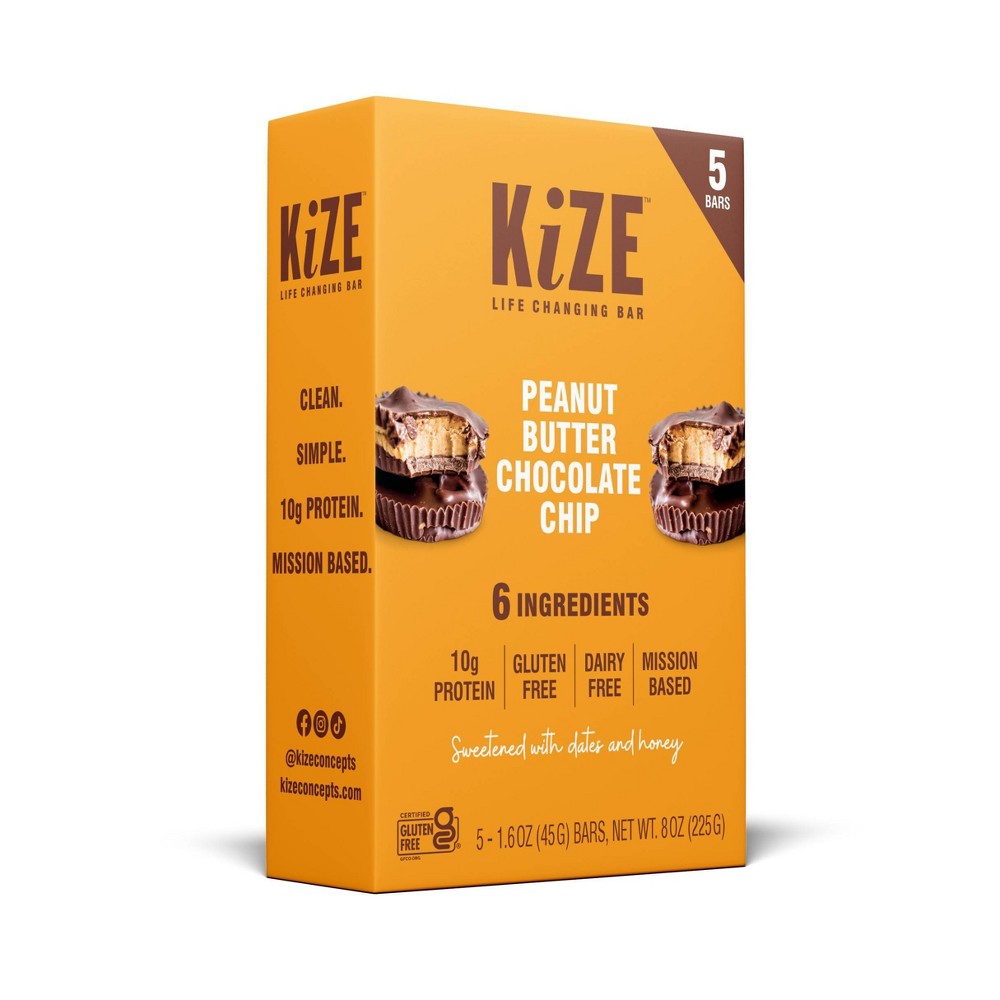


Peanut Butter Flavour Protein Bar
Summary
This protein bar contains several beneficial ingredients like peanuts, flaxseed, and chicory root fiber, which contribute to its nutritional value. However, it is heavily processed, with ingredients such as soy protein isolate and palm kernel oil, which are considered less desirable due to their processing and health impacts. The presence of 'natural flavors' also raises concerns about transparency and potential additives, further impacting the overall score.
At a glance
Key ingredients 15
PeanutsGood
Peanuts are a good source of healthy fats and protein, contributing to satiety and muscle maintenance. They contain vitamins and minerals such as vitamin E, magnesium, and potassium. Peanuts also provide antioxidants that may support heart health.
Risks
Peanuts can be a common allergen and may cause severe allergic reactions in sensitive individuals.
Benefits
Rich in monounsaturated fats and protein, supporting heart health and muscle maintenance.
Soy Protein IsolateBad
Soy protein isolate is a highly processed form of soy protein, often used in plant-based products. It lacks the complete amino acid profile found in animal-based proteins. The processing methods can also strip away beneficial nutrients.
Risks
May contain phytoestrogens that could affect hormone balance in sensitive individuals.
Benefits
Provides a plant-based protein source, though less complete than animal proteins.
AlluloseNeutral
Allulose is a low-calorie sweetener that does not significantly impact blood sugar levels. It is often used as a sugar substitute in low-calorie products. While it mimics the taste of sugar, it is not metabolized in the same way.
Risks
Excessive consumption may lead to digestive discomfort in some individuals.
Benefits
Offers a sweet taste with minimal impact on blood sugar levels.
Tapioca FiberGood
Tapioca fiber is a prebiotic fiber that can support digestive health by promoting beneficial gut bacteria. It is derived from the cassava root and is minimally processed. This fiber can aid in maintaining healthy blood sugar levels.
Benefits
Supports digestive health and helps maintain stable blood sugar levels.
Palm Kernel OilBad
Palm kernel oil is high in saturated fats, which can contribute to increased cholesterol levels. It is often used in processed foods due to its stability and long shelf life. The production of palm oil is also associated with environmental concerns.
Risks
High saturated fat content may increase the risk of heart disease if consumed in excess.
Benefits
Provides a stable fat source for processed foods, though with limited health benefits.
Vegetable GlycerinNeutral
Vegetable glycerin is a sugar alcohol used as a sweetener and humectant in food products. It is derived from plant oils and is generally recognized as safe. It helps retain moisture in food products, improving texture.
Risks
Excessive consumption may cause digestive issues such as bloating or diarrhea.
Benefits
Helps maintain moisture and improve texture in food products.
Chicory Root FiberGood
Chicory root fiber is a prebiotic fiber that supports gut health by promoting beneficial bacteria. It is derived from the chicory plant and is minimally processed. This fiber can also aid in digestion and improve bowel regularity.
Risks
May cause digestive discomfort in some individuals if consumed in large amounts.
Benefits
Promotes gut health and aids in digestion.
Unsweetened ChocolateGood
Unsweetened chocolate is rich in antioxidants and flavonoids, which can support heart health. It is minimally processed and retains the natural benefits of cocoa. This ingredient provides a rich chocolate flavor without added sugars.
Benefits
Rich in antioxidants that support heart health and provide a rich chocolate flavor.
Peanut ButterGood
Peanut butter is a source of healthy fats and protein, contributing to satiety and muscle maintenance. It contains vitamins and minerals such as vitamin E and magnesium. Peanut butter also provides a creamy texture and flavor to food products.
Risks
Can be a common allergen and may cause allergic reactions in sensitive individuals.
Benefits
Provides healthy fats and protein, supporting satiety and muscle maintenance.
Protein PowderNeutral
Protein powder is a concentrated source of protein, often used to supplement dietary intake. The quality and amino acid profile can vary depending on the source. It is a convenient way to increase protein intake, though not as complete as whole food sources.
Risks
Quality and amino acid profile may vary, affecting protein absorption.
Benefits
Convenient source of protein to supplement dietary intake.
FlaxseedGood
Flaxseed is rich in omega-3 fatty acids and fiber, supporting heart health and digestion. It is minimally processed and provides lignans, which have antioxidant properties. Flaxseed can also help regulate blood sugar levels.
Benefits
Rich in omega-3 fatty acids and fiber, supporting heart health and digestion.
Chocolate Maple SyrupNeutral
Chocolate maple syrup is a flavored syrup that combines chocolate and maple flavors. It is used to enhance the taste of food products. The processing and sugar content can vary, affecting its nutritional profile.
Risks
May contain added sugars, which can impact blood sugar levels if consumed in excess.
Benefits
Enhances flavor with a combination of chocolate and maple.
VanillaNeutral
Vanilla is a natural flavoring derived from vanilla beans. It is used to enhance the flavor profile of food products. The extraction process can vary, but natural vanilla is generally considered safe.
Benefits
Enhances flavor with a natural vanilla taste.
CocoaGood
Cocoa is rich in antioxidants and flavonoids, which can support heart health. It is minimally processed and retains the natural benefits of cocoa beans. Cocoa provides a rich chocolate flavor and can improve mood.
Benefits
Rich in antioxidants that support heart health and provide a rich chocolate flavor.
Natural FlavorsBad
Natural flavors are a catch-all term for flavoring agents derived from natural sources. The specific composition is often undisclosed, leading to potential concerns about transparency. They are used to enhance flavor but may include additives or processing aids.
Risks
Lack of transparency in composition may pose concerns for individuals with allergies or sensitivities.
Benefits
Enhances flavor in food products, though with limited nutritional benefits.
Processing
Ultra-Processed Foods
Get the full breakdown in the Scout app
Scan any product to see lab results, healthy alternatives, and your personalized analysis.
Download on theApp Store