



At a glance
Summary
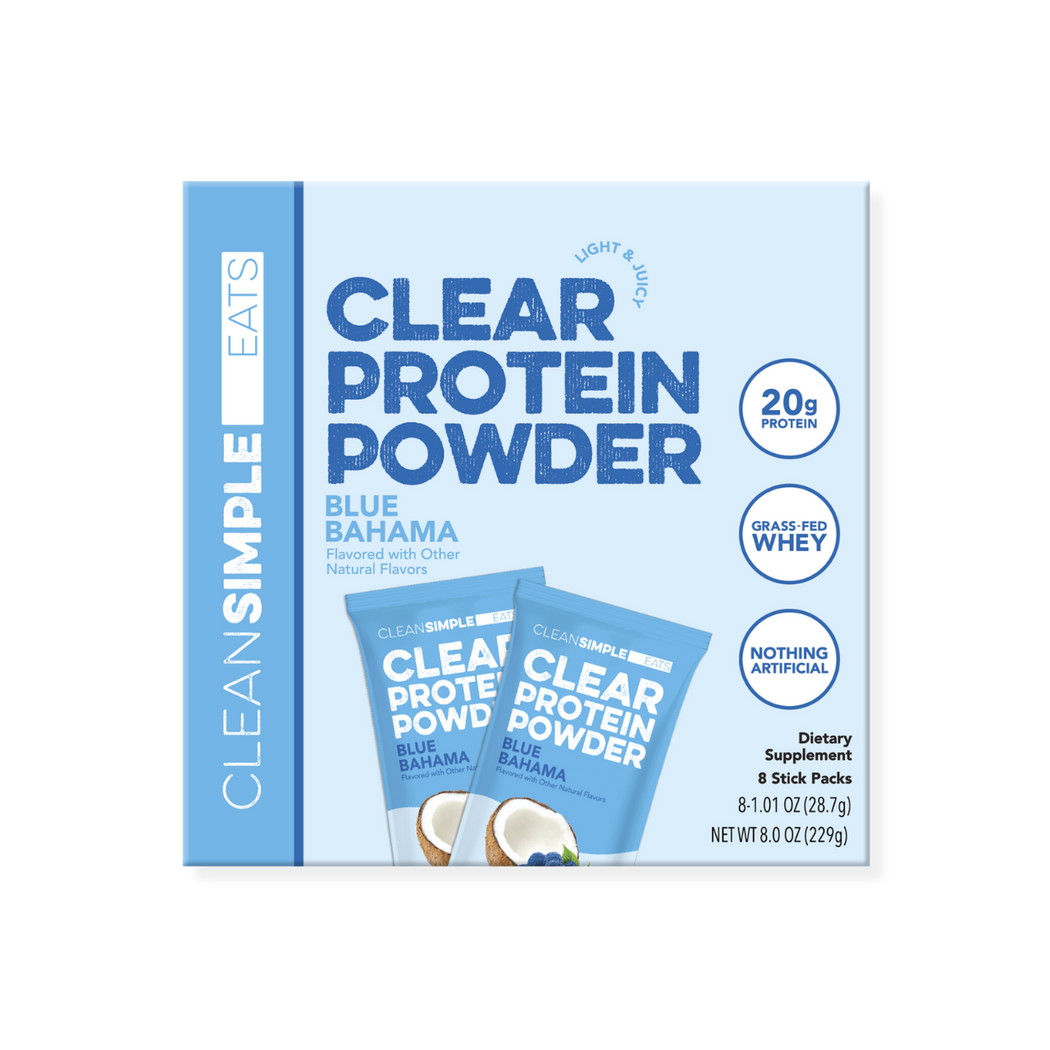
This protein supplement contains high-quality whey protein isolate, which is beneficial for muscle repair and growth. However, the presence of sucralose, an artificial sweetener, and antifoam agents like silicone, which do not contribute nutritional value, detracts from its overall healthiness. Additionally, the use of natural flavors without full transparency can be concerning for consumers seeking clean-label products.
Key ingredients 9
Whey Protein IsolateVery Good
Whey Protein Isolate is a high-quality protein source with a complete amino acid profile, beneficial for muscle repair and growth. It is derived from milk and is highly bioavailable, making it an excellent choice for protein supplementation. Compared to plant-based proteins, it offers superior digestibility and absorption.
Benefits
Provides essential amino acids necessary for muscle recovery and growth, supporting overall health and fitness.
Citric AcidNeutral
Citric Acid is commonly used as a preservative and flavor enhancer in food products. It is generally recognized as safe and is naturally found in citrus fruits. While it is widely used, excessive consumption can lead to dental erosion.
Risks
Excessive consumption may contribute to dental erosion due to its acidic nature.
Benefits
Acts as a preservative and flavor enhancer, extending shelf life and improving taste.
L-Malic AcidNeutral
L-Malic Acid is used to enhance flavor and is naturally occurring in many fruits. It is considered safe for consumption and is often used in food and beverage products. It contributes to the tartness and flavor profile without significant health concerns.
Benefits
Enhances flavor and provides a tart taste, commonly used in food products.
Fermented Sugarcane (Reb-M)Neutral
Reb-M is a steviol glycoside derived from fermented sugarcane, used as a natural sweetener. It provides sweetness without calories, making it a popular choice for low-calorie products. It is considered safe and does not significantly impact blood sugar levels.
Benefits
Offers sweetness without calories, suitable for low-calorie and diabetic-friendly products.
Beta Carotene (color)Neutral
Beta Carotene is a natural pigment used for coloring and is a precursor to vitamin A. It is generally safe and can contribute to the dietary intake of vitamin A. However, in supplement form, it primarily serves a cosmetic purpose.
Risks
Excessive intake of beta carotene supplements may lead to carotenemia, a harmless condition causing skin discoloration.
Benefits
Provides natural coloring and can contribute to vitamin A intake, supporting vision and immune health.
Vegetable Juice (color)Neutral
Vegetable Juice is used as a natural coloring agent, providing color without artificial additives. It is derived from vegetables and is generally considered safe. While it adds visual appeal, it does not contribute significant nutritional benefits.
Benefits
Provides natural coloring, enhancing visual appeal without artificial additives.
Natural FlavorsBad
Natural Flavors are often used to enhance taste but can be a catch-all term for a variety of substances, some of which may not be disclosed. The lack of transparency can be concerning for consumers seeking to avoid certain additives. They do not contribute nutritional value and may include allergens or other unwanted compounds.
Risks
Potential allergens or undisclosed additives may be present, posing a risk to sensitive individuals.
Antifoam (Silicone)Bad
Antifoam agents like silicone are used to reduce foaming during processing but do not offer nutritional benefits. Their presence in food products can be concerning due to potential chemical residues. While generally recognized as safe, they are unnecessary in a clean-label product.
Risks
Potential chemical residues may be present, raising concerns about purity and safety.
SucraloseBad
Sucralose is an artificial sweetener used to provide sweetness without calories. While it is approved for use in many countries, concerns exist about its potential impact on gut health and insulin response. It does not contribute to nutritional value and may have long-term health implications.
Risks
Potential impacts on gut microbiota and insulin response are concerns with long-term use.
Benefits
Provides sweetness without calories, useful for reducing sugar intake.
Processing
Ultra-Processed Foods
Get the full breakdown in the Scout appTake Scout shopping
Scan any product to see lab results, healthy alternatives, and your personalized analysis.
Download on theApp Store GET IT ONGoogle Play