



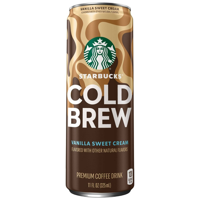



Starbucks Coffee &Protein
Analysis updated August 2026 · How Scout scores
At a glance
Summary
This product contains beneficial ingredients like reduced-fat milk and milk protein isolate, which provide essential nutrients and high-quality protein. However, the presence of sucralose, an artificial sweetener, and natural flavors, which lack transparency, are concerns. The product is also moderately processed with additives like cellulose gel and gum, which slightly impact its overall healthiness.
Key ingredients 12
Milk Protein IsolateGood
Milk protein isolate is a high-quality protein source with a complete amino acid profile. It is beneficial for muscle repair and growth. The isolation process removes most of the lactose, making it suitable for those with lactose sensitivity.
Risks
May cause allergic reactions in individuals with milk allergies.
Benefits
Excellent source of complete protein, aiding in muscle recovery and growth.
CocoaGood
Beneficial ingredient — whole-food or functional value in this product class.
Risks
May contain added sugars or fats in processed forms.
Benefits
Contains antioxidants that may support heart health.
Sea SaltGood
Beneficial ingredient — whole-food or functional value in this product class.
Risks
Excessive sodium intake can lead to hypertension.
Benefits
Provides trace minerals and enhances flavor.
Vitamin D3Good
Beneficial ingredient — whole-food or functional value in this product class.
Risks
Excessive intake can lead to hypercalcemia.
Benefits
Supports bone health and calcium absorption.
Brewed Starbucks CoffeeNeutral
Brewed coffee is a natural source of caffeine, which can enhance alertness and cognitive function. It is a traditional beverage with no significant processing concerns. The caffeine content is moderate and derived from a natural source.
Risks
Excessive caffeine consumption can lead to jitteriness and insomnia.
Benefits
Provides a natural source of antioxidants and can improve mental alertness.
Reduced-fat MilkNeutral
Standard formulation ingredient — neither beneficial nor harmful at typical use.
Risks
Lactose intolerance can cause digestive issues for some individuals.
Benefits
Rich in calcium and vitamin D, supporting bone health and providing high-quality protein.
Soluble Corn FiberNeutral
Soluble corn fiber is used as a dietary fiber supplement to improve digestive health. It is a processed ingredient but generally considered safe. It can help increase fiber intake without adding significant calories.
Risks
Excessive consumption may lead to digestive discomfort.
Benefits
Helps increase dietary fiber intake, supporting digestive health.
Cellulose GelNeutral
Cellulose gel is used as a thickening agent and is derived from plant fibers. It is generally considered safe and adds texture to products. It is a non-digestible fiber that passes through the digestive system.
Benefits
Adds texture and bulk without adding calories.
Cellulose GumNeutral
Cellulose gum is a thickening and stabilizing agent derived from plant fibers. It is widely used in food products and considered safe. It helps maintain texture and consistency in processed foods.
Benefits
Helps stabilize and thicken products without adding calories.
Vitamin A PalmitateNeutral
Vitamin A palmitate is a synthetic form of vitamin A used to fortify foods. It is important for vision and immune function. The synthetic form is stable and effective in fortification.
Risks
Excessive intake can lead to hypervitaminosis A.
Benefits
Supports vision and immune health.
Natural FlavorsBad
Natural flavors are a catch-all term for flavoring agents derived from natural sources but can be heavily processed. They lack transparency in terms of specific ingredients used. The processing and lack of disclosure can be concerning for those with allergies or sensitivities.
Risks
Potential allergen risk due to undisclosed ingredients.
SucraloseBad
Sucralose is an artificial sweetener used to provide sweetness without calories. It is heavily processed and may affect gut health. Some studies suggest it may alter glucose and insulin levels.
Risks
Potential impact on gut microbiota and glucose metabolism.
Benefits
Provides sweetness without adding calories.
Processing
Ultra-Processed Foods
Get the full breakdown in the Scout appTake Scout shopping
Scan any product to see lab results, healthy alternatives, and your personalized analysis.
Download on theApp Store GET IT ONGoogle Play