



At a glance
Summary
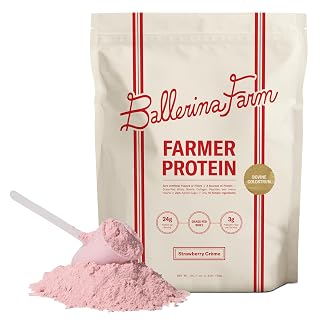
This protein powder features high-quality ingredients like whey protein isolate and collagen peptides, which are beneficial for muscle repair and joint health. It includes natural colorants and phytonutrient blends, adding antioxidant benefits without artificial dyes. However, the presence of natural flavors and sunflower lecithin, which are processed additives, slightly detracts from its overall formulation quality.
Key ingredients 13
Whey Protein IsolateVery Good
Whey protein isolate is a high-quality protein source with a complete amino acid profile. It is derived from milk and is highly bioavailable, making it an excellent choice for muscle repair and growth. Compared to plant-based proteins, it offers superior digestibility and absorption.
Benefits
Rich in essential amino acids, it supports muscle recovery and growth.
Collagen PeptidesGood
Collagen peptides are derived from animal sources and support skin, joint, and bone health. They are hydrolyzed for better absorption and are known for their role in maintaining skin elasticity and joint function. Compared to other protein sources, they specifically target connective tissue health.
Benefits
Promotes skin elasticity and joint health.
Calcium CitrateGood
Calcium citrate is a highly absorbable form of calcium used to support bone health. It is more easily absorbed than other forms of calcium, especially in individuals with lower stomach acid. It is beneficial for maintaining bone density and preventing osteoporosis.
Benefits
Supports bone health and is easily absorbed.
Beet JuiceGood
Beet juice is a natural coloring agent that also provides antioxidants and nitrates. It is used to add color without artificial dyes and can support cardiovascular health. Compared to synthetic colorants, it offers additional health benefits.
Benefits
Provides natural color and supports cardiovascular health.
Fruit Phytonutrient BlendGood
The fruit phytonutrient blend contains extracts from various fruits, providing antioxidants and phytonutrients. These compounds support overall health and may reduce oxidative stress. The blend offers a diverse range of nutrients from natural sources.
Benefits
Rich in antioxidants and supports overall health.
Vegetable Phytonutrient BlendGood
The vegetable phytonutrient blend includes extracts from various vegetables, offering vitamins, minerals, and antioxidants. These nutrients support immune function and overall health. The blend provides a concentrated source of plant-based nutrients.
Benefits
Provides essential nutrients and supports immune health.
Soluble Corn FiberNeutral
Soluble corn fiber is a prebiotic fiber that can aid in digestive health. It is processed from corn and provides a source of dietary fiber without significantly impacting blood sugar levels. It is often used to increase fiber content in foods without altering taste.
Risks
Excessive consumption may lead to digestive discomfort in some individuals.
Benefits
Supports digestive health by promoting beneficial gut bacteria.
Citric AcidNeutral
Citric acid is a natural preservative and flavor enhancer commonly found in citrus fruits. It is used to add acidity and enhance flavor in food products. While it is generally recognized as safe, it is often synthetically produced for commercial use.
Risks
Excessive consumption may cause dental erosion.
Benefits
Enhances flavor and acts as a preservative.
Malic AcidNeutral
Malic acid is a naturally occurring acid found in fruits like apples and is used to enhance flavor and tartness in foods. It is generally recognized as safe and is often used in combination with other acids to balance flavors. It is synthetically produced for food applications.
Risks
High doses may cause digestive discomfort.
Benefits
Enhances flavor and provides tartness.
Coconut CreamerNeutral
Coconut creamer is a plant-based creamer made from coconut oil and maltodextrin. It provides a creamy texture and flavor without dairy. While it is a source of medium-chain triglycerides, it also contains processed ingredients like maltodextrin.
Risks
Contains maltodextrin, which may affect blood sugar levels.
Benefits
Provides a creamy texture and is a source of medium-chain triglycerides.
SteviaNeutral
Stevia is a natural, zero-calorie sweetener derived from the leaves of the Stevia plant. It is used as a sugar substitute without impacting blood sugar levels. It is generally recognized as safe and does not have the health concerns associated with artificial sweeteners.
Benefits
Provides sweetness without calories or blood sugar impact.
Natural FlavorsBad
Natural flavors are a catch-all term for flavoring agents derived from natural sources but can be highly processed. They lack transparency, making it difficult to assess their true composition and potential health impacts. They are often used to enhance flavor without adding nutritional value.
Risks
Lack of transparency in composition may pose unknown health risks.
Sunflower LecithinBad
Sunflower lecithin is an emulsifier derived from sunflower seeds, used to improve texture and mixability. While it is less processed than soy lecithin, it is still a refined product with minimal nutritional value. It is often used in processed foods to maintain consistency.
Risks
May contain trace amounts of solvents used in extraction.
Processing
Ultra-Processed Foods
Get the full breakdown in the Scout appTake Scout shopping
Scan any product to see lab results, healthy alternatives, and your personalized analysis.
Download on theApp Store GET IT ONGoogle Play