
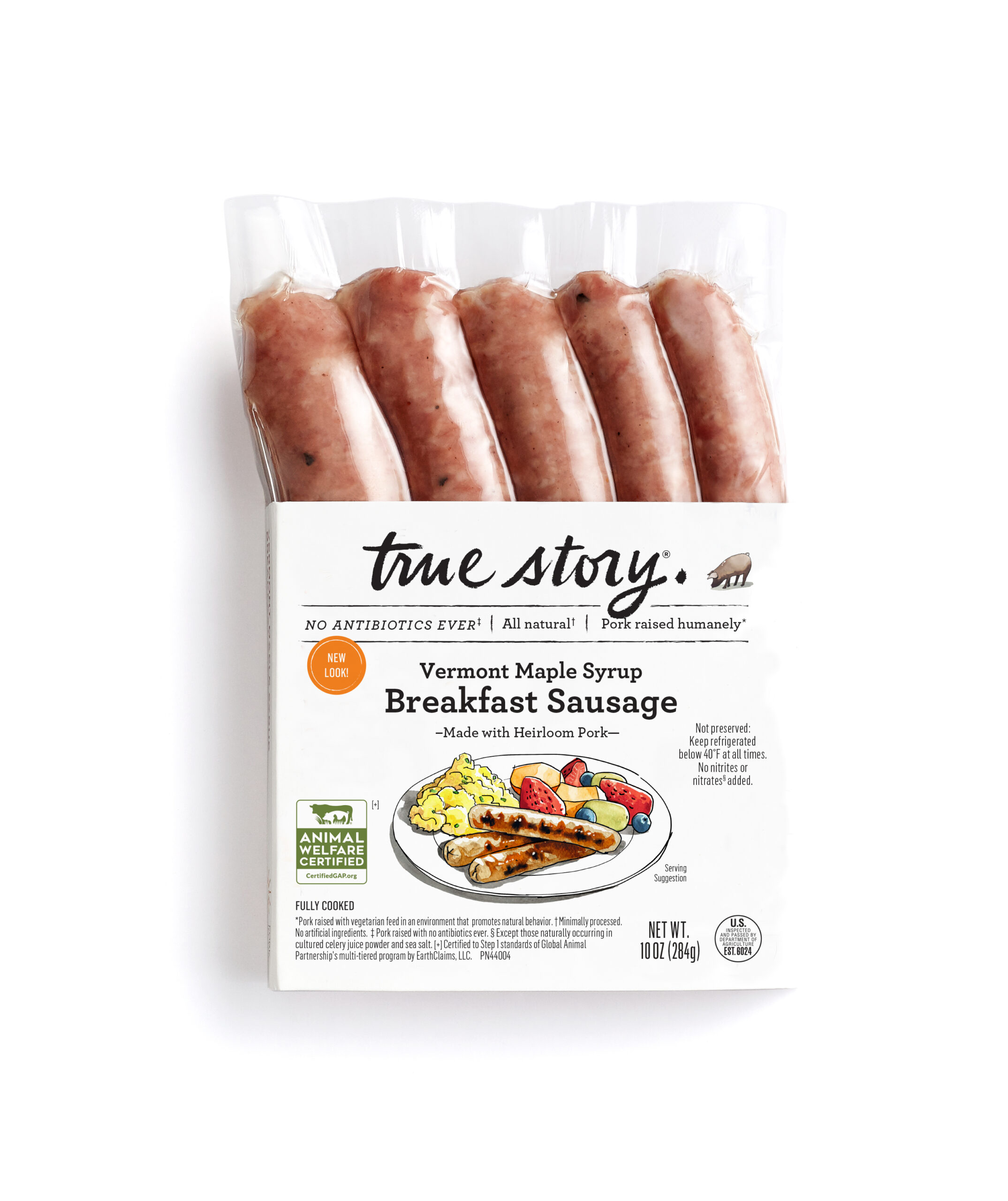
Honey maple ham
Summary
This honey maple ham features a relatively clean ingredient list with natural sweeteners like honey and organic maple syrup, and no artificial additives or seed oils. The presence of pork as a primary ingredient provides a good source of protein. However, the product is processed, which limits its score despite the absence of harmful ingredients.
At a glance
Key ingredients 7
PorkGood
Pork is a high-quality source of protein and essential nutrients. It provides a rich amino acid profile necessary for muscle maintenance and repair. The quality of pork can vary based on farming practices, with pasture-raised options being more beneficial.
Risks
Potential risks include high saturated fat content and the presence of antibiotics if not sourced from quality farms.
Benefits
Rich in protein and essential vitamins like B12, which supports energy metabolism and neurological function.
WaterNeutral
Water is used as a processing aid and does not contribute nutritional value. It helps in maintaining moisture in processed meats. There are no health concerns associated with water as an ingredient.
See more about Water →HoneyGood
Honey is a natural sweetener with antioxidant properties. It contains trace amounts of vitamins and minerals and can provide a healthier alternative to refined sugars. The quality of honey can vary, with raw and unprocessed forms being more beneficial.
Risks
Excessive consumption can lead to increased calorie intake and potential blood sugar spikes.
Benefits
Contains antioxidants that may support immune function and provide anti-inflammatory effects.
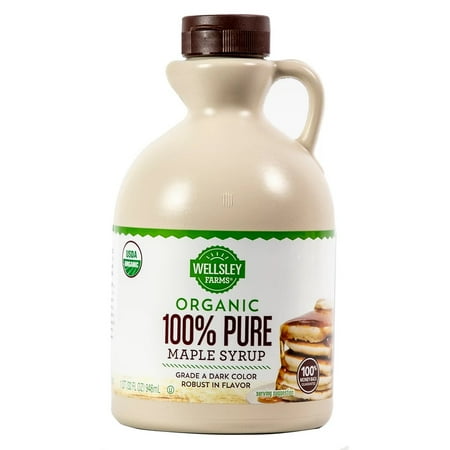
Organic Maple SyrupGood
Organic maple syrup is a natural sweetener with a unique flavor profile and contains some minerals like manganese and zinc. Being organic, it is free from synthetic pesticides and fertilizers. It is a better alternative to refined sugars due to its trace nutrient content.
Risks
High sugar content can contribute to increased calorie intake and potential blood sugar spikes if consumed in excess.
Benefits
Provides trace minerals and antioxidants, offering a more natural sweetening option compared to refined sugars.
Organic Brown SugarNeutral
Organic brown sugar is minimally processed and retains some molasses, giving it a slightly higher mineral content than white sugar. Being organic, it is produced without synthetic chemicals. It is still a sugar and should be consumed in moderation.
Risks
High sugar content can contribute to weight gain and increased risk of metabolic disorders if consumed excessively.
Benefits
Provides a small amount of minerals like calcium and potassium due to the presence of molasses.
Sea SaltGood
Unrefined sea salt — a minimally processed, natural source of sodium and essential trace minerals, and a legitimate whole-food seasoning. Treated as a positive ingredient.
Risks
Excessive sodium intake can lead to hypertension and cardiovascular issues.
Benefits
Provides essential electrolytes that are important for maintaining fluid balance and nerve function.
Celery PowderNeutral
Celery powder is often used as a natural preservative due to its nitrate content. It is derived from celery and can be considered a cleaner alternative to synthetic nitrates. The nitrates in celery powder can convert to nitrites, which help preserve meat.
Risks
Potential conversion of nitrates to nitrosamines, which are linked to cancer risk, especially when consumed in large amounts.
Benefits
Acts as a natural preservative and can enhance the flavor of meats without synthetic additives.
Processing
Processed Foods
Get the full breakdown in the Scout app
Scan any product to see lab results, healthy alternatives, and your personalized analysis.
Download on theApp Store