

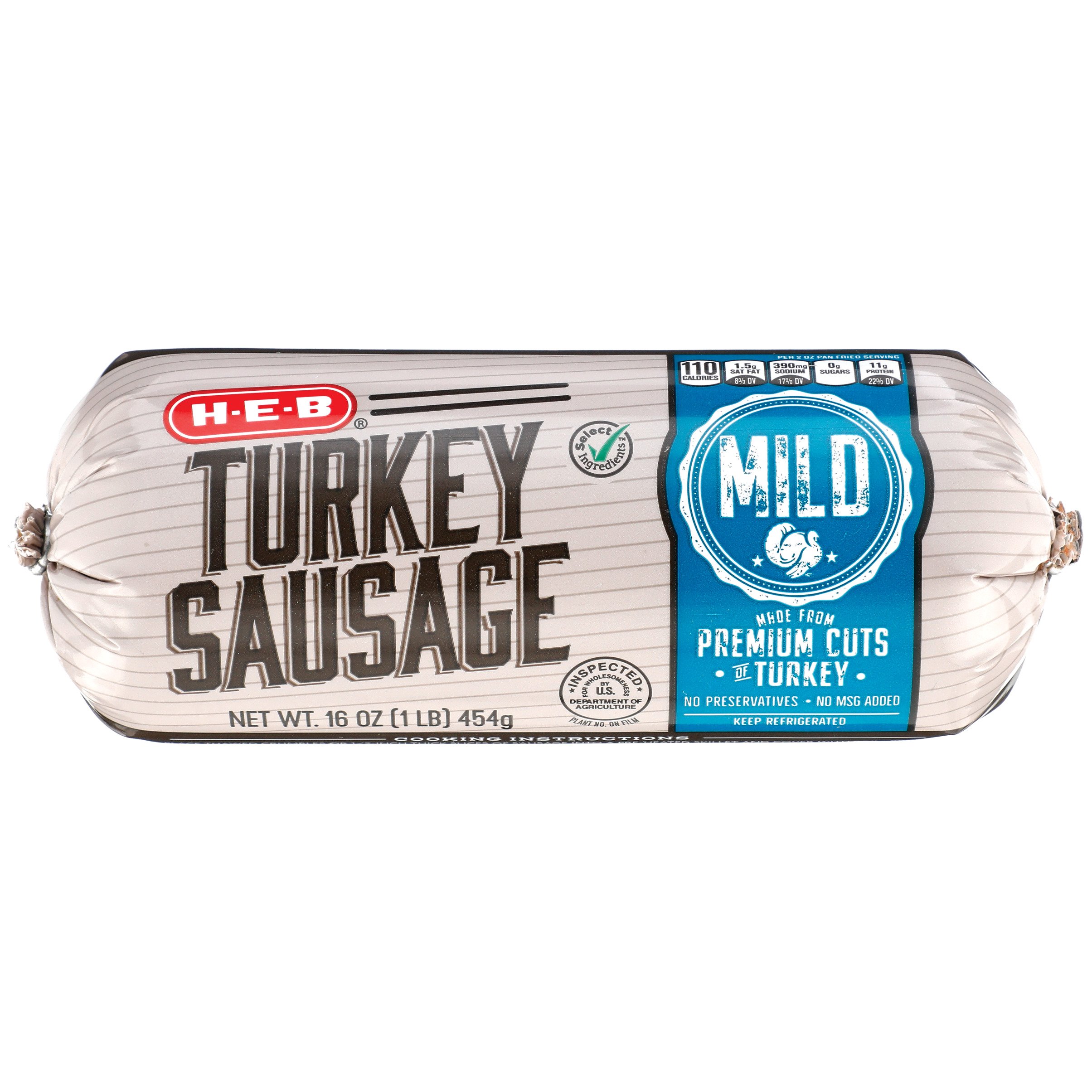


Breakfast Burrito Turkey Sausage
Analysis updated June 2026 · How Scout scores
At a glance
Summary
This breakfast burrito contains beneficial ingredients like turkey meat, whole eggs, and organic whole wheat flour, which provide protein and essential nutrients. However, the presence of processed seed oils such as soybean and canola oil, which are high in omega-6 fatty acids, contributes to inflammation and detracts from the overall healthiness of the product. The product's processing level further limits its score, as it includes multiple processed ingredients and additives.
Key ingredients 13
Turkey MeatGood
Turkey meat is a lean source of protein, providing essential amino acids. It is lower in fat compared to other meats, making it a healthier option. The protein content supports muscle maintenance and growth.
Benefits
Rich in protein and low in fat, supporting muscle health and weight management.
Whole EggsGood
Whole eggs are a complete protein source with all essential amino acids. They contain important nutrients like choline and vitamin D. Eggs support brain health and provide high-quality protein.
Risks
Some individuals may have allergies to eggs.
Benefits
Provides high-quality protein and essential nutrients like choline, beneficial for brain health.
Whole MilkGood
Whole milk is a source of calcium and vitamin D, important for bone health. It contains healthy fats and proteins. The nutrients in milk support overall health and development.
Risks
Lactose intolerance can cause digestive issues in some individuals.
Benefits
Rich in calcium and vitamin D, supporting bone health and providing essential nutrients.
Cheese CulturesGood
Cheese cultures are used in the fermentation process to develop flavor and texture in cheese. They contribute beneficial bacteria that can support gut health. The fermentation process enhances the nutritional profile of cheese.
Benefits
Supports gut health through beneficial bacteria and enhances cheese flavor.
Organic Whole Wheat FlourGood
Organic whole wheat flour is a source of dietary fiber and essential nutrients. It is less processed than white flour, retaining more nutrients. The fiber content aids in digestion and supports heart health.
Risks
Contains gluten, which can be problematic for individuals with celiac disease or gluten sensitivity.
Benefits
Provides dietary fiber and essential nutrients, supporting digestion and heart health.
SpicesGood
Whole-food seasonings, antioxidant-bearing.
Benefits
May provide antioxidants and anti-inflammatory benefits depending on the spice.
Jalapeño PeppersGood
Jalapeño peppers add flavor and heat to dishes and are a source of vitamins A and C. They contain capsaicin, which may have metabolism-boosting properties. The peppers contribute to the overall flavor profile of the product.
Risks
May cause digestive discomfort in sensitive individuals.
Benefits
Rich in vitamins and capsaicin, which may boost metabolism and provide antioxidant benefits.
Garlic PowderGood
Garlic powder is used for flavoring and has potential health benefits. It contains compounds that may support heart health and have antimicrobial properties. The powder form provides convenience while retaining some beneficial compounds.
Benefits
May support heart health and provide antimicrobial benefits.
SaltNeutral
Salt is used as a seasoning and preservative in foods. It is essential for maintaining fluid balance and nerve function. However, excessive consumption can lead to health issues like hypertension.
Risks
Excessive salt intake can lead to high blood pressure and cardiovascular issues.
Benefits
Essential for fluid balance and nerve function in moderation.
Corn StarchNeutral
Corn starch is used as a thickening agent in foods. It is a refined carbohydrate with minimal nutritional value. It provides texture and consistency to food products.
See more about Corn Starch →VinegarNeutral
Vinegar is used for flavoring and as a preservative. It can aid in digestion and has antimicrobial properties. The acidity of vinegar can enhance the flavor profile of foods.
Benefits
May aid in digestion and provide antimicrobial benefits.
Soybean OilVery Bad
Soybean oil is a seed oil high in omega-6 fatty acids, which can promote inflammation. It is often highly processed and refined. The high omega-6 content can disrupt the omega-3 to omega-6 balance in the diet.
Risks
High omega-6 content may promote inflammation when consumed in excess.
Canola OilVery Bad
Canola oil is a seed oil that is often highly processed and refined. It contains a high level of omega-6 fatty acids, which can contribute to inflammation. The processing methods can also lead to the presence of trans fats.
Risks
High omega-6 content and potential trans fats may promote inflammation and other health issues.
Processing
Processed Foods
Get the full breakdown in the Scout appTake Scout shopping
Scan any product to see lab results, healthy alternatives, and your personalized analysis.
Download on theApp Store GET IT ONGoogle Play