



At a glance
Summary
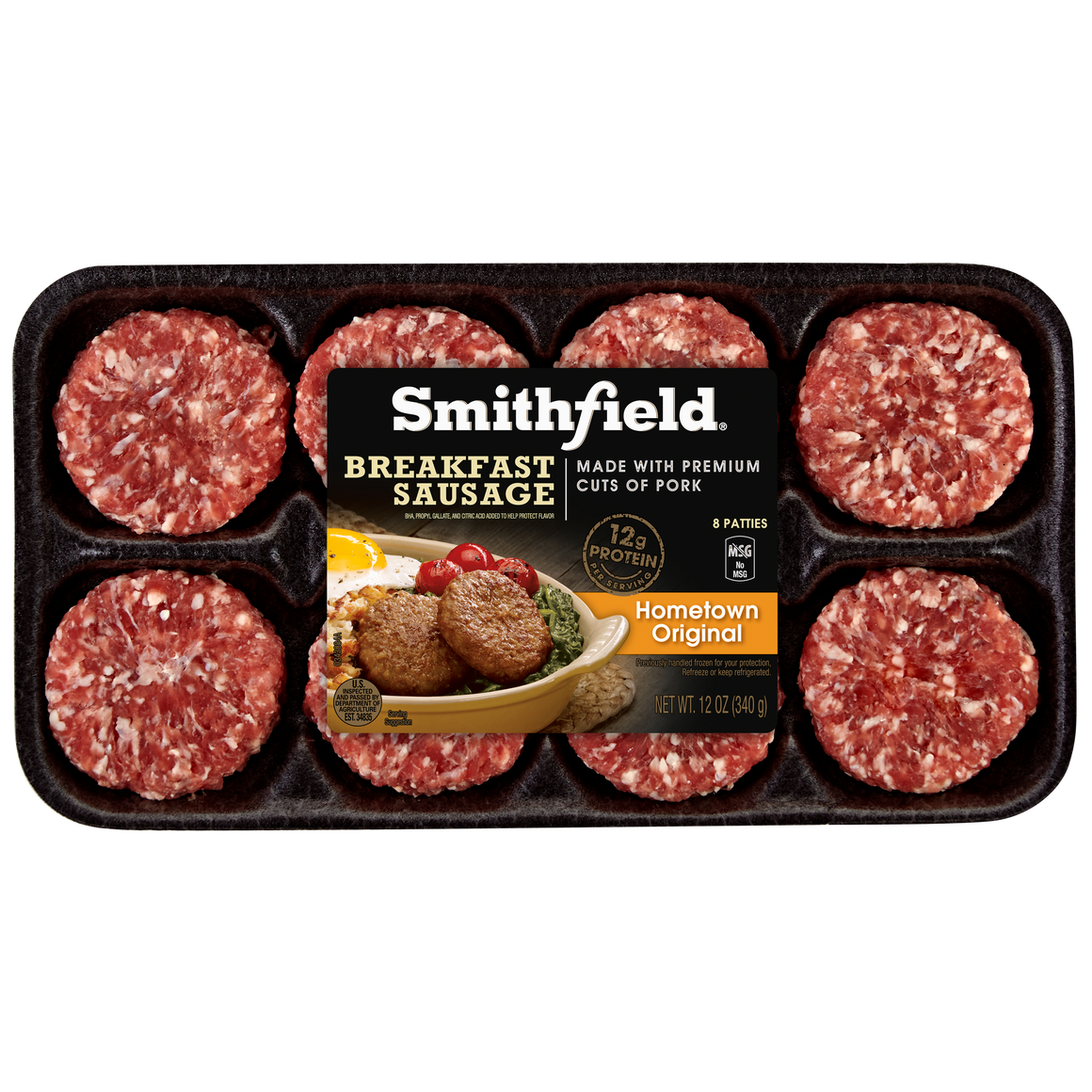
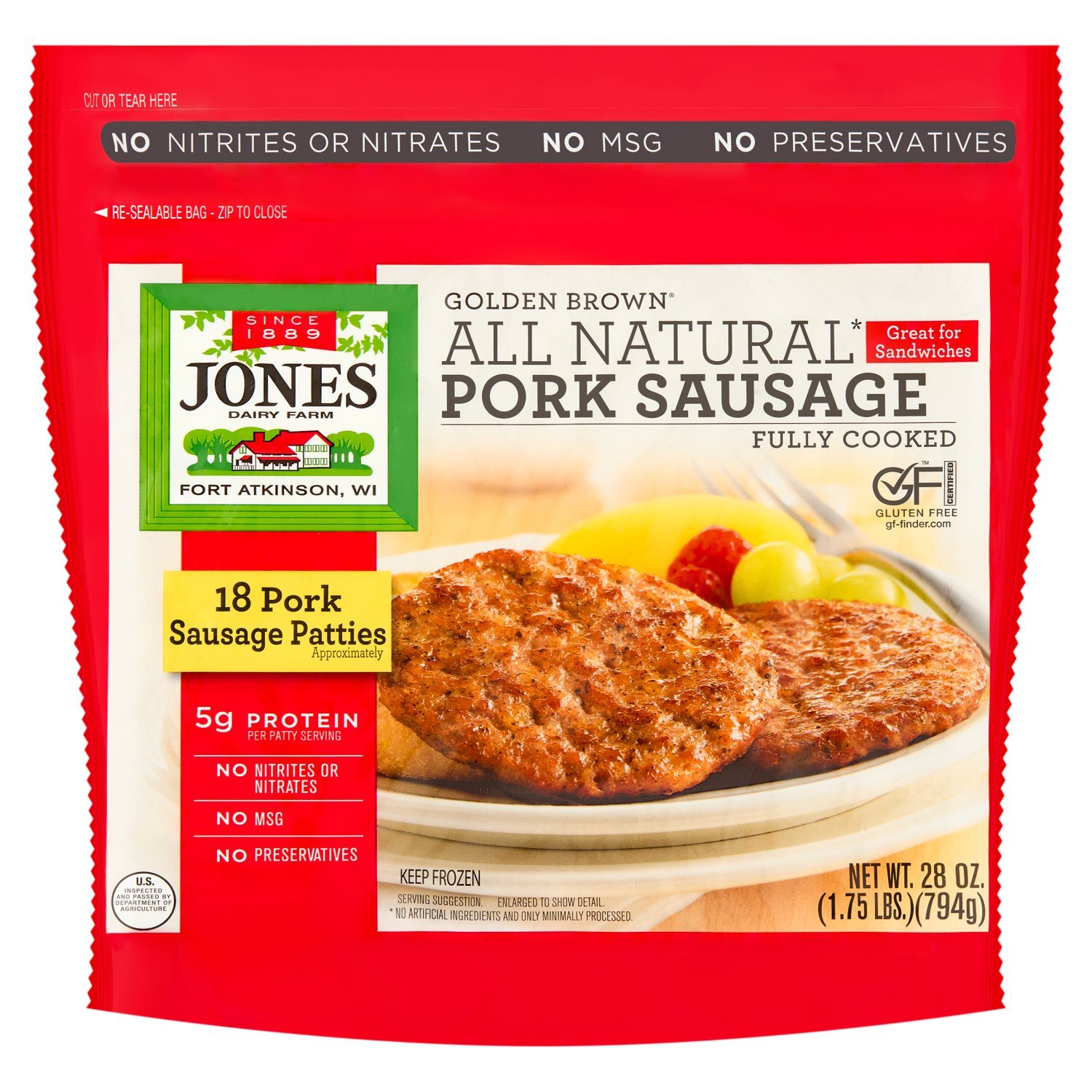
The breakfast sausage patties are processed and contain natural flavors, which are additives that lack transparency and may include potential allergens. While the ingredient list is relatively short, the presence of natural flavors and the processing level limit the healthiness of the product. Additionally, the brand's poor ethical and environmental track record further impacts the overall assessment.
Key ingredients 5
PorkNeutral
Pork is a source of protein and essential nutrients. The quality of pork can vary based on the animal's diet and living conditions. Conventional pork may contain higher levels of saturated fats compared to leaner meats.
Risks
Excessive consumption of pork, especially processed forms, may increase the risk of heart disease due to high saturated fat content.
Benefits
Pork provides essential nutrients such as protein, B vitamins, and minerals like zinc and iron.
SaltNeutral
Salt is used as a seasoning and preservative in many foods. It is a refined form of sodium chloride without additional trace minerals. Excessive salt intake can lead to health issues such as hypertension.
Risks
High sodium intake is associated with increased risk of hypertension and cardiovascular diseases.
Benefits
Salt enhances flavor and is necessary for maintaining fluid balance and nerve function.
WaterNeutral
Water is used as a processing aid and does not contribute nutritional value. It is essential for hydration and various bodily functions. In processed foods, water is often used to adjust texture and consistency.
Benefits
Water is essential for hydration and supports various physiological functions.
Natural FlavorsBad
Natural flavors are additives used to enhance taste, derived from natural sources but processed. They lack transparency in terms of specific ingredients and potential allergens. The term 'natural' does not guarantee health benefits or minimal processing.
Risks
Potential allergens and lack of transparency in ingredient sourcing may pose risks for sensitive individuals.
DextroseBad
Refined added sugar.
Risks
Excessive consumption can lead to blood sugar spikes and contribute to metabolic disorders.
Benefits
Provides quick energy but should be consumed in moderation to avoid negative health impacts.
Processing
Processed Foods
Get the full breakdown in the Scout appTake Scout shopping
Scan any product to see lab results, healthy alternatives, and your personalized analysis.
Download on theApp Store GET IT ONGoogle Play