



At a glance
Summary
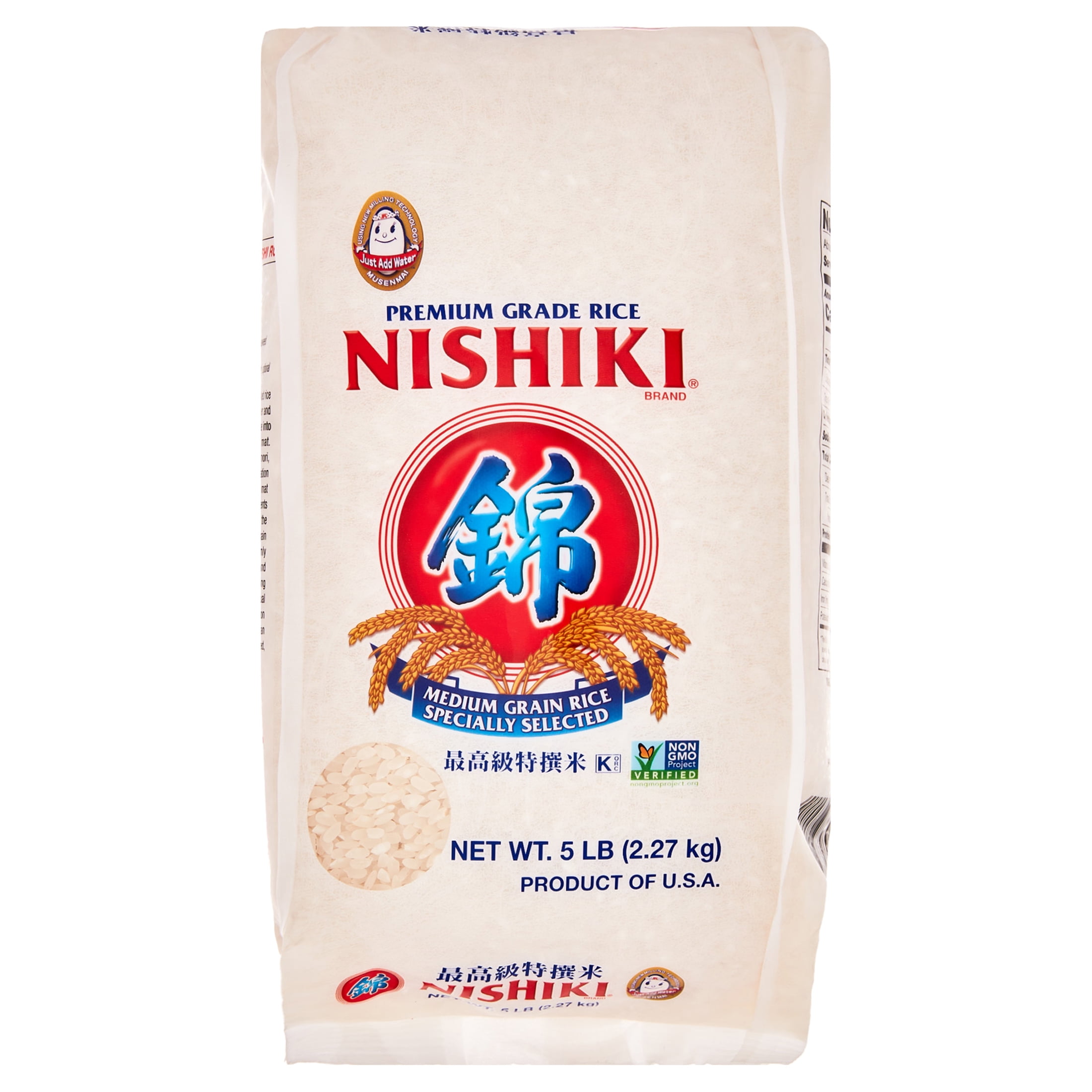
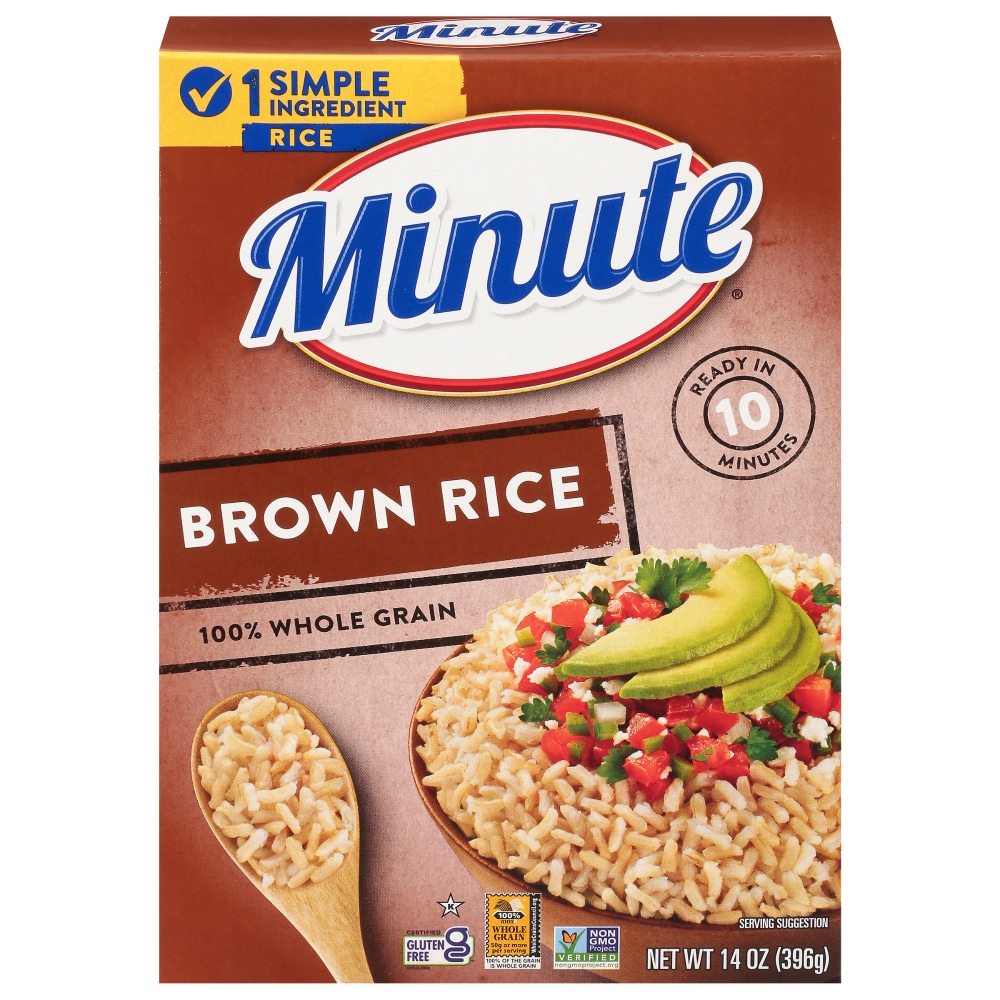
Enriched Long Grain Rice is a processed food that includes added nutrients such as iron, niacin, thiamin, and folic acid, which enhance its nutritional profile. However, the processing level limits its score, as it is not a whole food. Despite this, the absence of harmful additives or seed oils contributes positively to its rating.
Key ingredients 5
NiacinGood
Beneficial ingredient — whole-food or functional value in this product class.
See more about Niacin →Long grain riceNeutral
Long grain rice is a common staple food that provides energy and carbohydrates, making it a neutral ingredient in nutrition.
See more about Long grain rice →Iron (ferric orthophosphate)Neutral
Iron in this form helps prevent deficiencies and supports healthy blood function without adverse effects.
See more about Iron (ferric orthophosphate) →Thiamin mononitrateNeutral
Thiamin (Vitamin B1) aids in energy production and nerve function, contributing to overall health.
See more about Thiamin mononitrate →Folic acidNeutral
Folic acid is important for cell growth and development, especially during pregnancy, and is added to enrich the product.
See more about Folic acid →Processing
Processed Foods
Get the full breakdown in the Scout appTake Scout shopping
Scan any product to see lab results, healthy alternatives, and your personalized analysis.
Download on theApp Store GET IT ONGoogle Play