
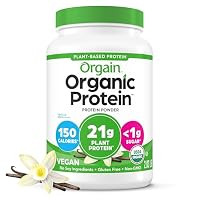
Orgain Protein Shakes

Orgain
65 Fair
$29.94 · 11 fl oz · pack of 12
View on Amazon
Verified Amazon match

Summary

Orgain Protein Shakes contain a high-quality dairy protein blend, which is beneficial for muscle repair and growth. However, the presence of organic high oleic sunflower oil, a processed seed oil, and natural flavors, which lack transparency, detracts from the overall ingredient quality. The product also includes several additives, contributing to a higher level of processing, which impacts its healthiness score.

At a glance

Beneficial ingredients 2
Harmful ingredients 2
Owned by Nestlé Health Science
Category Protein Powders

Key ingredients 14

Filtered Water
Neutral

Filtered water is used as a base for the shake, providing hydration without any calories or nutrients. It is a neutral ingredient with no significant health impacts. It serves as a solvent for other ingredients.

See more about Filtered Water →
Dairy Protein Blend
Good

The dairy protein blend, consisting of milk protein isolate and concentrate, provides a high-quality source of protein with a complete amino acid profile. These proteins are derived from milk and are beneficial for muscle repair and growth. They are minimally processed compared to other protein sources.

Risks

May cause digestive issues for individuals with lactose intolerance or milk allergies.

Benefits

Rich in essential amino acids, supporting muscle health and recovery.

Organic Alkalized Cocoa
Neutral

Organic alkalized cocoa is used for flavoring and provides a rich chocolate taste. The alkalization process reduces acidity and bitterness but may reduce some antioxidant content. Being organic, it avoids pesticide residues.

Benefits

Provides flavor and some antioxidants, though reduced by processing.

See more about Organic Alkalized Cocoa →
Organic High Oleic Sunflower Oil
Very Bad

Organic high oleic sunflower oil is a seed oil high in omega-6 fatty acids, which can promote inflammation if consumed in excess. Despite being organic, it is still a processed oil with potential health concerns. The high oleic content offers more monounsaturated fats, but the overall impact remains negative.

Risks

High omega-6 content may promote inflammation when consumed in excess.

Benefits

Rich in monounsaturated fats that support heart health and provide anti-inflammatory properties.

See more about Organic High Oleic Sunflower Oil →
Sunflower Lecithin
Neutral

Sunflower lecithin is used as an emulsifier to improve texture and mixability. It is derived from sunflower seeds and is considered a natural alternative to soy lecithin. It is generally recognized as safe and has no significant health impacts.

Benefits

May support brain health due to phospholipid content.

See more about Sunflower Lecithin →
Sea Salt
Good

Unrefined sea salt — a minimally processed, natural source of sodium and essential trace minerals, and a legitimate whole-food seasoning. Treated as a positive ingredient.

Risks

Excessive sodium intake can lead to hypertension and cardiovascular issues.

Benefits

Provides essential sodium and trace minerals.

See more about Sea Salt →
Monk Fruit Extract
Neutral

Monk fruit extract is a natural sweetener with zero calories, used to provide sweetness without sugar. It is derived from the monk fruit and is considered safe for consumption. It does not impact blood sugar levels.

Benefits

Provides sweetness without calories or blood sugar impact.

See more about Monk Fruit Extract →
Reb M (Stevia Extract)
Neutral

Reb M is a highly purified stevia extract used as a natural sweetener. It provides sweetness without calories and is derived from the stevia plant. It is considered safe and does not affect blood sugar levels.

Benefits

Offers a natural, zero-calorie sweetening option.

Sodium Citrate
Neutral

Sodium citrate is used as an acidity regulator and stabilizer in food products. It is a salt of citric acid and is generally recognized as safe. It helps maintain the product's pH balance.

Benefits

Helps stabilize the product and maintain pH balance.

See more about Sodium Citrate →
Natural Flavors
Bad

Natural flavors are used to enhance taste but can be a catch-all term for various additives. They are often highly processed and lack transparency regarding their composition. This lack of clarity can be concerning for consumers seeking clean labels.

Risks

Potential for undisclosed additives and allergens.

Benefits

Enhances flavor without adding calories.

See more about Natural Flavors →
Cellulose Gel
Neutral

Cellulose gel is used as a thickener and stabilizer, derived from plant fibers. It is considered safe and adds texture to the product. It is a common additive in processed foods.

Benefits

Provides texture and stability to the product.

See more about Cellulose Gel →
Cellulose Gum
Neutral

Cellulose gum is a thickening agent derived from plant fibers, used to improve texture. It is widely used in the food industry and is considered safe. It helps maintain the consistency of the product.

Benefits

Improves texture and consistency of the product.

See more about Cellulose Gum →
Calcium Chloride
Neutral

Calcium chloride is used as a firming agent and to maintain product stability. It is a salt that provides calcium but is primarily used for its functional properties in food processing. It is generally recognized as safe.

Benefits

Contributes to product stability and firmness.

See more about Calcium Chloride →
Gellan Gum
Neutral

Gellan gum is a gelling agent used to stabilize and thicken food products. It is produced by bacterial fermentation and is considered safe for consumption. It helps maintain the product's texture and consistency.

Benefits

Stabilizes and thickens the product, enhancing texture.

See more about Gellan Gum →

Processing

Group 4 · Ultra-processed

Ultra-Processed Foods

Get the full breakdown in the Scout app

Scan any product to see lab results, healthy alternatives, and your personalized analysis.

Download on theApp Store