
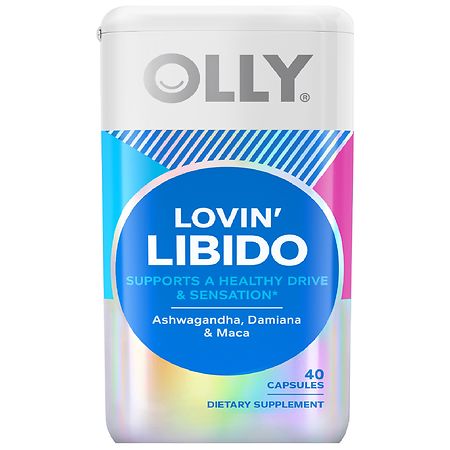

OLLY Lovin' Libido Supplement Capsules with Ashwagandha, Damiana & Maca - 40ct: Gluten-Free, No Artificial Colors, No Artificial Flavors
Analysis updated June 2026 · How Scout scores
At a glance
Summary
This supplement contains beneficial ingredients like KSM-66 Ashwagandha, Damiana, and Maca extracts, which are known for their adaptogenic and libido-enhancing properties. However, the presence of additives such as maltodextrin and magnesium stearate, which are highly processed and may affect nutrient absorption, slightly detracts from its overall quality. Additionally, the use of artificial coloring, although approved, is often viewed negatively due to potential health concerns and lack of nutritional value.
Key ingredients 10
Ania SomniferaGood
Part of KSM-66 Ashwagandha Extract. Ashwagandha is known for its adaptogenic properties, which may help support stress management and overall well-being.
RootGood
Part of KSM-66 Ashwagandha Extract. Ashwagandha is known for its adaptogenic properties, which may help support stress management and overall well-being.
Turnera DiffusaGood
Part of Damiana Extract. Damiana has been traditionally used to support mood and vitality, making it a common ingredient in libido supplements.
LeafGood
Part of Damiana Extract. Damiana has been traditionally used to support mood and vitality, making it a common ingredient in libido supplements.
Lepidium MeyeniiGood
Part of Maca Extract. Maca is often included for its potential to enhance energy and support hormonal balance.
HypromelloseNeutral
Hypromellose is a plant-based compound used as a capsule shell, with no significant health impact.
See more about Hypromellose →Microcrystalline CelluloseNeutral
This is a common filler and binder in supplements, generally considered inert and safe.
See more about Microcrystalline Cellulose →Magnesium StearateNeutral
Used as a flow agent in manufacturing, magnesium stearate is generally recognized as safe.
See more about Magnesium Stearate →Silicon DioxideNeutral
Silicon dioxide is an anti-caking agent that helps prevent clumping in supplements, with no significant health effects.
See more about Silicon Dioxide →MaltodextrinBad
Processed additive flagged under Scout's ingredient doctrine.
See more about Maltodextrin →Processing
Ultra-Processed Foods
Get the full breakdown in the Scout appTake Scout shopping
Scan any product to see lab results, healthy alternatives, and your personalized analysis.
Download on theApp Store GET IT ONGoogle Play