

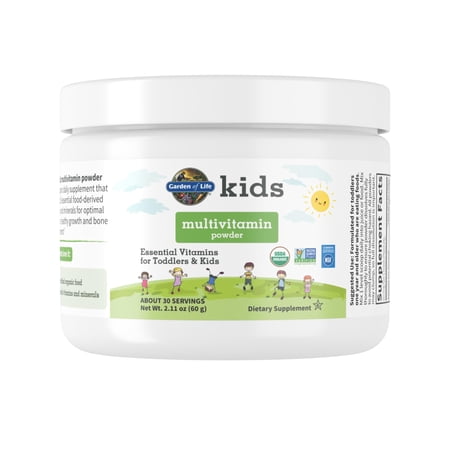

Equate Kids Multivitamin Gummies for General Health Natural Fruit 300 Count
Analysis updated September 2026 · How Scout scores
At a glance
Summary
This multivitamin supplement contains cane sugar and natural flavors, which are processed ingredients that can contribute to health concerns such as increased calorie intake and lack of transparency in flavoring agents. However, it avoids major harmful additives like artificial dyes and sweeteners, and uses natural colorants like black carrot juice concentrate and annatto, which are less concerning. The formulation is relatively clean for a children's gummy vitamin, but the presence of added sugars and natural flavors slightly detracts from its overall healthfulness.
Key ingredients 8
PectinNeutral
Pectin is a natural fiber found in fruits, used as a gelling agent in food products. It is considered neutral as it does not provide significant health benefits or risks in small amounts. Pectin can aid in digestion and is often used to improve the texture of gummy products.
Benefits
May aid in digestion and improve the texture of food products.
Citric AcidNeutral
Citric acid is a natural acid found in citrus fruits, used as a preservative and flavor enhancer. It is considered neutral as it is generally recognized as safe and does not pose significant health risks. It can enhance flavor and preserve the freshness of food products.
Benefits
Enhances flavor and preserves freshness in food products.
Black Carrot Juice ConcentrateNeutral
Part of Colors Added. Colors added from natural sources like black carrot juice concentrate and annatto are used to enhance the visual appeal of products. They are considered neutral as they are derived from natural sources and generally recognized as safe. These natural colorants are preferable to artificial dyes.
Benefits
Enhance visual appeal without the risks associated with artificial dyes.
AnnattoNeutral
Part of Colors Added. Colors added from natural sources like black carrot juice concentrate and annatto are used to enhance the visual appeal of products. They are considered neutral as they are derived from natural sources and generally recognized as safe. These natural colorants are preferable to artificial dyes.
Benefits
Enhance visual appeal without the risks associated with artificial dyes.
Sodium CitrateNeutral
Sodium citrate is a salt of citric acid used as an acidity regulator and preservative. It is considered neutral as it is generally recognized as safe and does not pose significant health risks. It helps maintain the stability and flavor of food products.
Benefits
Helps maintain stability and flavor in food products.
Cane SugarBad
Cane sugar is classified as bad due to its high glycemic index, which can lead to spikes in blood sugar levels. It is a refined sugar with no significant nutritional benefits and can contribute to obesity and dental issues. Excessive consumption of sugar is linked to various health problems, including metabolic syndrome and type 2 diabetes.
Risks
High intake of cane sugar can increase the risk of obesity, type 2 diabetes, and dental cavities.
Tapioca SyrupBad
Processed additive flagged under Scout's ingredient doctrine.
Risks
Excessive consumption can contribute to high sugar intake and related health issues.
Benefits
Provides a source of carbohydrates, but no significant nutritional benefits.
Natural FlavorsBad
Natural flavors are a catch-all term for flavoring agents derived from natural sources but can be highly processed. They are considered bad due to the lack of transparency and potential for containing additives or allergens. The term 'natural' does not guarantee the absence of synthetic chemicals or processing.
Risks
Potential for containing additives or allergens, and lack of transparency in ingredient sourcing.
Processing
Ultra-Processed Foods
Get the full breakdown in the Scout appTake Scout shopping
Scan any product to see lab results, healthy alternatives, and your personalized analysis.
Download on theApp Store GET IT ONGoogle Play