

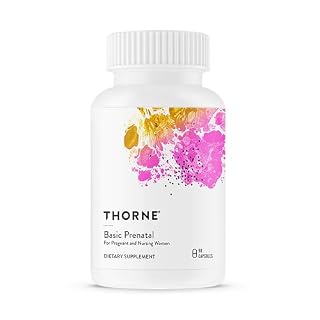
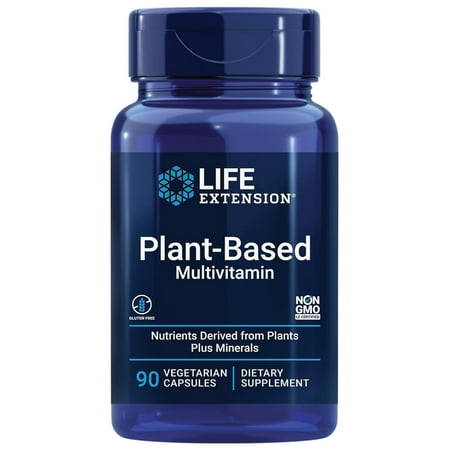
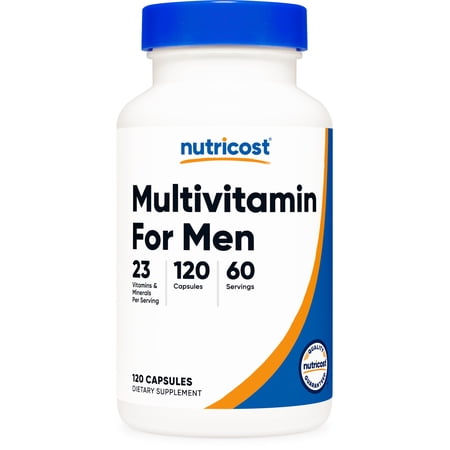
NEW Vitafol Ultra 30 200mg Softgel Capsules DHA Prenatal Supplement
Analysis updated September 2026 · How Scout scores
At a glance
Summary
This prenatal supplement contains beneficial ingredients such as DHA, vitamin D3, and vitamin C, which are important for fetal development and maternal health. However, the presence of soybean oil and sunflower oil, both high in omega-6 fatty acids, along with artificial dye FD&C Blue #1, raises concerns due to their potential inflammatory effects and synthetic nature. The inclusion of these processed ingredients detracts from the overall healthfulness of the product.
Key ingredients 31
Docosahexaenoic AcidVery Good
Docosahexaenoic acid (DHA) is an omega-3 fatty acid crucial for brain and eye development, especially in prenatal supplements. It is typically derived from fish oil and is known for its anti-inflammatory properties. DHA is essential for fetal brain development and maternal health during pregnancy.
Benefits
Supports brain and eye development in fetuses and reduces inflammation.
CholecalciferolVery Good
Cholecalciferol, or vitamin D3, is essential for calcium absorption and bone health. It is the preferred form of vitamin D due to its superior bioavailability. Vitamin D3 supports bone health and immune function.
Benefits
Enhances calcium absorption and supports bone health.
IronVery Good
Iron is a vital mineral necessary for oxygen transport and energy production. It is crucial for the formation of hemoglobin and myoglobin. Iron supports oxygen transport and energy metabolism.
Risks
Excessive iron intake can lead to toxicity and gastrointestinal issues.
Benefits
Essential for oxygen transport and energy production.
Levomefolate CalciumVery Good
Levomefolate calcium is a bioactive form of folate, important for DNA synthesis and methylation. It is more bioavailable than folic acid. Levomefolate supports cardiovascular health and fetal development.
Benefits
Supports cardiovascular health and DNA synthesis.
NiacinamideGood
Niacinamide, a form of vitamin B3, is important for energy metabolism and skin health. It is well-tolerated and does not cause flushing like niacin. Niacinamide supports cellular energy production and DNA repair.
Benefits
Supports energy metabolism and skin health.
Alpha-Tocopherol AcetateGood
Alpha-tocopherol acetate is a form of vitamin E, an antioxidant that protects cells from oxidative damage. It is commonly used in supplements for its stability and effectiveness. Vitamin E supports immune function and skin health.
Benefits
Acts as an antioxidant and supports immune function.
Beta CaroteneGood
Beta carotene is a precursor to vitamin A and acts as an antioxidant. It is converted to vitamin A in the body, supporting vision and immune health. Beta carotene is beneficial for eye health and immune function.
Benefits
Supports vision and acts as an antioxidant.
Ascorbic AcidGood
Ascorbic acid, or vitamin C, is a powerful antioxidant that supports immune function and collagen synthesis. It is essential for the repair of tissues and enzymatic production of certain neurotransmitters. Vitamin C enhances iron absorption and supports immune health.
Benefits
Boosts immune function and enhances iron absorption.
Thiamine MononitrateGood
Thiamine mononitrate is a form of vitamin B1, crucial for energy metabolism and nerve function. It is commonly used in supplements for its stability and effectiveness. Thiamine supports energy production and nerve health.
Benefits
Supports energy metabolism and nerve function.
RiboflavinGood
Riboflavin, or vitamin B2, is important for energy production and cellular function. It is water-soluble and helps convert food into energy. Riboflavin supports energy metabolism and antioxidant protection.
Benefits
Supports energy production and cellular function.
Pyridoxine HydrochlorideGood
Pyridoxine hydrochloride is a form of vitamin B6, essential for protein metabolism and cognitive development. It is involved in the synthesis of neurotransmitters and hemoglobin. Vitamin B6 supports brain health and red blood cell production.
Benefits
Supports protein metabolism and cognitive development.
CyanocobalaminGood
Cyanocobalamin is a synthetic form of vitamin B12, crucial for nerve function and red blood cell formation. It is commonly used in supplements for its stability and effectiveness. Vitamin B12 supports energy production and neurological health.
Benefits
Supports nerve function and red blood cell formation.
Zinc OxideGood
Zinc oxide is a form of zinc, an essential mineral for immune function and wound healing. It is commonly used in supplements for its stability and effectiveness. Zinc supports immune health and skin repair.
Benefits
Supports immune function and wound healing.
Potassium IodideGood
Potassium iodide is a source of iodine, essential for thyroid function and hormone production. It is used in supplements to prevent iodine deficiency. Iodine supports thyroid health and metabolic regulation.
Risks
Excessive iodine intake can lead to thyroid dysfunction.
Benefits
Essential for thyroid function and hormone production.
Magnesium OxideGood
Magnesium oxide is a form of magnesium, important for muscle and nerve function. It is commonly used in supplements for its high magnesium content. Magnesium supports muscle relaxation and energy production.
Risks
High doses can cause gastrointestinal discomfort.
Benefits
Supports muscle and nerve function.
Olive OilGood
Olive oil is rich in monounsaturated fats and antioxidants, supporting heart health and reducing inflammation. It is a high-quality oil often used for its health benefits. Olive oil supports cardiovascular health and provides anti-inflammatory properties.
Benefits
Supports heart health and reduces inflammation.
Cupric OxideNeutral
Cupric oxide is a form of copper, a trace mineral important for iron metabolism and neurological function. It is used in supplements for its stability. Copper supports iron metabolism and neurological health.
Risks
Excessive copper intake can lead to toxicity and liver damage.
Benefits
Supports iron metabolism and neurological function.
Folic AcidNeutral
Standard formulation ingredient — neither beneficial nor harmful at typical use.
Benefits
Supports DNA synthesis and fetal development.
GelatinNeutral
Gelatin is a protein derived from animal collagen, used as a gelling agent in capsules. It is generally considered safe and is used for its structural properties. Gelatin provides no significant nutritional benefits.
Benefits
Provides structural integrity to capsules.
GlycerinNeutral
Glycerin is a sugar alcohol used as a humectant and sweetener in supplements. It is generally recognized as safe and helps maintain moisture. Glycerin provides no significant nutritional benefits.
Benefits
Helps maintain moisture in capsules.
Yellow BeeswaxNeutral
Yellow beeswax is used as a thickening agent and stabilizer in supplements. It is a natural product with no significant health concerns. Beeswax provides no significant nutritional benefits.
Benefits
Acts as a natural stabilizer in supplements.
SorbitolNeutral
Sorbitol is a sugar alcohol used as a sweetener and humectant in supplements. It is generally recognized as safe but can cause gastrointestinal discomfort in large amounts. Sorbitol provides no significant nutritional benefits.
Risks
May cause gastrointestinal discomfort in large amounts.
Benefits
Acts as a sweetener and humectant.
Purified WaterNeutral
Purified water is used as a solvent and carrier in supplements. It is essential for dissolving and distributing active ingredients. Water provides no nutritional benefits but is necessary for product formulation.
Benefits
Essential for dissolving and distributing active ingredients.
Microcrystalline CelluloseNeutral
Microcrystalline cellulose is a refined wood pulp used as a bulking agent in supplements. It is inert and provides no nutritional value. Cellulose is used to add bulk and improve tablet consistency.
Benefits
Provides bulk and improves tablet consistency.
MannitolNeutral
Mannitol is a sugar alcohol used as a sweetener and bulking agent in supplements. It is generally recognized as safe but can cause laxative effects in large amounts. Mannitol provides no significant nutritional benefits.
Risks
May cause laxative effects in large amounts.
Benefits
Acts as a sweetener and bulking agent.
Ethyl VanillinNeutral
Ethyl vanillin is a synthetic flavoring agent used to impart vanilla flavor in supplements. It is generally recognized as safe but provides no nutritional value. Ethyl vanillin is used for flavor enhancement.
Benefits
Enhances flavor in supplements.
Soy LecithinBad
Soy lecithin is an emulsifier derived from soybeans, often used to stabilize and blend ingredients. It is a processed ingredient and may contain traces of soy allergens. Soy lecithin is not recommended due to its processed nature and potential allergenicity.
Risks
May contain traces of soy allergens.
FD&C Blue #1Bad
FD&C Blue #1 is an artificial dye used to color supplements. It is synthetically produced and may cause allergic reactions in sensitive individuals. Artificial dyes are not recommended due to potential health concerns.
Risks
May cause allergic reactions in sensitive individuals.
Soybean OilVery Bad
Soybean oil is a seed oil high in omega-6 fatty acids, which can promote inflammation when consumed in excess. It is heavily processed and often genetically modified. Soybean oil is not recommended due to its inflammatory potential.
Risks
High omega-6 content may promote inflammation when consumed in excess.
Titanium DioxideVery Bad
Heavily flagged ingredient class under Scout's doctrine.
Benefits
Improves the appearance of capsules.
Sunflower OilVery Bad
Sunflower oil is a seed oil high in omega-6 fatty acids, which can promote inflammation when consumed in excess. It is heavily processed and often used as a filler. Sunflower oil is not recommended due to its inflammatory potential.
Risks
High omega-6 content may promote inflammation when consumed in excess.
Processing
Processed Foods
Get the full breakdown in the Scout appTake Scout shopping
Scan any product to see lab results, healthy alternatives, and your personalized analysis.
Download on theApp Store GET IT ONGoogle Play