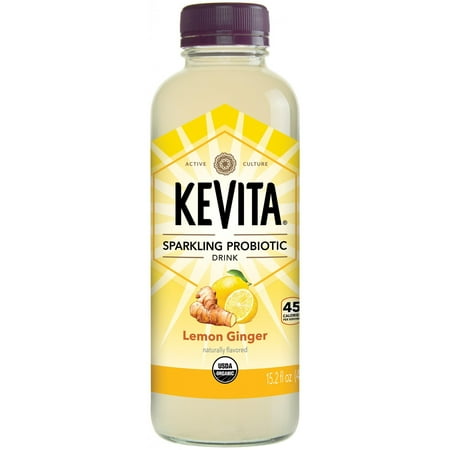
KeVita LEMON GINGER SPARKLING PROBIOTIC DRINK
At a glance
Summary
This probiotic drink features beneficial ingredients like water kefir culture, apple cider vinegar, ginger extract, and Bacillus coagulans, which support gut health and digestion. However, the presence of cane sugar adds unnecessary calories and potential blood sugar spikes, slightly impacting its overall healthiness. Despite being ultra-processed, the drink maintains a clean label with minimal additives, enhancing its appeal as a health-focused beverage.
Key ingredients 10
Bacillus Coagulans GBI-30 6086Very Good
Bacillus coagulans GBI-30 6086 is a probiotic strain that supports gut health and immune function. It is a well-researched strain known for its stability and efficacy in promoting digestive health. Its inclusion enhances the probiotic profile of the drink.
Benefits
Enhances gut health and supports immune function through probiotic activity.
Water Kefir CultureGood
Water kefir culture is a probiotic ingredient that supports gut health by introducing beneficial bacteria. It is a natural fermentation product that can enhance digestive health. The presence of live cultures can improve gut flora balance.
Benefits
Promotes a healthy gut microbiome and may improve digestion and immune function.
Apple Cider VinegarGood
Apple cider vinegar is known for its potential health benefits, including aiding digestion and supporting metabolic health. It is a fermented product that may help with blood sugar regulation. Its acetic acid content is linked to various health benefits.
Risks
Excessive consumption may lead to digestive discomfort or enamel erosion.
Benefits
May aid in digestion, support weight management, and improve insulin sensitivity.
Ginger ExtractGood
Ginger extract is valued for its anti-inflammatory and antioxidant properties. It is a natural ingredient that can aid digestion and reduce nausea. Its bioactive compounds, such as gingerol, contribute to its health benefits.
Benefits
Supports digestive health and may reduce inflammation and nausea.
Sparkling WaterNeutral
Sparkling water is carbonated water that provides hydration without any calories or sugars. It is a neutral ingredient with no significant health impacts. It serves as a base for the drink without contributing any nutritional value.
See more about Sparkling Water →Fig ConcentrateNeutral
Fig concentrate is used for flavor and natural sweetness, contributing to the drink's taste profile. It is a natural ingredient but does not significantly impact the nutritional value of the product. Its use is primarily for flavor enhancement.
Benefits
Provides natural sweetness and flavor without artificial additives.
Lactic AcidNeutral
Lactic acid is used as a preservative and acidity regulator in food products. It is a naturally occurring acid that helps maintain the product's stability and flavor. Its presence is common in fermented foods and beverages.
Benefits
Helps preserve the product and maintain its acidity balance.
Lemon ExtractNeutral
Lemon extract is used for flavoring, providing a natural citrus taste to the drink. It is a natural ingredient that enhances the product's flavor profile. Its use is primarily for taste rather than nutritional benefits.
Benefits
Adds natural citrus flavor without artificial additives.
Fruit And Vegetable JuiceNeutral
Fruit and vegetable juice is used for natural coloring, contributing to the drink's appearance. It is a natural ingredient that does not significantly impact the nutritional value. Its primary role is to enhance visual appeal.
Benefits
Provides natural coloring without synthetic dyes.
Cane SugarBad
Cane sugar is a sweetener that can contribute to increased calorie intake and potential blood sugar spikes. It is a refined sugar with no nutritional benefits and can lead to health issues if consumed in excess. Its presence in the drink adds unnecessary sugars.
Risks
Excessive consumption can lead to weight gain, insulin resistance, and dental issues.
Benefits
Provides quick energy but lacks essential nutrients.
Processing
Ultra-Processed Foods
Get the full breakdown in the Scout appTake Scout shopping
Scan any product to see lab results, healthy alternatives, and your personalized analysis.
Are you KeVita? Fix an error Get the badge Get tested
Amazon pricing & content
Amazon price as of . Product prices and availability are accurate as of the date/time indicated and are subject to change. Any price and availability information displayed on Amazon.com at the time of purchase will apply to the purchase of this product.
CERTAIN CONTENT THAT APPEARS ON THIS SITE COMES FROM AMAZON. THIS CONTENT IS PROVIDED “AS IS” AND IS SUBJECT TO CHANGE OR REMOVAL AT ANY TIME.