


At a glance
Summary
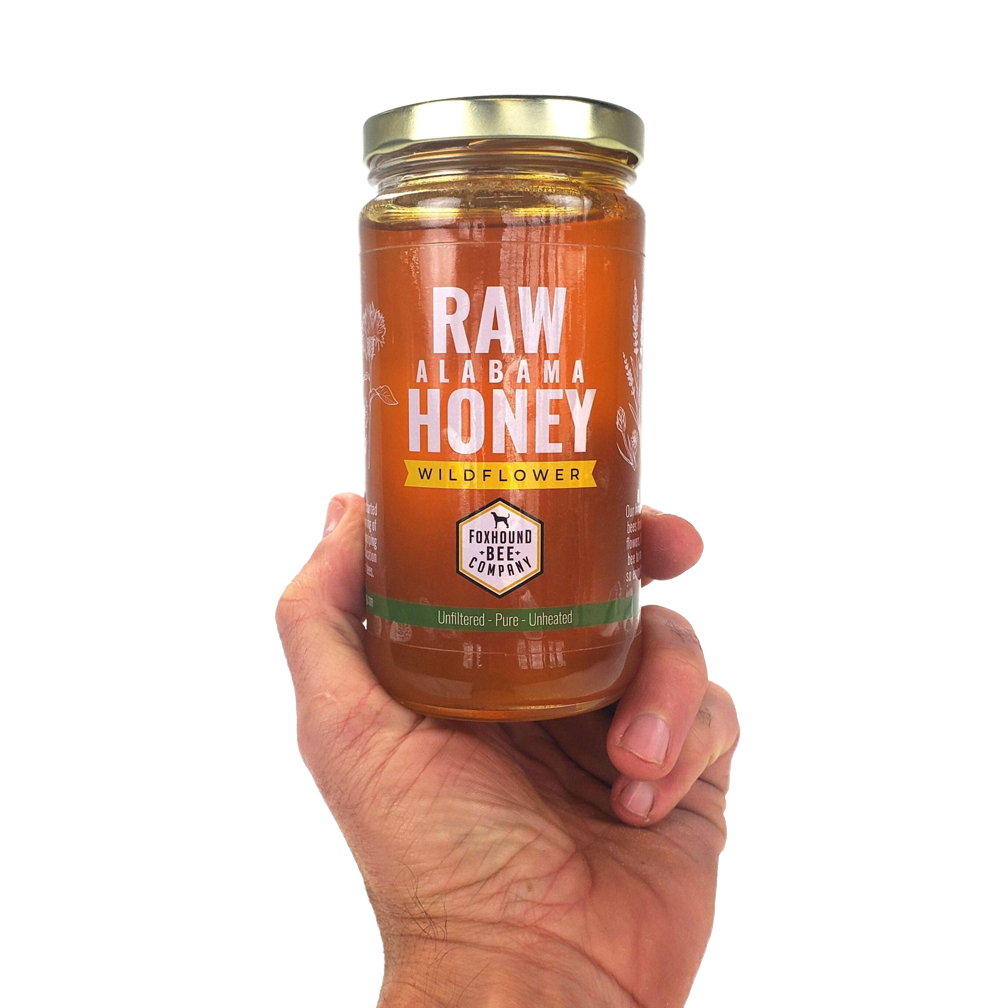
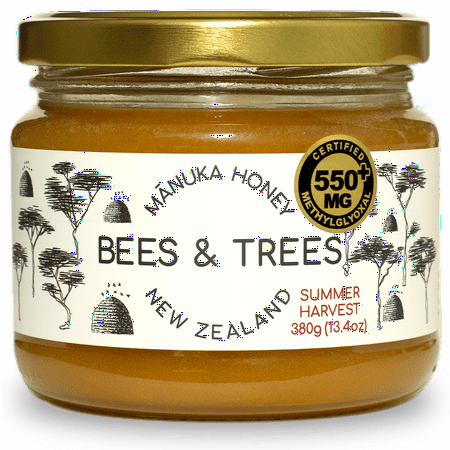
Raw honey is a minimally processed product with a clean ingredient profile, containing natural sugars and a variety of beneficial nutrients such as vitamins and minerals. Its processing level is low, and it does not contain any artificial additives or harmful ingredients, making it a healthy choice within its category.
Key ingredients 14
NiacinGood
Niacin, also known as vitamin B3, is important for converting food into energy. It supports skin health and nervous system function. Found naturally in honey, it contributes to overall nutritional value.
Benefits
Supports energy metabolism and helps maintain healthy skin and nerves.
RiboflavinGood
Riboflavin, or vitamin B2, is crucial for energy production and cellular function. It is naturally present in honey and aids in the metabolism of fats, drugs, and steroids. It also acts as an antioxidant.
Benefits
Helps convert carbohydrates into energy and supports antioxidant activity.
Pantothenic AcidGood
Pantothenic acid, or vitamin B5, is essential for synthesizing coenzyme A, which is vital for fatty acid metabolism. It is naturally found in honey and supports adrenal function and stress response.
Benefits
Supports energy metabolism and the synthesis of hormones and cholesterol.
CalciumGood
Calcium is a mineral essential for bone health and muscle function. It is naturally present in honey in small amounts, contributing to its nutritional profile. Adequate calcium intake is crucial for preventing osteoporosis.
Benefits
Supports bone density and plays a role in muscle contraction and nerve signaling.
CopperGood
Copper is a trace mineral important for iron metabolism and the formation of red blood cells. It is naturally present in honey and supports immune function and collagen synthesis.
Risks
Excessive intake can lead to toxicity, but this is unlikely from dietary sources like honey.
Benefits
Supports cardiovascular health and acts as an antioxidant.
IronGood
Iron is a crucial mineral for oxygen transport in the blood. It is naturally present in honey and supports energy production and immune function. Iron deficiency can lead to anemia.
Benefits
Essential for hemoglobin formation and oxygen transport in the body.
MagnesiumGood
Magnesium is a mineral involved in over 300 biochemical reactions in the body. It is naturally present in honey and supports muscle and nerve function, as well as bone health.
Benefits
Supports muscle relaxation, energy production, and bone health.
ManganeseGood
Manganese is a trace mineral important for bone formation and nutrient metabolism. It is naturally present in honey and acts as a cofactor for various enzymes.
Benefits
Supports bone health and antioxidant defense mechanisms.
PotassiumGood
Potassium is an essential mineral that helps maintain fluid balance and supports nerve and muscle function. It is naturally present in honey and contributes to cardiovascular health.
Benefits
Helps regulate blood pressure and supports heart health.
PhosphorusGood
Phosphorus is a mineral essential for the formation of bones and teeth. It is naturally present in honey and plays a role in energy production and cellular repair.
Benefits
Supports bone health and energy metabolism.
ZincGood
Zinc is a trace mineral important for immune function and wound healing. It is naturally present in honey and supports DNA synthesis and cell division.
Benefits
Supports immune health and acts as an antioxidant.
Ascorbic AcidGood
Ascorbic acid, or vitamin C, is an antioxidant that supports immune function and collagen synthesis. It is naturally present in honey and helps protect cells from oxidative damage.
Benefits
Enhances immune function and aids in the absorption of iron.
FructoseBad
Processed additive flagged under Scout's ingredient doctrine.
Risks
Excessive consumption may lead to liver stress and contribute to metabolic disorders.
Benefits
Provides a natural source of energy and sweetness without the need for refined sugars.
GlucoseBad
Processed additive flagged under Scout's ingredient doctrine.
Risks
High intake can cause rapid blood sugar increases and potential insulin resistance over time.
Benefits
Essential for energy production and brain function when consumed in moderation.
Processing
Processed Culinary Ingredients
Get the full breakdown in the Scout appTake Scout shopping
Scan any product to see lab results, healthy alternatives, and your personalized analysis.
Download on theApp Store GET IT ONGoogle PlayAmazon pricing & content
Amazon price as of . Product prices and availability are accurate as of the date/time indicated and are subject to change. Any price and availability information displayed on Amazon.com at the time of purchase will apply to the purchase of this product.
CERTAIN CONTENT THAT APPEARS ON THIS SITE COMES FROM AMAZON. THIS CONTENT IS PROVIDED “AS IS” AND IS SUBJECT TO CHANGE OR REMOVAL AT ANY TIME.