


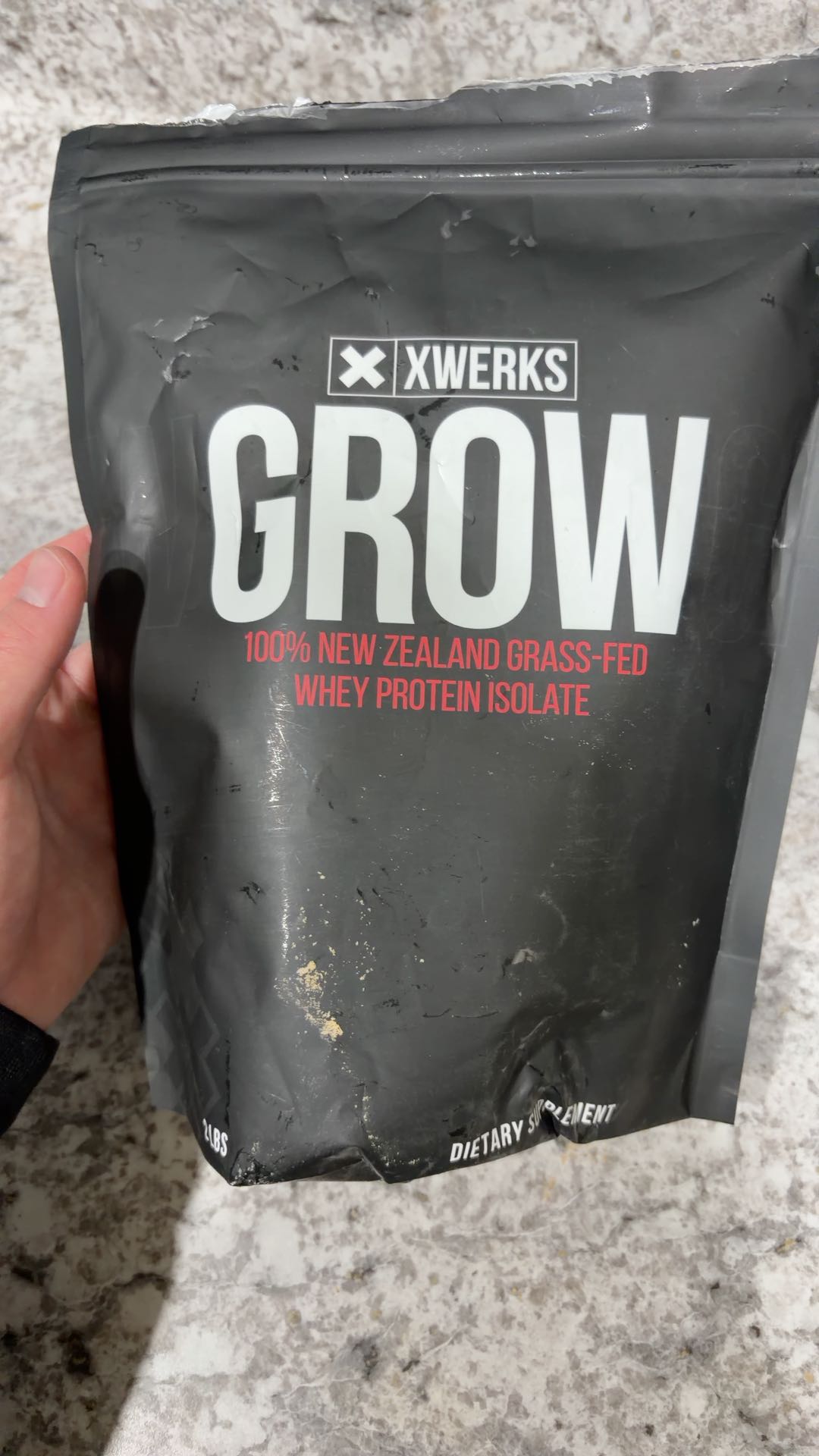
At a glance
Summary
This protein powder features high-quality whey protein concentrate and natural cocoa powder, both of which are minimally processed and provide essential nutrients. The use of natural sweeteners like stevia and monk fruit extract is a positive aspect, avoiding artificial sweeteners. The inclusion of sunflower lecithin as an emulsifier is a minor concern due to its processing, but it does not significantly detract from the overall clean formulation.
Key ingredients 6
Whey Protein ConcentrateGood
Whey protein concentrate is a high-quality animal-based protein source with a rich amino acid profile. It is minimally processed and provides essential nutrients for muscle growth and repair. Compared to plant-based proteins, it offers superior bioavailability and absorption.
Benefits
Rich in essential amino acids, it supports muscle growth and recovery.
Cocoa PowderGood
Cocoa powder is a natural ingredient that provides antioxidants and a rich flavor. It is minimally processed and can contribute to cardiovascular health. Its polyphenol content may offer additional health benefits.
Risks
Excessive consumption may lead to caffeine-related side effects.
Benefits
Contains antioxidants that may support heart health.
Sea SaltGood
Beneficial ingredient — whole-food or functional value in this product class.
Risks
Excessive sodium intake can lead to hypertension.
Benefits
Provides essential sodium for electrolyte balance.
Monk Fruit ExtractGood
Beneficial ingredient — whole-food or functional value in this product class.
Benefits
Provides sweetness without impacting blood sugar.
Stevia Leaf ExtractNeutral
Stevia leaf extract is a natural, zero-calorie sweetener. It is derived from the stevia plant and does not significantly impact blood sugar levels. It is a healthier alternative to artificial sweeteners.
Benefits
Offers a sweet taste without added calories.
Sunflower LecithinBad
Sunflower lecithin is used as an emulsifier and is derived from sunflower seeds. While it is less processed than soy lecithin, it still involves chemical extraction methods. It does not provide significant nutritional benefits.
Risks
May contain trace amounts of solvents used in extraction.
Processing
Processed Culinary Ingredients
Get the full breakdown in the Scout appTake Scout shopping
Scan any product to see lab results, healthy alternatives, and your personalized analysis.
Download on theApp Store GET IT ONGoogle Play