


At a glance
Summary
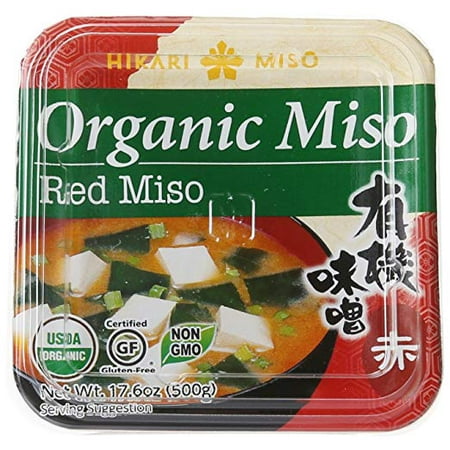
This organic red miso is made from high-quality ingredients such as organic soybeans and organic rice, which are beneficial for their nutritional content and lack of synthetic pesticides. The product is processed, but it avoids harmful additives and maintains a clean ingredient list, contributing to its favorable rating. The presence of salt is typical for miso, but the overall ingredient quality and absence of artificial substances support a strong score within its category.
Key ingredients 6
Organic soybeansGood
Organic soybeans are a good source of plant-based protein and essential amino acids. Being organic, they are free from synthetic pesticides and GMOs, which enhances their nutritional profile. They also provide isoflavones, which may have health benefits.
Risks
Soybeans can be allergenic for some individuals and may interfere with thyroid function if consumed in large amounts.
Benefits
Rich in protein and isoflavones, which may support heart health and provide antioxidant properties.
Organic riceGood
Organic rice is a source of carbohydrates and provides energy. The organic certification ensures it is grown without synthetic pesticides or fertilizers, enhancing its safety and nutritional quality. It also contributes to the fermentation process in miso.
Benefits
Provides carbohydrates for energy and supports the fermentation process, enhancing the flavor and nutritional profile of miso.
WaterNeutral
Water is a neutral ingredient used as a solvent and to adjust the consistency of the product. It does not contribute any nutritional value or health risks. Its presence is essential for the fermentation process in miso production.
See more about Water →SaltNeutral
Salt is used to enhance flavor and as a preservative in miso. It is a necessary component for the fermentation process. However, excessive consumption of salt can lead to health issues such as hypertension.
Risks
High sodium intake can contribute to hypertension and cardiovascular issues.
Benefits
Essential for flavor enhancement and preservation in fermented foods like miso.
YeastNeutral
Yeast is used in the fermentation process to develop flavor and texture in miso. It does not contribute significant nutritional value but is crucial for fermentation. The fermentation process can enhance the digestibility of the product.
Benefits
Facilitates fermentation, which can enhance the flavor and digestibility of miso.
Koji cultureNeutral
Koji culture is essential for the fermentation process in miso, breaking down starches into sugars and proteins into amino acids. It does not provide direct nutritional benefits but is crucial for developing the unique flavor of miso. The fermentation process can also enhance nutrient availability.
Benefits
Essential for fermentation, contributing to the unique flavor and potential nutrient enhancement in miso.
Processing
Processed Foods
Get the full breakdown in the Scout appTake Scout shopping
Scan any product to see lab results, healthy alternatives, and your personalized analysis.
Download on theApp Store GET IT ONGoogle Play