


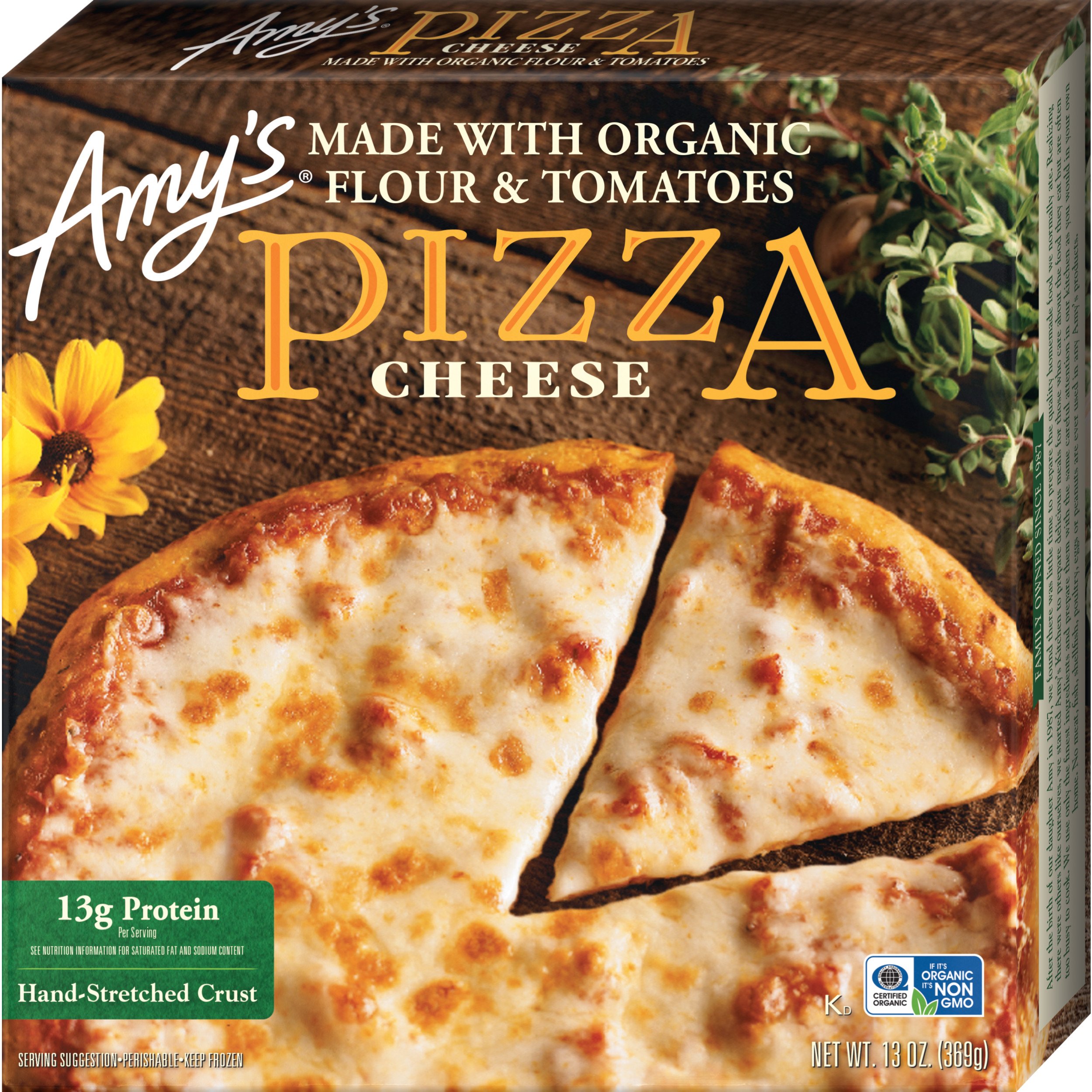


Cappello's Grain Free Cheese Pizza
Analysis updated September 2026 · How Scout scores
At a glance
Summary
This grain-free cheese pizza features a variety of high-quality ingredients such as almond flour, extra virgin olive oil, and whole milk mozzarella, which contribute to its nutritional value. However, the product is classified as ultra-processed due to its complex ingredient list and the presence of additives like citric acid and guar gum. Despite the use of beneficial ingredients, the level of processing limits its overall health score.
Key ingredients 15
Extra virgin olive oilVery Good
Extra virgin olive oil is a high-quality monounsaturated fat with anti-inflammatory properties. It contains antioxidants that support heart health. Cold-pressed extraction preserves beneficial compounds.
Benefits
Rich in monounsaturated fats that support heart health and provide anti-inflammatory properties.
EggsGood
Eggs are a high-quality source of protein and essential nutrients. They contain all nine essential amino acids and are rich in vitamins such as B12 and D. The yolk provides healthy fats and choline, important for brain health.
Risks
Eggs can be allergenic for some individuals and may contribute to cholesterol intake.
Benefits
Rich in high-quality protein and essential nutrients, supporting muscle maintenance and overall health.
Almond flourGood
Almond flour is a gluten-free alternative to wheat flour, rich in healthy fats and vitamin E. It provides a good source of fiber and protein, supporting heart health and satiety. The flour is minimally processed, retaining most of the almonds' nutrients.
Risks
May cause allergic reactions in individuals with nut allergies.
Benefits
Provides healthy fats, fiber, and protein, supporting heart health and satiety.
Organic coconut milkGood
Organic coconut milk is a plant-based milk alternative rich in medium-chain triglycerides (MCTs). It provides a creamy texture and is often used in dairy-free recipes. The organic certification ensures minimal pesticide exposure.
Risks
High in saturated fats, which should be consumed in moderation.
Benefits
Rich in MCTs, which may support energy metabolism and provide a creamy texture.
Coconut oilGood
Coconut oil is a source of medium-chain triglycerides (MCTs) that may support energy metabolism. It is often used in cooking for its stability at high temperatures. The oil is minimally processed, retaining its natural properties.
Risks
High in saturated fats, which should be consumed in moderation.
Benefits
Provides MCTs that may support energy metabolism and is stable for cooking.
Psyllium huskGood
Psyllium husk is a soluble fiber that aids in digestion and supports gut health. It can help regulate blood sugar levels and promote a feeling of fullness. The husk is minimally processed, retaining its natural fiber content.
Risks
May cause digestive discomfort if consumed in large amounts without adequate water.
Benefits
Supports digestion and gut health by providing soluble fiber.
Sea saltGood
Sea salt is a minimally processed source of sodium and trace minerals. It enhances flavor and provides essential electrolytes. The natural extraction process retains beneficial minerals.
Risks
Excessive sodium intake can lead to high blood pressure.
Benefits
Provides essential electrolytes and enhances flavor with trace minerals.
Apple cider vinegarGood
Beneficial ingredient — whole-food or functional value in this product class.
Risks
May cause tooth enamel erosion if consumed in excess.
Benefits
May support digestion and provides a tangy flavor.
HoneyGood
Traditional whole-food sweetener with trace enzymes and antioxidants.
Risks
High sugar content can contribute to increased calorie intake.
Benefits
Provides natural sweetness and contains antioxidants.
Whole milk mozzarellaGood
Whole milk mozzarella is a source of high-quality protein and calcium. It is made from pasteurized milk and provides essential nutrients for bone health. The cheese is minimally processed, retaining its natural properties.
Risks
Contains lactose, which may cause issues for lactose-intolerant individuals.
Benefits
Rich in protein and calcium, supporting bone health and muscle maintenance.
White cheddarGood
White cheddar is a source of high-quality protein and calcium, supporting bone health. It is made from pasteurized milk and cheese cultures, providing essential nutrients. The cheese is aged, enhancing its flavor and nutrient profile.
Risks
Contains lactose, which may cause issues for lactose-intolerant individuals.
Benefits
Provides protein and calcium, supporting bone health and muscle maintenance.
Arrowroot flourNeutral
Arrowroot flour is a gluten-free starch used as a thickening agent. It is easily digestible and often used in gluten-free baking. However, it offers limited nutritional benefits beyond its carbohydrate content.
Benefits
Easily digestible and suitable for gluten-free diets.
Cassava flourNeutral
Cassava flour is a gluten-free flour made from the root of the cassava plant. It is high in carbohydrates and provides a neutral flavor for baking. While it is a good alternative for gluten-free diets, it lacks significant nutritional benefits.
Risks
Excessive consumption may lead to high carbohydrate intake.
Benefits
Suitable for gluten-free diets and provides a neutral flavor for baking.
Lemon juiceNeutral
Lemon juice is a natural source of vitamin C and provides a tangy flavor. It is often used as a natural preservative and flavor enhancer. While it offers some vitamin C, its nutritional impact is minimal in small quantities.
Benefits
Provides vitamin C and enhances flavor naturally.
Pizza sauceNeutral
Pizza sauce is made from tomato puree and spices, providing flavor and some nutrients like lycopene. It is a common ingredient in pizza, offering a base for toppings. The sauce is typically low in calories but may contain added salt.
Risks
May contain added salt, contributing to sodium intake.
Benefits
Provides flavor and nutrients like lycopene from tomatoes.
Processing
Ultra-Processed Foods
Get the full breakdown in the Scout appTake Scout shopping
Scan any product to see lab results, healthy alternatives, and your personalized analysis.
Download on theApp Store GET IT ONGoogle PlayAmazon pricing & content
CERTAIN CONTENT THAT APPEARS ON THIS SITE COMES FROM AMAZON. THIS CONTENT IS PROVIDED “AS IS” AND IS SUBJECT TO CHANGE OR REMOVAL AT ANY TIME.