



At a glance
Summary
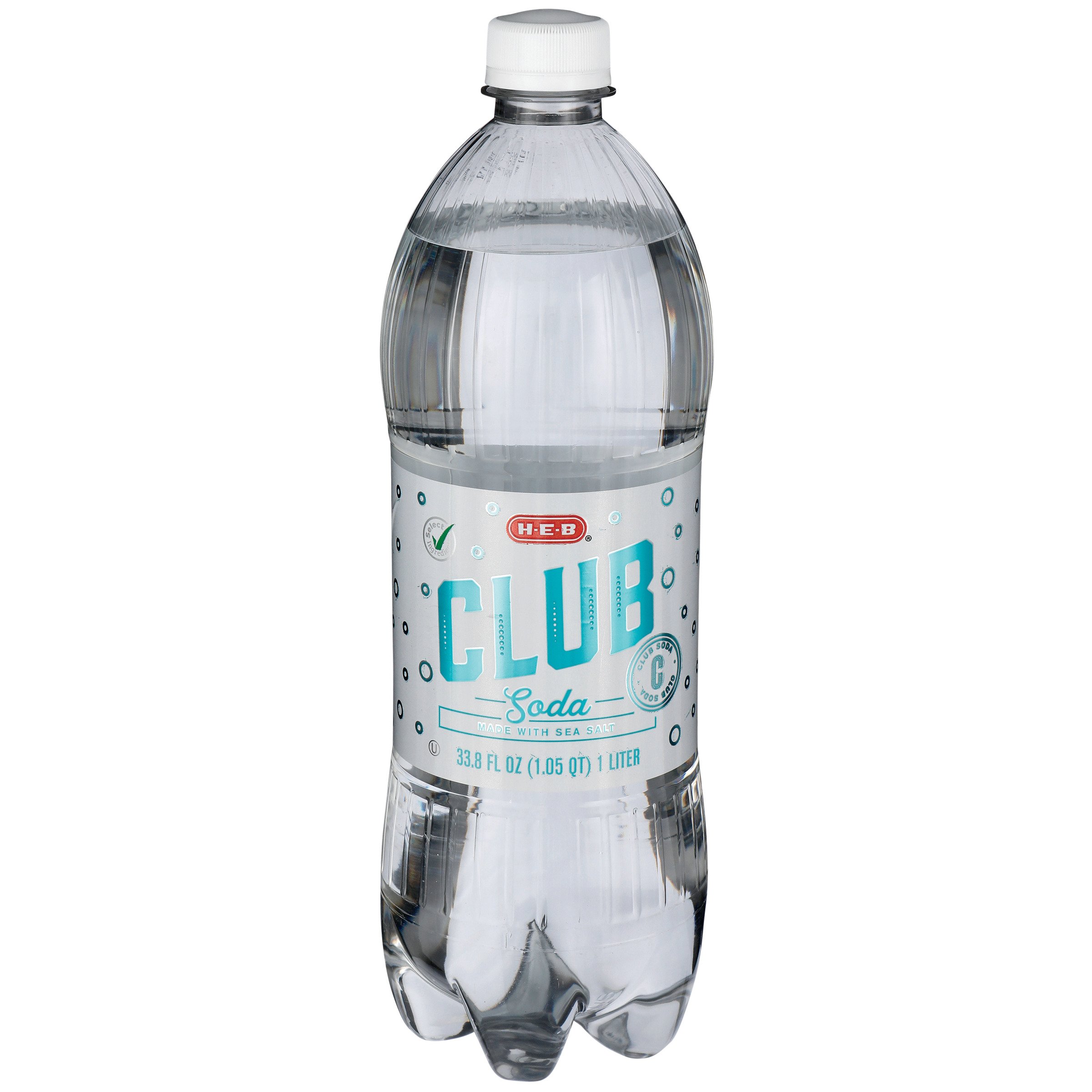
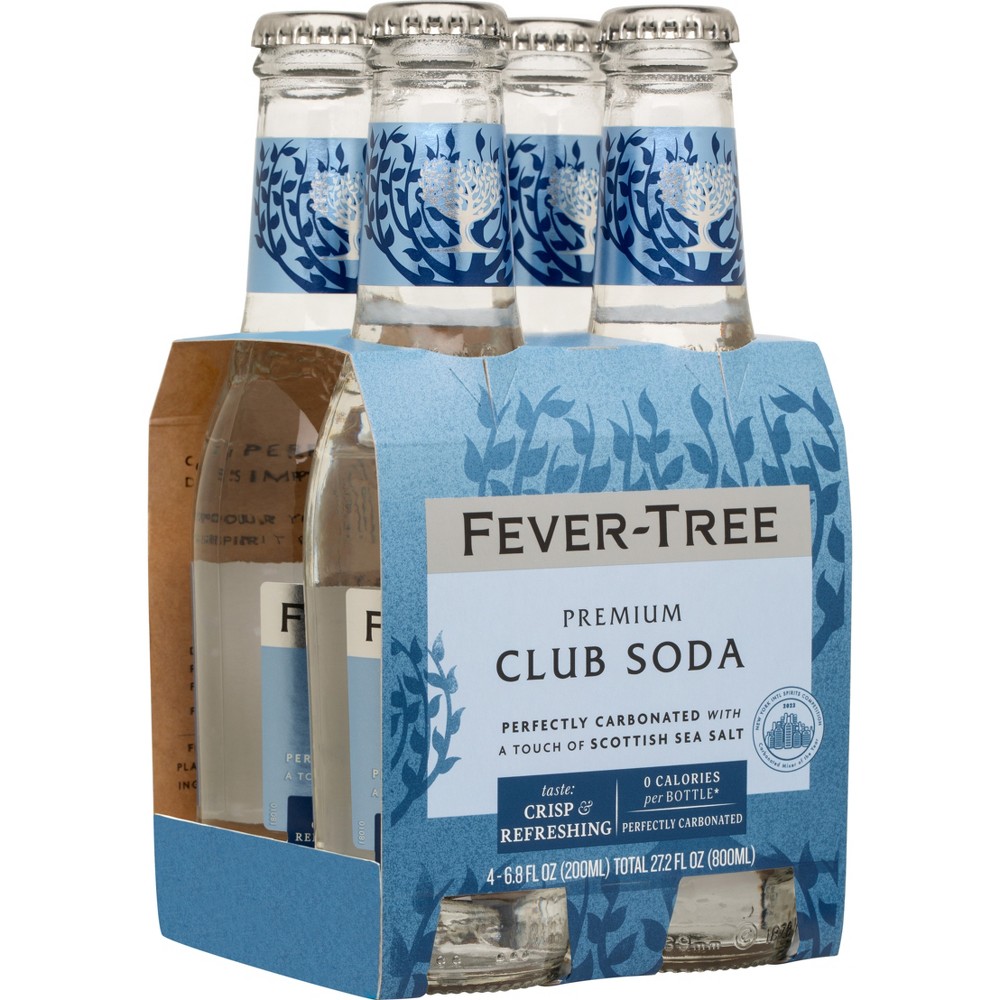
This soda contains a clean ingredient list with no artificial sweeteners, dyes, or high-fructose corn syrup, which is commendable. However, the presence of 'natural flavors' introduces some concern due to the lack of transparency and potential for processing. The use of allulose and stevia as sweeteners is a positive aspect, as they are less harmful alternatives to traditional sugars.
Key ingredients 9
Carbonated WaterNeutral
Carbonated water is simply water infused with carbon dioxide gas under pressure. It is a neutral ingredient with no significant health impacts. It serves as the base for many beverages without adding calories or sugars.
See more about Carbonated Water →AlluloseNeutral
Standard formulation ingredient — neither beneficial nor harmful at typical use.
Risks
Excessive consumption may cause digestive discomfort in some individuals.
Benefits
Provides sweetness with minimal caloric impact, making it suitable for low-calorie diets.
Citric AcidNeutral
Citric acid is a natural acid found in citrus fruits and is used as a preservative and flavor enhancer. It is generally recognized as safe and is widely used in the food industry. It helps to maintain the stability and flavor of the beverage.
Risks
Excessive consumption may lead to dental erosion due to its acidic nature.
Benefits
Acts as a preservative and enhances flavor without adding calories.
Sodium CitrateNeutral
Sodium citrate is a salt of citric acid used as an acidity regulator and emulsifier in foods and beverages. It is generally recognized as safe and helps to maintain the pH balance of the product. It is commonly used in processed foods without significant health impacts.
Benefits
Helps stabilize the beverage and maintain its flavor profile.
Potassium CitrateNeutral
Potassium citrate is used to regulate acidity and as a potassium supplement in foods. It is generally safe and helps maintain the pH balance of the beverage. It can also contribute to the dietary intake of potassium, an essential mineral.
Risks
Excessive intake may lead to hyperkalemia, especially in individuals with kidney issues.
Benefits
Provides a source of potassium, which is important for maintaining electrolyte balance.
Stevia SweetenerNeutral
Stevia sweetener is a natural, zero-calorie sweetener derived from the leaves of the Stevia plant. It is considered neutral as it does not significantly impact blood sugar levels. It is often used as a sugar substitute in low-calorie products.
Benefits
Provides sweetness without calories, making it suitable for low-calorie diets.
Calcium LactateNeutral
Calcium lactate is a calcium salt used as a food additive to enhance calcium content. It is generally recognized as safe and can contribute to dietary calcium intake. It is often used in fortified foods and beverages.
Benefits
Provides a source of calcium, which is essential for bone health.
Magnesium MalateNeutral
Magnesium malate is a compound of magnesium and malic acid used as a supplement and food additive. It is generally safe and can contribute to dietary magnesium intake. It is often used in fortified foods and beverages.
Benefits
Provides a source of magnesium, which is important for muscle and nerve function.
Natural FlavorsBad
Natural flavors are derived from natural sources but can be highly processed and contain additives. They are often used to enhance taste but lack transparency regarding their composition. The term 'natural' can be misleading as it does not guarantee the absence of artificial processing.
Risks
Potential allergens and undisclosed additives may pose health risks to sensitive individuals.
Processing
Processed Foods
Get the full breakdown in the Scout appTake Scout shopping
Scan any product to see lab results, healthy alternatives, and your personalized analysis.
Download on theApp Store GET IT ONGoogle Play