



At a glance
Summary
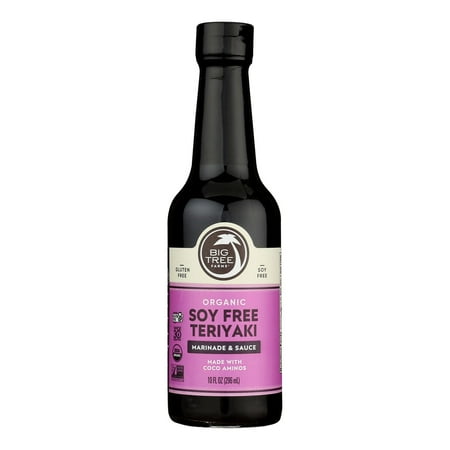
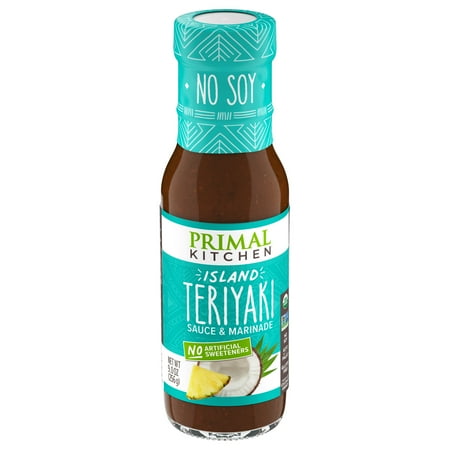
This teriyaki marinade is a processed product with a moderate level of processing. It contains refined sugar, which contributes to its high calorie content and can lead to health issues like obesity and diabetes when consumed in excess. While it does not contain seed oils or artificial additives, the presence of sugar and the overall processing level limit its healthiness.
Key ingredients 9
Garlic powderGood
Concentrated whole-food seasoning.
Benefits
Provides garlic flavor and some health benefits, such as allicin, though in reduced amounts compared to fresh garlic.
Soy sauceNeutral
Soy sauce is a fermented condiment made from soybeans, wheat, water, and salt. It provides umami flavor but is high in sodium, which can be a concern for those monitoring salt intake. The fermentation process can offer some probiotic benefits, though these are minimal in the final product.
Risks
High sodium content can contribute to hypertension if consumed in excess.
Benefits
Adds umami flavor to dishes and may contain minimal probiotic benefits due to fermentation.
WineNeutral
Wine is used in cooking for its flavor and acidity, which can enhance the taste of dishes. It contains sulfites, which can cause allergic reactions in sensitive individuals. The alcohol content is typically cooked off, leaving behind flavor compounds.
Risks
Contains sulfites, which may cause allergic reactions in sensitive individuals.
Benefits
Enhances flavor and acidity in cooking, contributing to the overall taste profile of the marinade.
WaterNeutral
Water is a neutral ingredient used as a solvent and to adjust the consistency of the marinade. It does not contribute any calories or nutrients. Its primary role is functional, aiding in the mixing and application of the marinade.
See more about Water →Distilled vinegarNeutral
Distilled vinegar is used for its acidity and preservative properties. It is made through the fermentation of ethanol and is a common ingredient in condiments. It can enhance flavor and act as a natural preservative.
Benefits
Acts as a natural preservative and enhances flavor with its acidity.
SaltNeutral
Salt is used to enhance flavor and preserve food. It is a common seasoning but can contribute to high sodium intake if consumed excessively. It is essential for bodily functions but should be consumed in moderation.
Risks
High sodium intake can lead to hypertension and cardiovascular issues.
Benefits
Essential for bodily functions and enhances flavor in foods.
Spice extractsNeutral
Spice extracts are used to add flavor and aroma to the marinade. They are concentrated forms of spices and can enhance the sensory profile of foods. The specific spices used are not detailed, which limits the analysis of their individual benefits or risks.
Benefits
Enhances flavor and aroma, contributing to the overall sensory experience of the marinade.
Onion powderNeutral
Onion powder is a dehydrated form of onion used for flavoring. It retains some of the nutritional benefits of fresh onions, such as antioxidants, but in reduced amounts. It is a convenient way to add onion flavor without the moisture of fresh onions.
Benefits
Provides onion flavor and some antioxidants, though in reduced amounts compared to fresh onions.
SugarBad
Refined sugar is used to add sweetness but offers no nutritional benefits and can contribute to various health issues. Excessive consumption is linked to obesity, diabetes, and heart disease. It is a high-calorie ingredient with no essential nutrients.
Risks
Excessive intake can lead to obesity, diabetes, and other metabolic disorders.
Processing
Processed Foods
Get the full breakdown in the Scout appTake Scout shopping
Scan any product to see lab results, healthy alternatives, and your personalized analysis.
Download on theApp Store GET IT ONGoogle Play