


At a glance
Summary
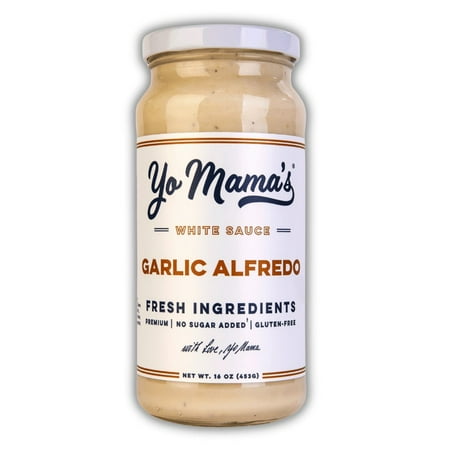
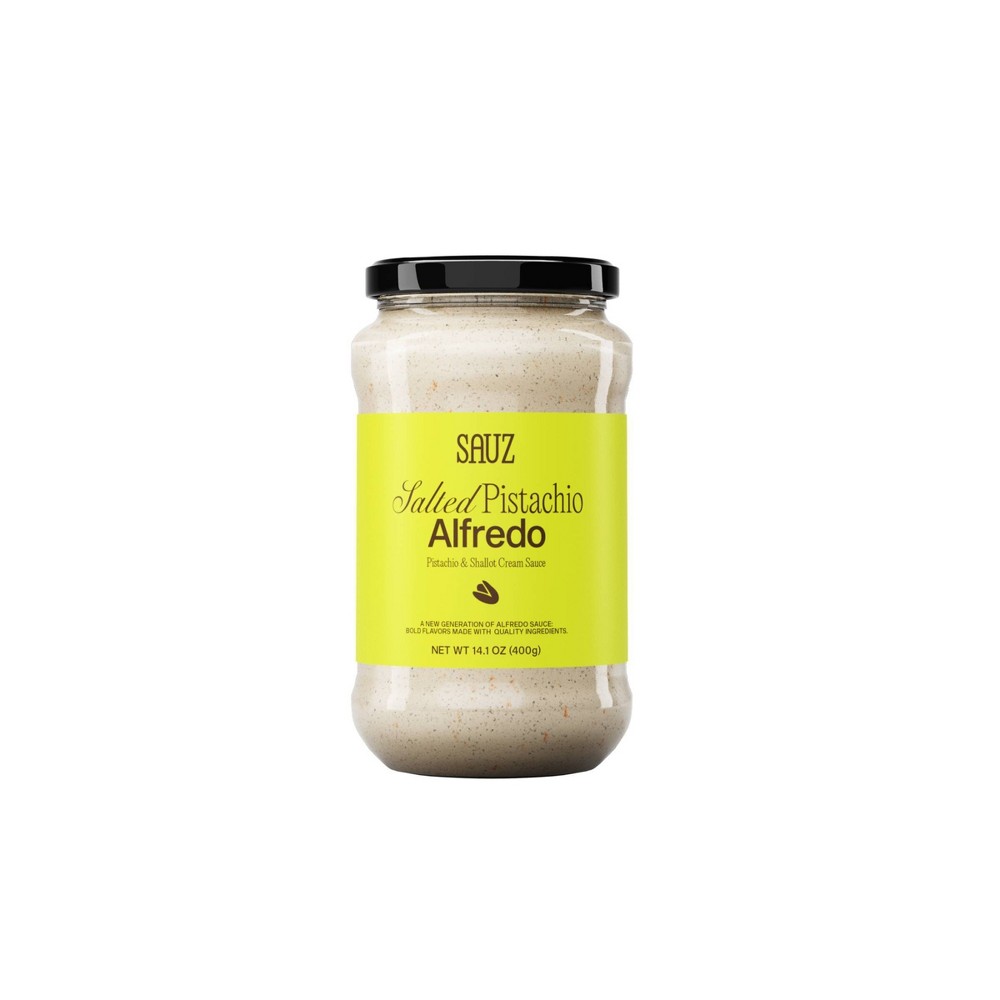
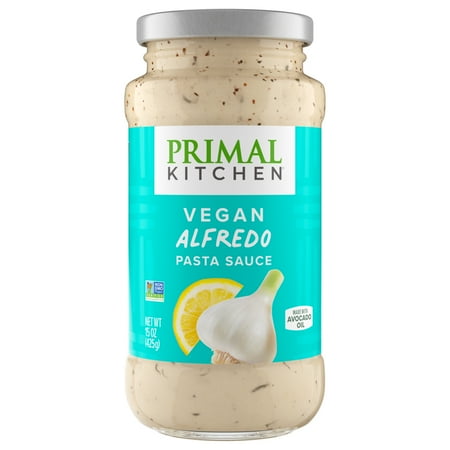
This Alfredo sauce contains beneficial ingredients like cream, parmesan cheese, and butter, which provide high-quality fats and nutrients. However, it is classified as ultra-processed due to the presence of additives like disodium phosphate and xanthan gum, which are used for stabilization and texture. The processing level and inclusion of these additives limit its health score despite the presence of some nutritious components.
Key ingredients 15
CreamGood
Cream is a source of high-quality fats and provides a rich texture to foods. It is minimally processed and can be a good source of fat-soluble vitamins. When sourced from grass-fed cows, it may contain higher levels of omega-3 fatty acids.
Risks
High in saturated fats, which may contribute to heart disease if consumed in excess.
Benefits
Provides a rich source of fat-soluble vitamins and can enhance the flavor and texture of dishes.
Parmesan cheeseGood
Parmesan cheese is a hard cheese rich in protein and calcium. It is aged, which enhances its flavor and digestibility. The aging process also reduces lactose content, making it suitable for some lactose-intolerant individuals.
Risks
High in sodium, which can contribute to hypertension if consumed in large amounts.
Benefits
Rich in calcium and protein, supporting bone health and muscle maintenance.
ButterGood
Butter is a natural source of fat that provides flavor and texture to foods. It contains fat-soluble vitamins like A, D, E, and K. When sourced from grass-fed cows, it may have higher levels of beneficial fatty acids.
Risks
Contains saturated fats, which may increase cholesterol levels if consumed excessively.
Benefits
Provides essential fat-soluble vitamins and enhances the flavor of dishes.
Black pepperGood
Beneficial ingredient — whole-food or functional value in this product class.
Benefits
May enhance the bioavailability of nutrients and provides antioxidant properties.
White pepperGood
Beneficial ingredient — whole-food or functional value in this product class.
Benefits
Provides flavor and may offer antioxidant benefits.
MilkGood
Whole dairy ingredient.
Risks
May cause digestive issues for those with lactose intolerance.
Benefits
Rich in calcium and protein, supporting bone health and muscle maintenance.
Cheese cultureGood
Beneficial ingredient — whole-food or functional value in this product class.
Benefits
Essential for cheese production, contributing to flavor and texture.
Modified corn starchNeutral
Modified corn starch is used as a thickening agent in foods. It is processed to improve its stability and texture in various applications. While it is not inherently harmful, it provides no significant nutritional benefits.
Risks
May cause digestive issues in some individuals if consumed in large quantities.
Xanthan gumNeutral
Xanthan gum is a polysaccharide used as a thickening and stabilizing agent in foods. It is produced through fermentation and is generally recognized as safe. While it provides no nutritional benefits, it improves texture and consistency in food products.
Risks
May cause digestive discomfort in sensitive individuals when consumed in large amounts.
SaltNeutral
Salt is used to enhance flavor and preserve foods. It is a natural source of sodium, which is essential for fluid balance and nerve function. However, excessive intake can lead to hypertension and cardiovascular issues.
Risks
High sodium intake is associated with increased risk of hypertension and cardiovascular diseases.
Benefits
Essential for maintaining fluid balance and nerve function in the body.
Romano cheeseNeutral
Romano cheese is a hard cheese similar to Parmesan, offering protein and calcium. It is aged, which enhances flavor and reduces lactose content. While nutritious, it is high in sodium.
Risks
High sodium content can contribute to hypertension if consumed in excess.
Benefits
Provides protein and calcium, supporting bone health and muscle maintenance.
EnzymesNeutral
Enzymes are used in cheese production to aid in the fermentation process. They are natural and help in breaking down milk proteins. While essential for cheese making, they provide no direct nutritional benefits.
Benefits
Essential for cheese production, aiding in fermentation and flavor development.
Modified egg yolkNeutral
Modified egg yolk is used as an emulsifier in food products. It is processed to improve stability and texture in sauces. While it aids in emulsification, it provides no significant nutritional benefits.
Risks
May cause allergic reactions in individuals sensitive to eggs.
WaterNeutral
Water is used as a solvent and to adjust the consistency of food products. It is essential for hydration and has no caloric content. While crucial for life, it provides no direct nutritional benefits in this context.
Benefits
Essential for hydration and adjusting food consistency.
Disodium phosphateBad
Disodium phosphate is an additive used to stabilize and emulsify foods. It is a processed ingredient that can contribute to the phosphorus load in the diet. Excessive phosphorus intake may affect bone health and kidney function.
Risks
High phosphorus intake can lead to imbalances in calcium and phosphorus levels, potentially affecting bone health.
Processing
Ultra-Processed Foods
Get the full breakdown in the Scout appTake Scout shopping
Scan any product to see lab results, healthy alternatives, and your personalized analysis.
Download on theApp Store GET IT ONGoogle Play