
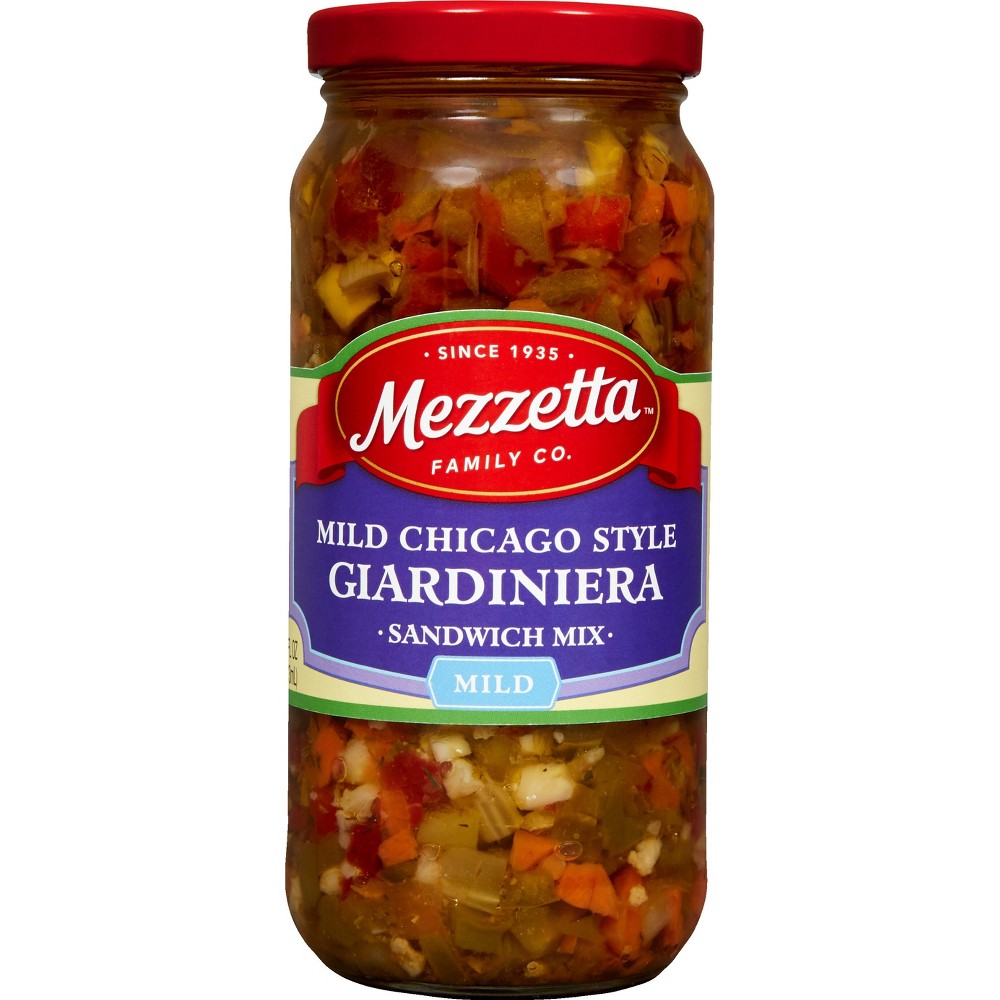



CHICAGO-STYLE ITALIAN SANDWICH MIX MILD GIARDINIERA
Analysis updated August 2026 · How Scout scores
At a glance
Summary
This product contains a mix of vegetables and extra virgin olive oil, which are beneficial for health due to their vitamins and healthy fats. However, the presence of canola oil, a highly processed seed oil, and sodium bisulfite, a preservative, detracts from its overall healthiness. The processing level of the product further limits its score, despite the inclusion of some high-quality ingredients.
Key ingredients 13
Extra virgin olive oilVery Good
Extra virgin olive oil is a high-quality monounsaturated fat with anti-inflammatory properties. It contains antioxidants that support heart health and is extracted through cold-pressing, preserving beneficial compounds. Its rich flavor enhances culinary dishes.
Benefits
Rich in monounsaturated fats that support heart health and provide anti-inflammatory properties. Contains antioxidants like vitamin E and polyphenols that may reduce oxidative stress.
Green bell peppersGood
Green bell peppers are a low-calorie vegetable rich in vitamins and antioxidants. They provide vitamin C and other phytonutrients that support immune health. Their natural sweetness and crunch add flavor and texture to dishes.
Benefits
Rich in vitamin C and antioxidants, supporting immune function and reducing oxidative stress.
CeleryGood
Celery is a low-calorie vegetable that provides dietary fiber and essential nutrients. It contains antioxidants and anti-inflammatory compounds that may support overall health. Its high water content aids in hydration and digestion.
Benefits
Provides dietary fiber and antioxidants, supporting digestive health and reducing inflammation.
CarrotsGood
Carrots are a nutrient-dense vegetable rich in beta-carotene, which the body converts to vitamin A. They support eye health and provide antioxidants that may reduce the risk of chronic diseases. Their natural sweetness and crunch make them a versatile ingredient.
Benefits
Rich in beta-carotene and antioxidants, supporting eye health and reducing the risk of chronic diseases.
CauliflowerGood
Cauliflower is a cruciferous vegetable high in fiber and vitamins C and K. It contains compounds that may have cancer-protective properties. Its versatility allows it to be used in various culinary applications.
Benefits
High in fiber and vitamins, supporting digestive health and providing potential cancer-protective benefits.
Red bell peppersGood
Red bell peppers are rich in vitamins A and C, providing antioxidants that support immune health. They add vibrant color and sweetness to dishes. Their high nutrient content makes them a beneficial addition to a balanced diet.
Benefits
Rich in vitamins A and C, supporting immune function and providing antioxidants.
OlivesGood
Olives are a source of healthy monounsaturated fats and antioxidants. They provide oleic acid, which supports heart health, and contain polyphenols that may reduce inflammation. Their distinct flavor enhances Mediterranean dishes.
Benefits
Rich in monounsaturated fats and antioxidants, supporting heart health and reducing inflammation.
Sea saltGood
Sea salt is a minimally processed source of sodium and trace minerals. It enhances flavor and provides essential electrolytes. Unlike refined table salt, it retains natural minerals that may offer health benefits.
Risks
Excessive consumption can contribute to high blood pressure and cardiovascular issues.
Benefits
Provides essential electrolytes and trace minerals, supporting hydration and nerve function.
SpicesGood
Whole-food seasonings, antioxidant-bearing.
Benefits
May provide antioxidants and enhance flavor, but specific benefits depend on the spices used.
White wine vinegarNeutral
White wine vinegar is used as a flavoring agent and preservative. It is made through the fermentation of white wine, resulting in a tangy, acidic liquid. While it adds flavor, it does not provide significant nutritional benefits.
Benefits
Adds flavor and acts as a preservative, but provides no significant nutritional benefits.
Calcium chlorideNeutral
Calcium chloride is used as a firming agent in food processing. It helps maintain texture and stability in preserved foods. While it is safe for consumption, it does not provide significant nutritional benefits.
Benefits
Helps maintain texture and stability in preserved foods, but provides no significant nutritional benefits.
Sodium bisulfiteBad
Sodium bisulfite is used as a preservative and color stabilizer in foods. It can cause allergic reactions in sensitive individuals, particularly those with asthma. Its use is regulated due to potential health concerns.
Risks
May cause allergic reactions and respiratory issues in sensitive individuals.
Benefits
Helps preserve color and extend shelf life, but offers no nutritional benefits.
Canola oilVery Bad
Canola oil is a seed oil high in omega-6 fatty acids, which can promote inflammation when consumed in excess. It is often highly processed and refined, which may reduce its nutritional quality. The extraction process typically involves heat and chemicals, which can degrade beneficial compounds.
Risks
High omega-6 content may promote inflammation and is associated with an increased risk of chronic diseases when consumed in large amounts.
Processing
Processed Foods
Get the full breakdown in the Scout appTake Scout shopping
Scan any product to see lab results, healthy alternatives, and your personalized analysis.
Download on theApp Store GET IT ONGoogle Play