



TROPICAL FRUIT SALAD IN LIGHT SYRUP
Analysis updated August 2026 · How Scout scores
At a glance
Summary
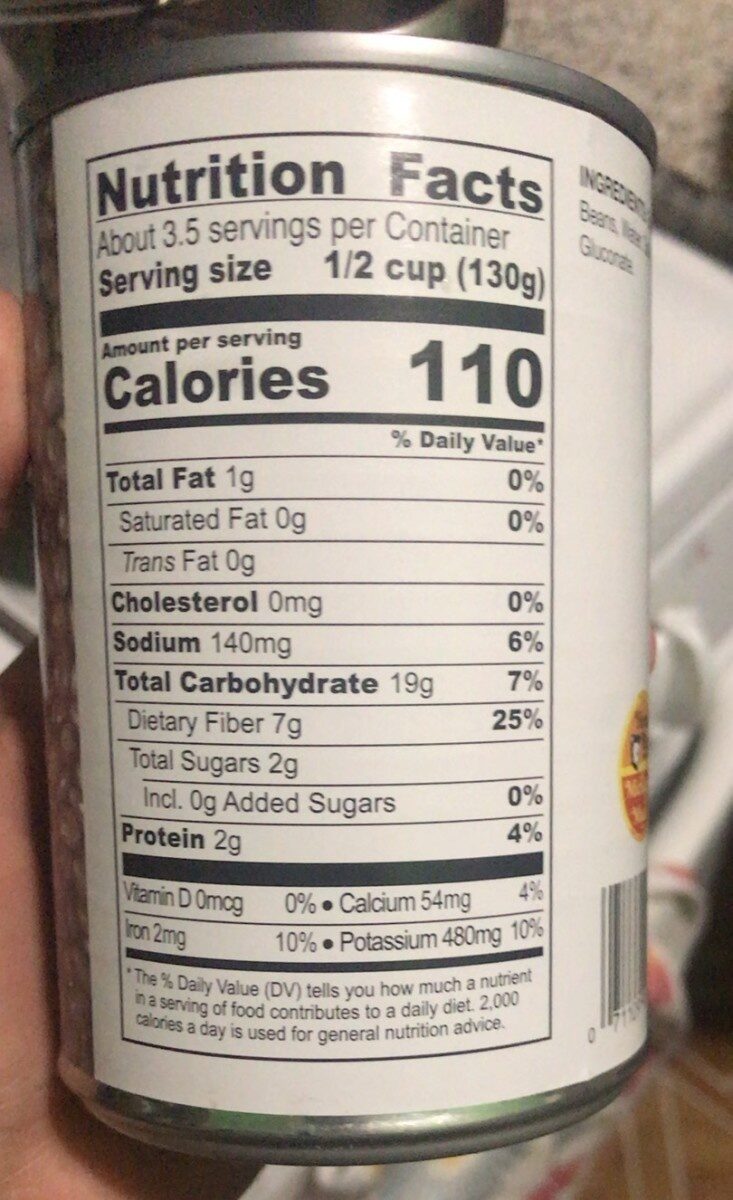
This product contains a mix of minimally processed tropical fruits, which are rich in vitamins and antioxidants. However, the addition of refined sugar increases the overall sugar content, which can contribute to health issues if consumed in excess. The product's processing level limits its score, despite the presence of beneficial ingredients.
Key ingredients 7
PineappleGood
Pineapple is a nutrient-rich fruit that provides vitamins, minerals, and antioxidants. It is naturally sweet and contains bromelain, an enzyme that may aid digestion. The fruit is minimally processed in this product, retaining most of its nutritional benefits.
Benefits
Rich in vitamin C and manganese, supporting immune function and bone health. Contains bromelain, which may aid in digestion and reduce inflammation.
Red PapayaGood
Red papaya is a tropical fruit known for its high vitamin C and antioxidant content. It is naturally sweet and provides dietary fiber. The processing in this product is minimal, preserving its nutritional value.
Benefits
High in vitamin C and antioxidants, which support immune health and may reduce oxidative stress. Provides dietary fiber, which aids in digestion.
Yellow PapayaGood
Yellow papaya is similar to red papaya, offering a rich source of vitamins and antioxidants. It is naturally sweet and provides dietary fiber. The fruit is minimally processed, maintaining its health benefits.
Benefits
Contains vitamins A and C, supporting vision and immune health. Provides antioxidants and fiber, promoting digestive health.
GuavaGood
Guava is a tropical fruit rich in vitamin C, fiber, and antioxidants. It is naturally sweet and provides essential nutrients. The processing in this product is minimal, retaining its health benefits.
Benefits
High in vitamin C and dietary fiber, supporting immune function and digestive health. Contains antioxidants that may protect against oxidative stress.
WaterNeutral
Water is used as a base in many food products and is essential for hydration. It does not contribute any calories or nutrients. In this product, it serves as a medium for the syrup.
Benefits
Essential for hydration and does not add calories or sugars to the product.
Citric AcidNeutral
Citric acid is a natural preservative and flavor enhancer commonly used in food products. It helps maintain the acidity and freshness of the product. It is generally recognized as safe when used in moderation.
Risks
Excessive consumption may cause tooth enamel erosion or gastrointestinal discomfort in sensitive individuals.
Benefits
Helps preserve the product and enhances flavor without adding calories or sugars.
SugarBad
Refined sugar is added to enhance sweetness but provides empty calories with no nutritional benefits. Excessive consumption can lead to health issues such as obesity and diabetes. In this product, it increases the sugar content significantly.
Risks
High intake of refined sugar can contribute to obesity, type 2 diabetes, and dental cavities.
Processing
Processed Foods
Get the full breakdown in the Scout appTake Scout shopping
Scan any product to see lab results, healthy alternatives, and your personalized analysis.
Download on theApp Store GET IT ONGoogle Play