



At a glance
Summary
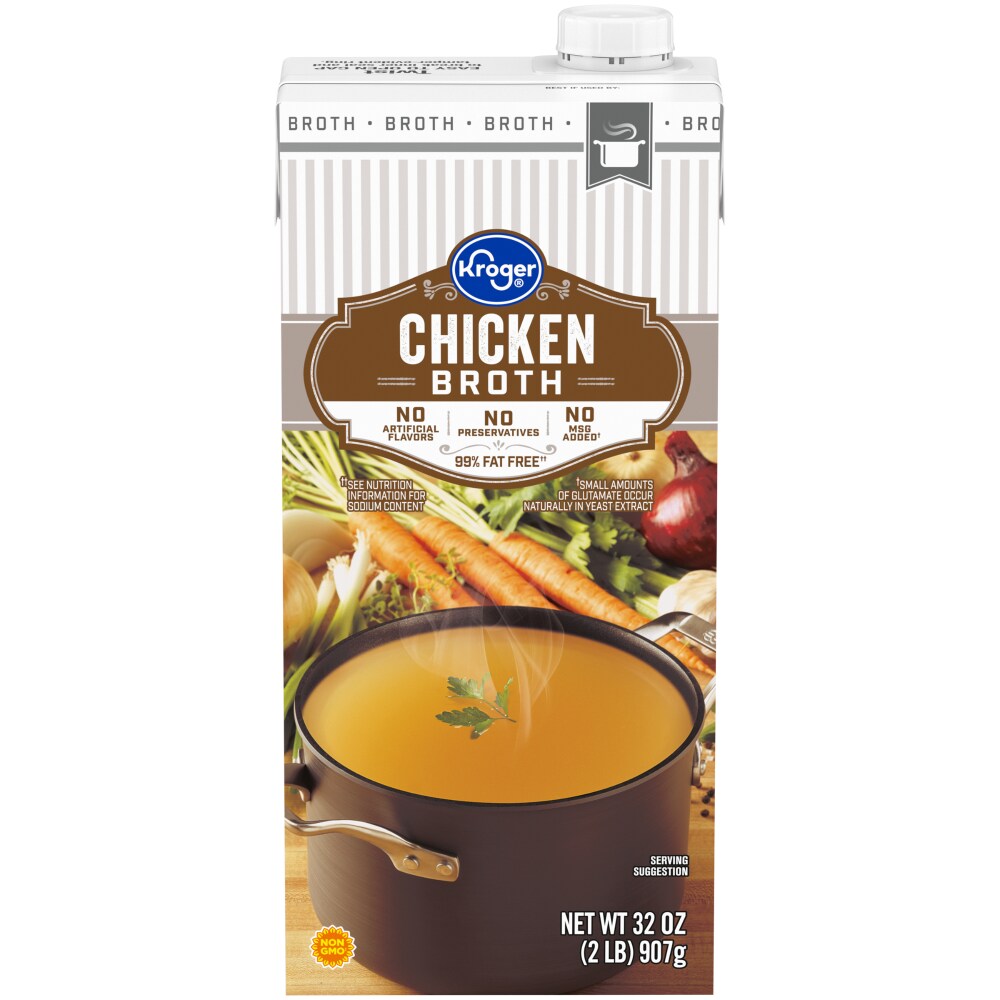
This chicken broth contains beneficial ingredients like chicken stock and sea salt, which provide essential nutrients and trace minerals. However, the presence of sugar and natural flavoring, along with its processed nature, detracts from its overall healthiness. The product's processing level limits its score, despite having some redeeming qualities.
Key ingredients 10
Chicken StockGood
Chicken stock is a flavorful base made from simmering chicken bones and vegetables. It provides essential nutrients like collagen and amino acids. The quality of the stock depends on the ingredients used and the cooking process.
Benefits
Rich in collagen and amino acids, which support joint health and digestion.
Sea SaltGood
Sea salt is a minimally processed salt that retains trace minerals. It is often considered a healthier alternative to refined table salt. The presence of trace minerals can provide additional health benefits.
Risks
Excessive consumption can lead to high blood pressure and other cardiovascular issues.
Benefits
Provides essential sodium and trace minerals that support electrolyte balance.
Dehydrated OnionGood
Beneficial ingredient — whole-food or functional value in this product class.
Benefits
Provides flavor and some antioxidants similar to fresh onions.
SaltNeutral
Salt is a common seasoning used to enhance flavor. It is a refined form of sodium chloride. While necessary for bodily functions, it should be consumed in moderation.
Risks
Excessive intake can contribute to hypertension and cardiovascular diseases.
Benefits
Essential for maintaining fluid balance and nerve function.
Natural FlavoringNeutral
Natural flavoring is used to enhance the taste of food products. It is derived from natural sources but can be highly processed. The exact composition is often proprietary and not disclosed.
Risks
Potential allergens or sensitivities may be present, though generally considered safe.
Benefits
Enhances flavor without adding calories or significant nutrients.
Chicken FatNeutral
Chicken fat is used for flavor and as a source of energy. It contains saturated and unsaturated fats. The quality depends on the chicken's diet and processing methods.
Risks
High intake of saturated fats can contribute to cardiovascular disease.
Benefits
Provides flavor and energy, with some essential fatty acids.
Carrot Juice ConcentrateNeutral
Carrot juice concentrate is used for flavor and color. It retains some nutrients like beta-carotene. The concentration process removes water, intensifying flavor and nutrients.
Benefits
Provides beta-carotene, which is converted to vitamin A in the body.
CeleryNeutral
Celery is a vegetable used for flavor and nutritional benefits. It is low in calories and contains vitamins and minerals. Fresh celery provides fiber and antioxidants.
Benefits
Offers vitamins, minerals, and antioxidants with low caloric content.
SugarBad
Sugar is a refined carbohydrate that provides quick energy. However, it lacks essential nutrients and can contribute to various health issues. Its consumption should be limited to avoid negative health impacts.
Risks
High intake is linked to obesity, type 2 diabetes, and dental cavities.
Benefits
Provides quick energy but lacks nutritional benefits.
Yeast ExtractBad
Concentrated glutamate source — MSG-adjacent flavor enhancer.
Risks
May contain naturally occurring glutamates, which some individuals are sensitive to.
Benefits
Provides B vitamins and enhances flavor without added sodium.
Processing
Processed Foods
Get the full breakdown in the Scout appTake Scout shopping
Scan any product to see lab results, healthy alternatives, and your personalized analysis.
Download on theApp Store GET IT ONGoogle Play