
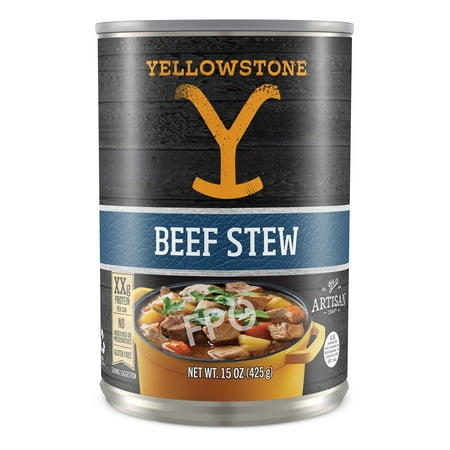



Yellowstone Beef Stew with Potatos & Carrots 15 oz. Can Shelf-Stable
Analysis updated July 2026 · How Scout scores
At a glance
Summary
This beef stew contains beneficial ingredients like cooked beef, potatoes, and carrots, which provide essential nutrients and protein. However, the presence of sodium phosphate as a preservative and the use of modified food starch indicate a moderate level of processing. While the product has some redeeming qualities, the processing level and use of additives limit its overall healthiness.
Key ingredients 10
Cooked BeefGood
Cooked beef is a good source of high-quality protein and essential nutrients like iron and B vitamins. It provides a rich amino acid profile beneficial for muscle maintenance and energy. The cooking process enhances flavor and digestibility.
Risks
Excessive consumption of red meat may be linked to certain health risks, such as increased cholesterol levels.
Benefits
Rich in protein and essential nutrients, supporting muscle growth and overall health.
BeefGood
Beef is a high-quality source of protein and essential nutrients, including iron and zinc. It supports muscle growth and maintenance due to its complete amino acid profile. Grass-fed beef is preferred for higher omega-3 content.
Risks
Overconsumption of red meat can be associated with health risks such as heart disease.
Benefits
Provides essential nutrients and high-quality protein, beneficial for muscle health and energy.
RosemaryGood
Rosemary is an herb known for its antioxidant properties and ability to enhance flavor. It contains compounds that may support cognitive health and reduce inflammation. Its natural oils can also act as a preservative.
Benefits
Contains antioxidants that may support cognitive health and reduce inflammation.
PotatoesGood
Potatoes are a good source of carbohydrates, fiber, and essential vitamins like vitamin C and B6. They provide energy and support digestive health. When cooked, they offer a comforting texture and flavor.
Risks
High glycemic index may affect blood sugar levels if consumed in large quantities.
Benefits
Rich in carbohydrates and fiber, supporting energy levels and digestive health.
CarrotsGood
Carrots are rich in beta-carotene, fiber, and antioxidants, supporting eye health and immune function. They provide a natural sweetness and vibrant color to dishes. Cooking enhances their nutrient availability.
Benefits
High in beta-carotene and antioxidants, promoting eye health and immune function.
WaterNeutral
Water is a neutral ingredient used as a base in many food products. It provides no nutritional value but is essential for hydration. In this product, it serves as a medium for cooking and mixing other ingredients.
See more about Water →SaltNeutral
Salt is used to enhance flavor and preserve food. It is a source of sodium, which is essential for fluid balance and nerve function. However, excessive intake can lead to health issues like hypertension.
Risks
High sodium intake can increase the risk of hypertension and cardiovascular diseases.
Benefits
Essential for maintaining fluid balance and nerve function in the body.
Corn FlourNeutral
Corn flour is used as a thickening agent and provides carbohydrates. It is gluten-free and suitable for those with gluten sensitivities. It offers minimal nutritional benefits beyond energy provision.
Benefits
Provides carbohydrates for energy, suitable for gluten-free diets.
Modified Food StarchBad
Chemically modified starch additive.
See more about Modified Food Starch →Sodium PhosphateBad
Sodium phosphate is used as a preservative and emulsifier in processed foods. It can contribute to an imbalance in phosphate levels if consumed in excess. It is often used to enhance texture and shelf life.
Risks
Excessive consumption may lead to an imbalance in phosphate levels, affecting kidney function.
Processing
Processed Foods
Get the full breakdown in the Scout appTake Scout shopping
Scan any product to see lab results, healthy alternatives, and your personalized analysis.
Download on theApp Store GET IT ONGoogle Play